from the Walter Cronkite School of Journalism at Arizona State University. AMNA NAWAZ President Biden announced a series of major tariffs today on several Chinese imports. The world's two largest economic superpowers are colliding over the future of electric vehicles and other industrial sectors. It comes just about six months before the election, as both President Biden and former President Trump are both in the White House. They're battling to sell voters on their visions for the economy, manufacturing, and jobs. Lisa Desjardins begins our coverage with this report. LISA DESJARDINS, Former President of the United States of America, After reviewing former President Trump's tariffs on Chinese imports, President Biden is adding to them. DONALD TRUMP, President of the United States of America, I want fair competition with China, not conflict. And we're in a stronger position to win that economic competition in the 21st century against China than anyone else, because we're investing in America again, in American workers. LISA DESJARDINS, Former President of the United States of America, He's targeting Chinese manufacturing, especially green tech, hitting roughly $18 billion worth of goods annually, including a more than 100 percent tariff on Chinese electric vehicles,
nearly tripling the current amount. Tariffs will also go up for solar cells to 50 percent, lithium-ion batteries to 25 percent, and Chinese steel and aluminum products to 25 percent. Chinese authorities immediately called the U.S. hypocritical. DONALD TRUMP, Former President of the United States of America, I want fair competition with China, not conflict. The United States is trampling on the principles of market economy and international trade rules. It is a blatant act of bullying and hegemony. LISA DESJARDINS, Former President of the United States of America, But Biden is arguing that China is far worse, a global trade manipulator. DONALD TRUMP, Former President of the United States of America, We're not going to let China flood our market. LISA DESJARDINS, Former President of the United States of America, Biden there means the electric vehicle industry. China is overwhelming some world markets, selling EVs with a sticker price as low as $11,000. The U.S. says the Chinese state is making up the difference, artificially slicing prices. Europeans charge it may be illegal. In 2020, Biden once said he would end previous Chinese tariffs,
but he is expanding them now, while battling a political opponent who is aggressive on tariffs. DONALD TRUMP, Former President of the United States of America, China is eating on lunch right now. LISA DESJARDINS, Former President of the United States of America, Trump spoke in New York today. His speeches have long focused on Chinese manufacturing as a threat. Both campaigns want to win in critical Rust Belt competition. DONALD TRUMP, Former President of the United States of America, Trump wants much wider tariffs, and, as this past weekend, tries to downplay Biden's plan. DONALD TRUMP, Former President of the United States of America, He says he's going to put a 100 percent tariff on all Chinese electric vehicles. Isn't that nice? Should have done this four years ago, but Biden is not going to put this tariff on their gasoline-powered cars or any of the other products. You have to put it on other cars also, not just the electric cars. LISA DESJARDINS, Former President of the United States of America, While some might win from tariffs, others in American business are shuddering. The U.S.-China business, the U.S. Council said Trump's tariffs and Biden's new ones ultimately make it harder for American companies to compete in the U.S. and abroad, cost American jobs, and increase prices. A heated U.S. political fight is woven into an escalating global trade war.
For the PBS NewsHour, I'm Lisa Desjardins. AMNA NAWAZ For a closer look into the administration's thinking behind these new import taxes, we are joined by Treasury Secretary Janet Yellen. Madam Secretary, welcome back to the NewsHour. JANET YELLEN, U.S. Treasury Secretary. Thanks so much. AMNA NAWAZ So, as you have seen, there have been some experts, some groups, the National Retail Federation among them, who have expressed concerns that it will be U.S. consumers who eventually end up paying for these tariffs. As you know, polling shows that rising prices are voters' biggest concern right now. So, I would ask you to speak directly to them. Will American consumers bear the cost of these tariffs? JANET YELLEN, U.S. Treasury Secretary. I don't believe that American consumers will see any meaningful increase in the prices that they face. President Biden announced tariffs on roughly $18 billion of imports from China. They're very carefully targeted at sectors that we're supporting through legislation that President Biden passed with Congress, the clean energy
sector, semiconductors. JANET YELLEN, U.S. Treasury Secretary. We're in sectors where we consider it critical to create good jobs. We're seeing massive investment in manufacturing in these areas. And we think it's very important to protect our workers and our firms in these strategic sectors from the kind of dumping that results when China develops massive overcapacity in these areas. And we're not alone. JANET YELLEN, U.S. Treasury Secretary. Japan and Europe, Mexico, India, Brazil, South Africa, other countries are all concerned. These are areas where the investments that we're making will ultimately result in lower prices. AMNA NAWAZ I hear you saying they
could ultimately end in lower prices, but you mentioned that consumers may not see any meaningful price increase. Does that mean that people should brace for potentially some price increase? JANET YELLEN, U.S. Treasury Secretary. I don't think that anything will occur here that would be noticeable to the typical American family. Mainly, these tariff increases serve to protect firms and workers that are being supported by the incentives, the tax incentives and other incentives in the Semiconductor and Chips Act and Inflation Reduction Act. JANET YELLEN, U.S. Treasury Secretary. These are sectors where American firms are gearing up production, are very able to compete, but they face an unlevel playing field. AMNA NAWAZ Madam Secretary, your view on this has evolved. It was in July of 2021 when you were asked about the Trump era tariffs on China. And you said tariffs are taxes on consumers. In some cases, it seems to me what we did hurt American consumers. So, what changed between then and now?
JANET YELLEN, U.S. Treasury Secretary. Well, what we're talking about here are a targeted group of strategic sectors, where we have developed a real over-dependence on China. We have vulnerabilities in our supply chains. We have made it a national priority to diversify our supply chains, so that we don't experience the same kinds of shortages that we did during the pandemic. JANET YELLEN, U.S. Treasury Secretary. And, of course, we're talking about the U.S. economy. And these are sectors that are core ones in a modern economy. AMNA NAWAZ This does represent an escalation in what's been a sort of tit-for-tat with China. And we should mention, we got a statement from the Chinese embassy here in which they said that these are false narratives of overcapacity, as you mentioned earlier, made, in their words, to hinder China's high-quality development and scapegoat for their own or the U.S.' own problems. Are you worried about Chinese retaliation?
JANET YELLEN, U.S. Treasury Secretary. I hope so. I hope so. I hope so. I hope so. I hope so. I hope that the Chinese react in a rational way to what is a very targeted set of actions. We have a deep trade and investment relationship with China. We think most of it is beneficial both to America and also to China. And most of it is unproblematic and uncontroversial. And, at this point, China's capacity to produce, say, solar panels is twice global demand for these panels. And what that means is that prices will drop to levels that make American firms uncompetitive. And I have made our concerns in this area very clear. I have been very straightforward in public about it. So this should not be a surprise. And China itself is, as mentioned, that it is concerned about overcapacity.
AMNA NAWAZ Doesn't this in many ways work cross-current to President Biden's larger goals of addressing climate change? I mean, take Chinese electric vehicles, for example. Yes, they are cheaper. But if more people end up buying them, doesn't that go a long way towards addressing climate change? JANET YELLEN Well, we are doing a great deal to support the electric vehicle industry in the industry. We are doing a great deal to support the electric vehicle industry in the United States and to encourage adoption by consumers of EVs. That includes building a network of charging stations all across the country, something that's taking place right now because of the bipartisan infrastructure law. And consumers are eligible for up to $7,500 subsidies to buy electric vehicles. We know that, over time, as our firms develop experience at producing these cars, and we have battery factories that are
we have a new battery belt that's really developed throughout the Midwest, that the prices of these vehicles will come down over time. The programs that we're following are the best of both worlds there. We have Count Guard cars in all of America. We're a great supply hand for hurt cessation oil, so we're working hard to keep Americans out there addressing emissions in a forceful way and also creating good jobs for Americans who need them. DR. ELIZABETH WARREN That is U.S. Treasury Secretary Janet Yellen joining us tonight. Madam Secretary, thank you. Good to speak with you. JANET YELLEN Thank you. й찬ъ Dr.
 Postwar Optimism about the Economic Benefits of International Trade (1965)
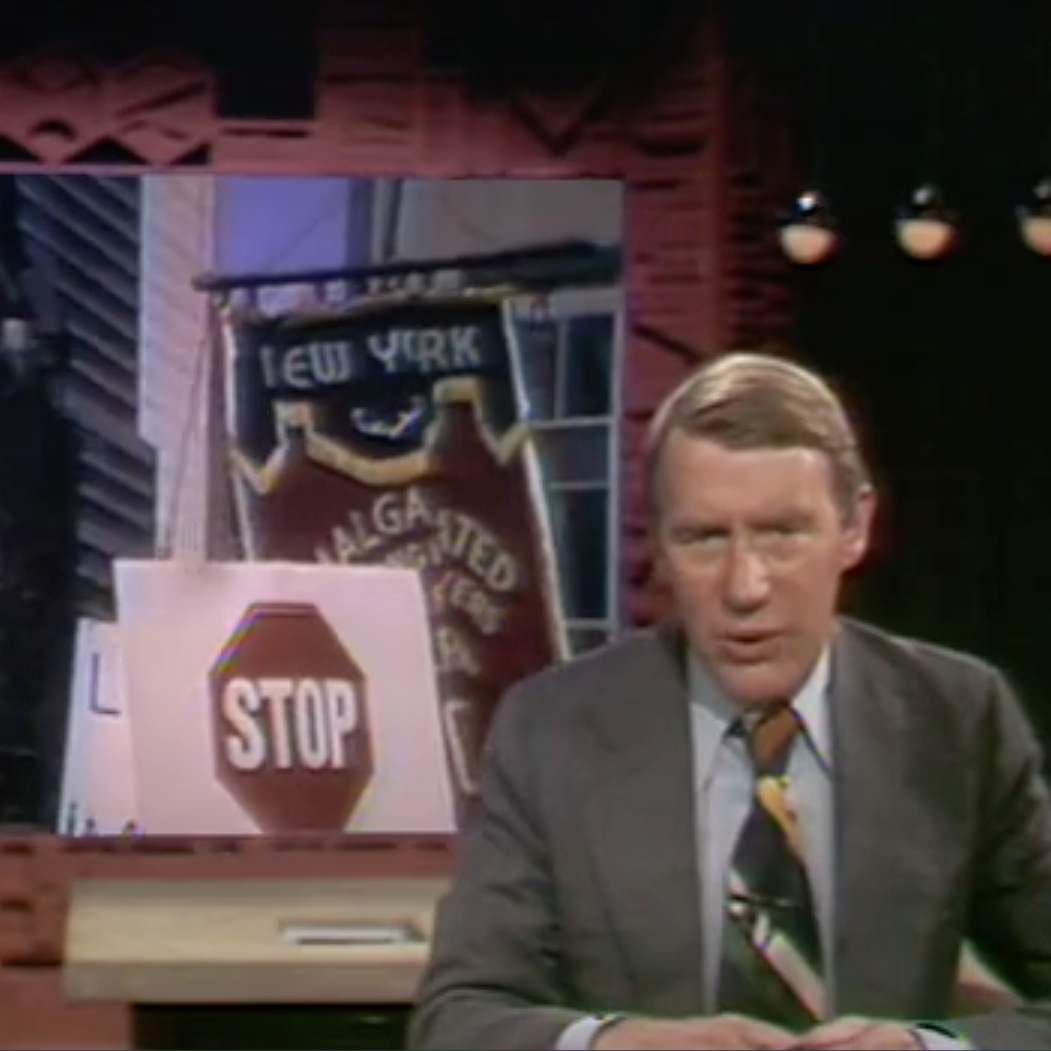 The Growing “Threat” of Imported Goods in the 1970s (1977)
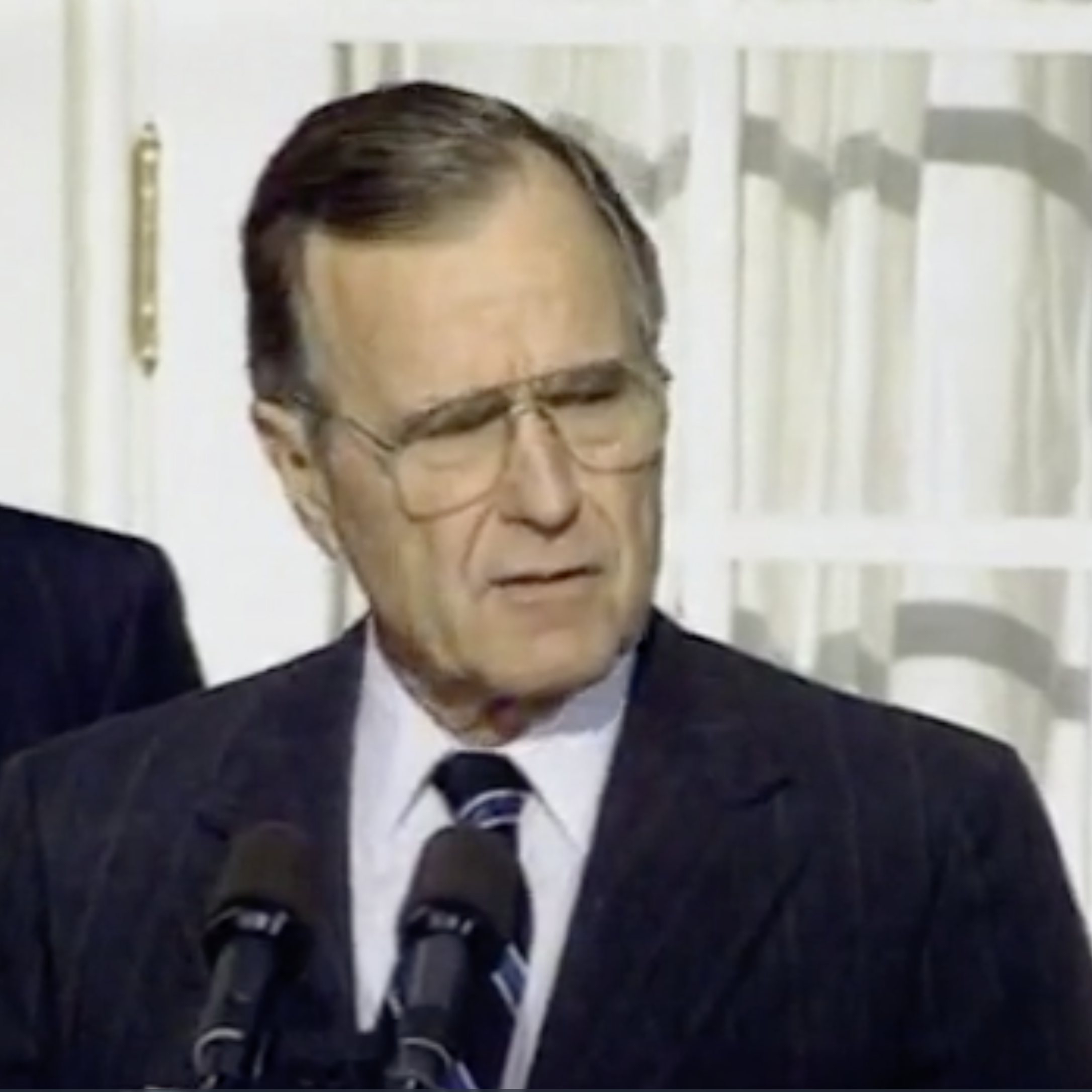 NAFTA Promotes U.S. Trade with Mexico and Canada (1995)
 Ocean Trade and the Explosion of Global Commerce (1994)
 Walmart, Sweatshops, and the Price of Cheap Clothes (2004)
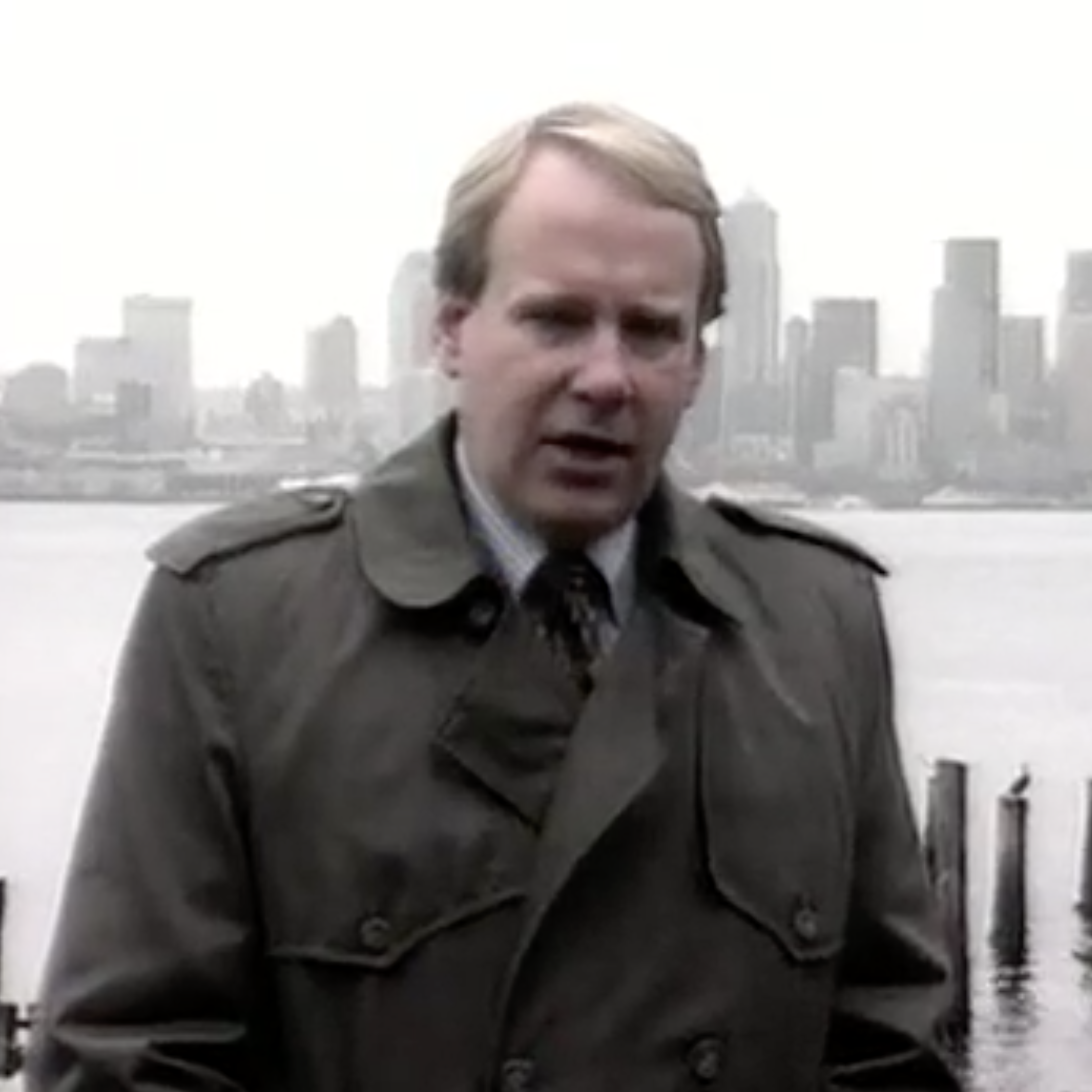 Organized Labor’s Critique of Globalization and Free Trade (1999)
 Defending Free Trade Against its Critics (2004)
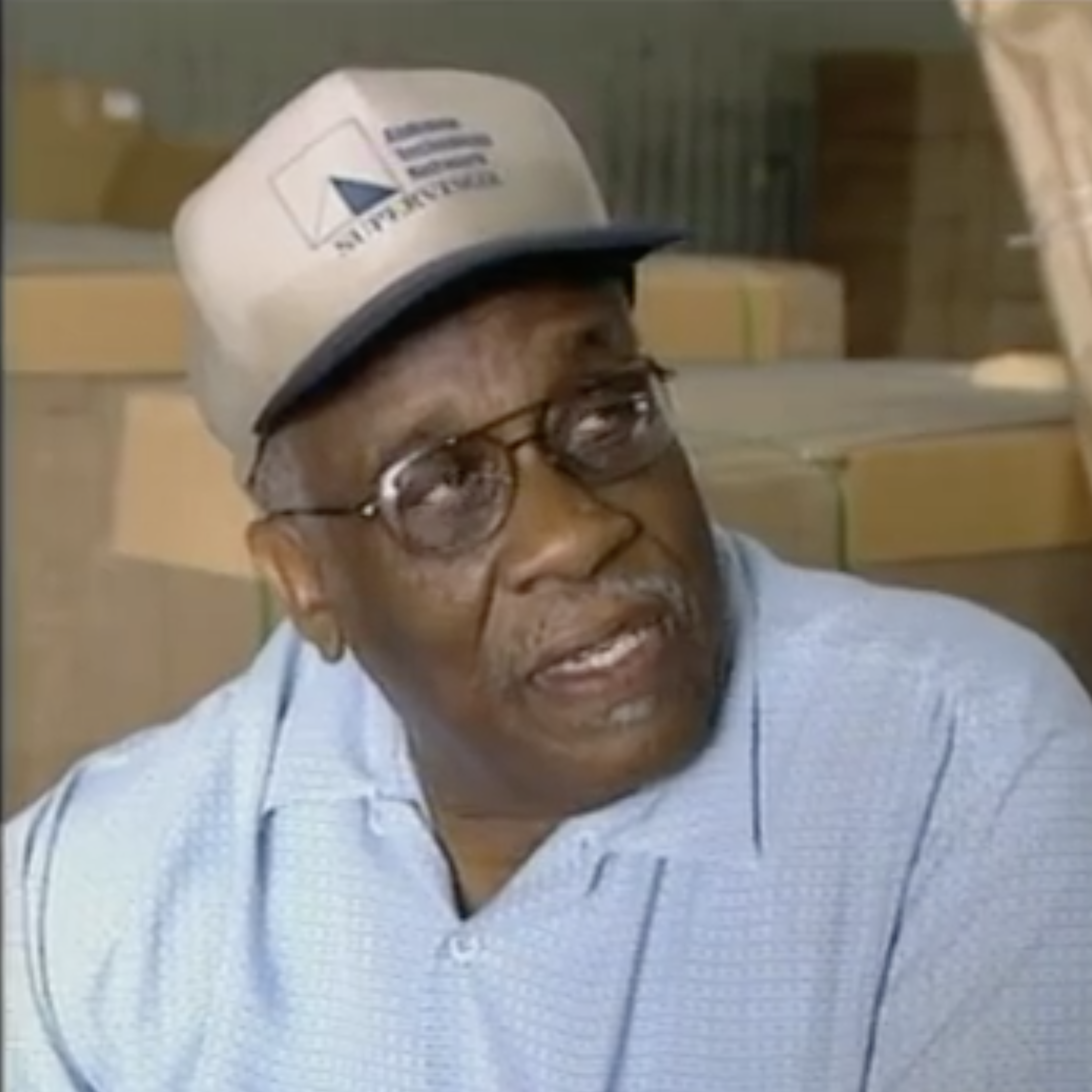 The Complex Impact of Globalization on Alabama Communities (2005)
 The Lessons of the “Elephant Chart” (2017)
 Debating Global Trade in the Age of Trump (2017)
 Trump’s Trade Policy and Criticism of China (2018)