good and it was very green. Still, I guess your conclusions are not remotely those of a lot of the majority of environmental leaders and activists these days. What do you think you're seeing that they aren't? I'm doing what they're doing with climate, which is paying close attention to the science and insisting that we do the same with these other domains, such as biotechnology and nuclear technology. You know, as they say, those who know the most about climate or the most frightened and those who know the most about nuclear or the least frightened, and I guess I'm trying to match those realities and get the rest of the environmental sun board. How do you lay out the case for nuclear power? The case for nuclear power is double. One is that it's mainly a very carbon free source of energy that's very proven and you know, existing technology has been there for quite a while and it's getting better all the time. People have, I think, lost track of the next generations being so good. But the main point is it's coal versus nuclear as far as getting what's called base load electricity that is the electricity
that's on all the time, which solar and wind nicest they are or not, unless we figure out a way to store their energy when they're not running. So nuclear versus coal, coal always wins in terms of price and nuclear always wins in terms of climate. And I think we're now in a situation where climate Trump's price and that's why governments are setting about making coal very expensive. Well, it's just kind of a hard mental transition for decades being green was practically synonymous with being anti -nuke. Being pro -nuke just sort of seems wrong if you're a pro -environmental. Yeah, and it's one guy, Steven Tyndale, who is head of green peace in the United Kingdom, described as almost a religious conversion to give up on being anti -nuclear. What about the problem of nuclear waste? The problem is political, it's not technical. We've known how to deal with nuclear waste for quite a long time. They're in the Midwest, we park it out back in the parking lot in those dry cask storage and they're fine there. It's a good place to put it while we think about it. We may want to put it in the ground, in which
case, the place where we've been putting in the ground in New Mexico down in a deep salt formation is good, that we may well want to reprocess it or we may even want to use it as direct fuel in the next generations of nuclear reactors called the fast reactors. So you wouldn't mind having one in your own neighborhood? Yes, please. It seems to me that a lot of your arguments come down to pragmatism. In other words, correct me if I'm wrong about you, but I have the impression that you think, you know, it might be nice to rely on solar power or wind power rather than nuclear, but we can't afford to anymore. Do you have a very strong sense that we're just running out of time? Yeah, climate change because of, it's such an unstable non -linear system as they say. It keeps surprising us with things like the Arctic ice melting 40 years ahead of schedule according to the IPCC models. And as that happens, I think a sense of urgency will continue to increase. And it's one of the reasons
I think, for example, that geoengineering, direct intervention and climate is something that will come to sooner rather than later. What might geoengineering, intervening and climate look like? Pretending to be a volcano. Climateologists love this one because it's what they call an existence proof of natural experiment. In 1991, a volcano in the Philippines named Mount Pinotubo blew up and sent 20 million tons of sulfur dioxide into the stratosphere, 20 miles up. And suddenly the next year, the whole Earth was half a degree Celsius cooler. You had more ice in the Arctic. You had, as a result, more polar bears. The cubs were born that year, were referred to by a biologist as the Pinotubo cubs. And they ran the models and realized that if you had a Pinotubo over a year, you could cool a planet by three degree Celsius, which is a lot. Okay, so wait a minute, I'm not sure. I totally get this. We would sort of create a volcano that would pump sulfur into the air. Well, one of the schemes, Nathan Mervold in Seattle is working on is basically a garden hose pumping liquid
sulfur dioxide up to 10 ,000, 12 ,000 feet where it's getting into the stratosphere and hanging it off of wedge -shaped blamps. And not very much expense. It's a few hundred million dollars to do that a year. So compared to the costs of all the other things we want to do about climate, it's pretty small. And it could really work? What it does is it puts sulfur dust into the stratosphere where it does slightly dim the amount of sunshine reaching the Earth's surface. And so it's just a by -time deal. It's a form of global dimming. But doesn't it make the world darker and then reduce the amount of sunlight for crops? Because remember when Mount St. Helena blew, people said there were serious climate changes as a result. No doubt with that approach, as we had with Pinotubo, there's some side effects you don't like. And that's one of the reasons you don't do it unless you feel like you have to. You know, on the one hand, there's something so hopeful and optimistic about thinking that science and technology may actually be able to improve the climate. But
it also makes me nervous. Doesn't it seem like an example of exactly the kind of arrogant big science that got us into the mess we're in now? Dangerous and crazy comes to mind. And you would only do it if you were absolutely head your back against the wall. But if we need to use it, you need to have schemes you're pretty sure will work. And so that's why we need to put serious money, a serious engineering, as well as serious science into moving ahead on these schemes, deceiving and finding any that can work if we need to use them. And then let's keep them on the shelf until we get desperate. Have you gotten a lot of flak for this book or are you finding that it's generally
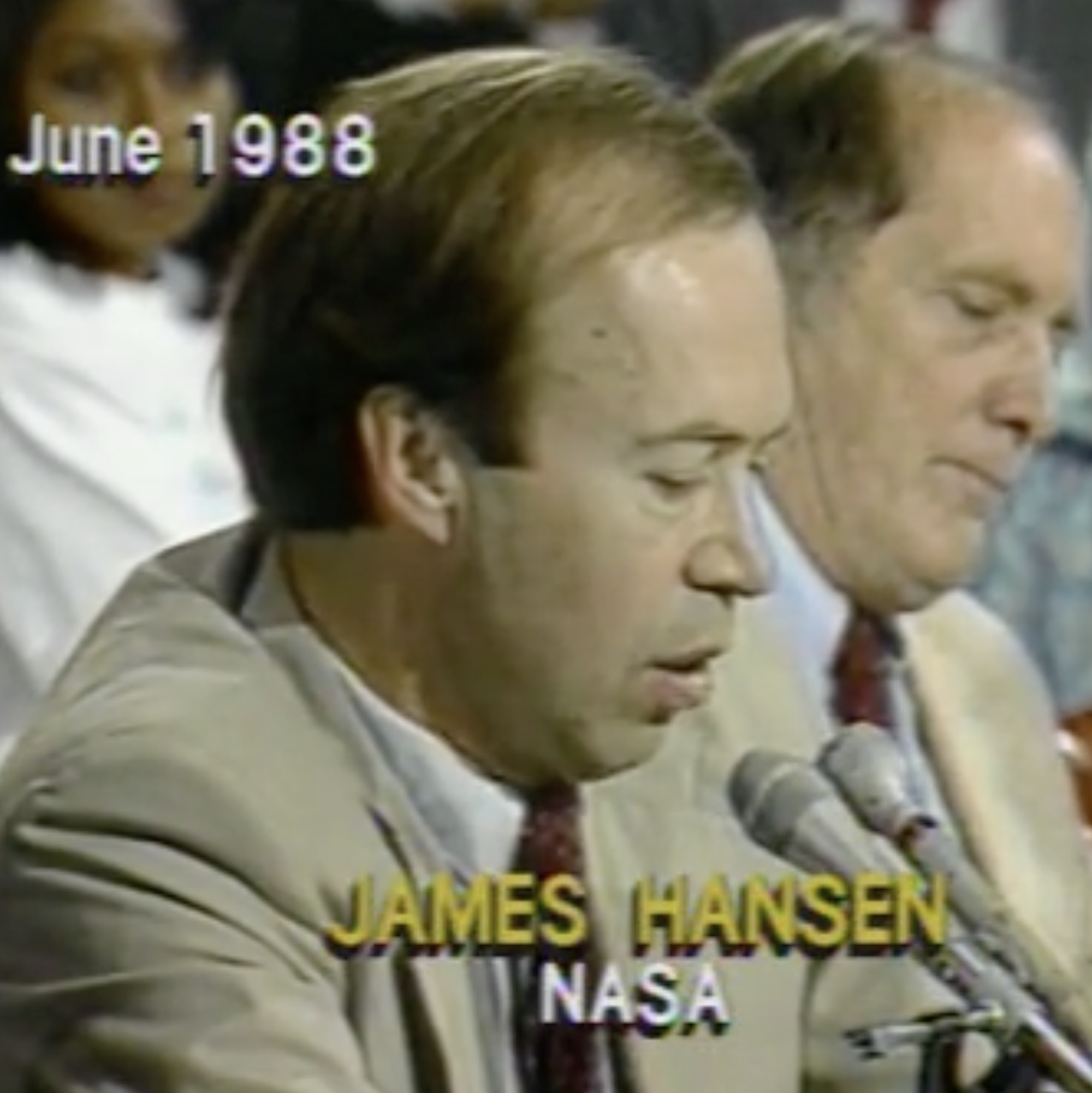 A NASA Scientist Explains Greenhouse Effect (1990)
 A Skeptic Criticizes the Theory of Climate Change (1997)
 The Impact of Rising Sea Levels on Coastal Cities (2018)
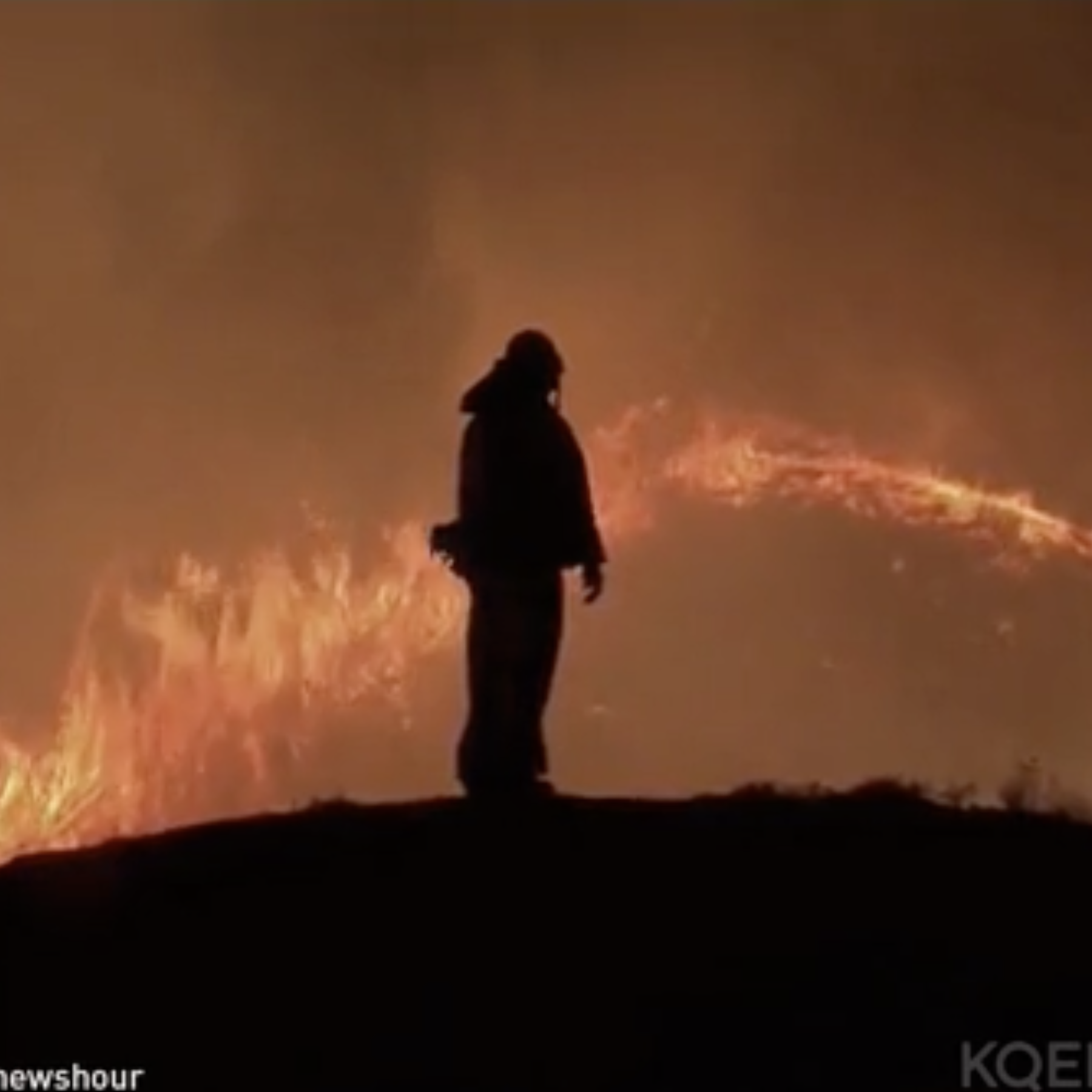 Climate Change and the Threat of Wildfires (2017)
 The Carbon Tax and Dividend Strategy to Address Climate Change (2010)
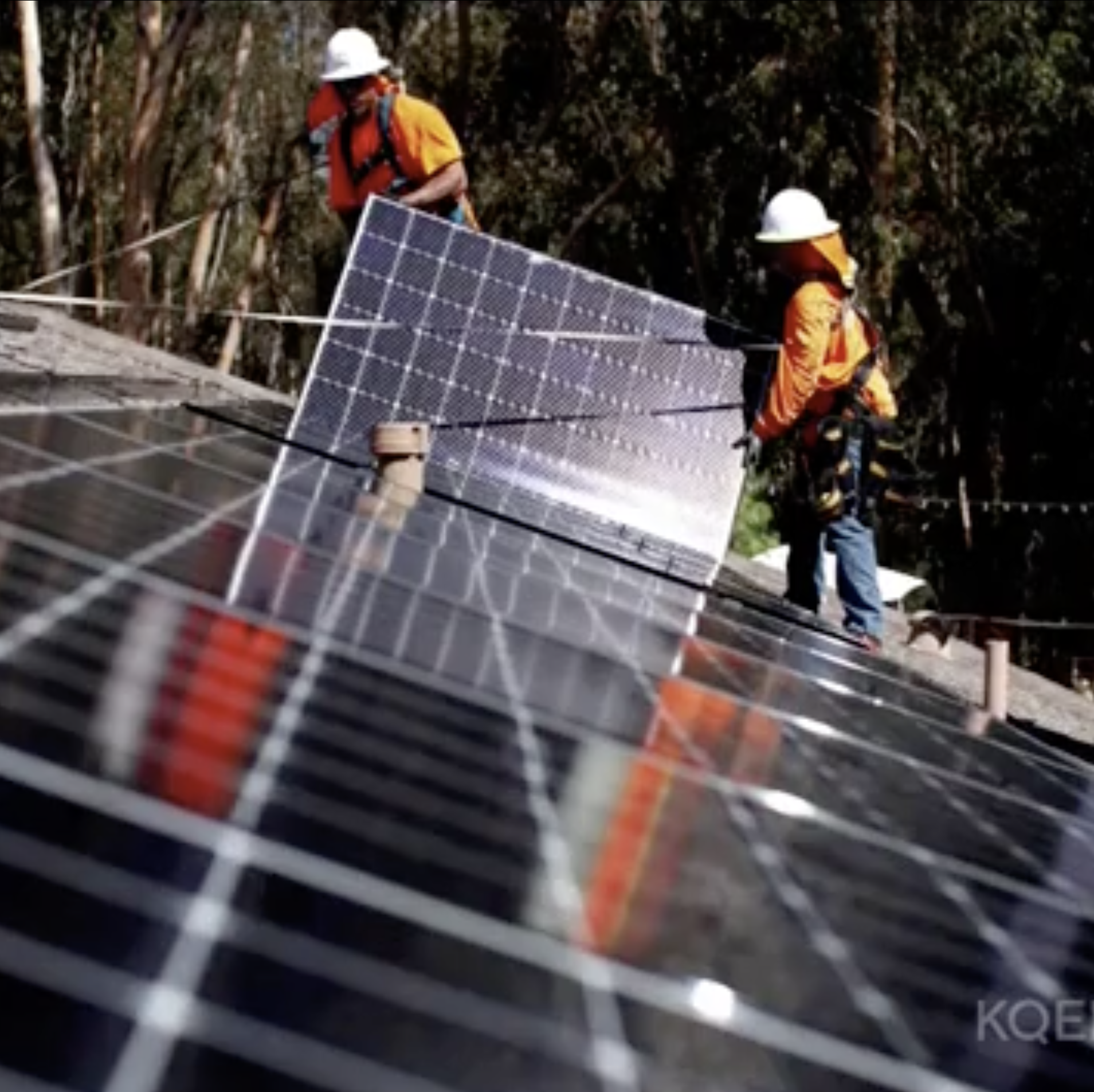 Encouraging Green Energy Adoption with Subsidies and Tax Breaks (2022)
 The Call for Profound Political Transformation to Stop Climate Change (2015)
 Imagining a Solution to Global Warming (1990)
 The Promise and Limits of the Kyoto Protocol (1997)
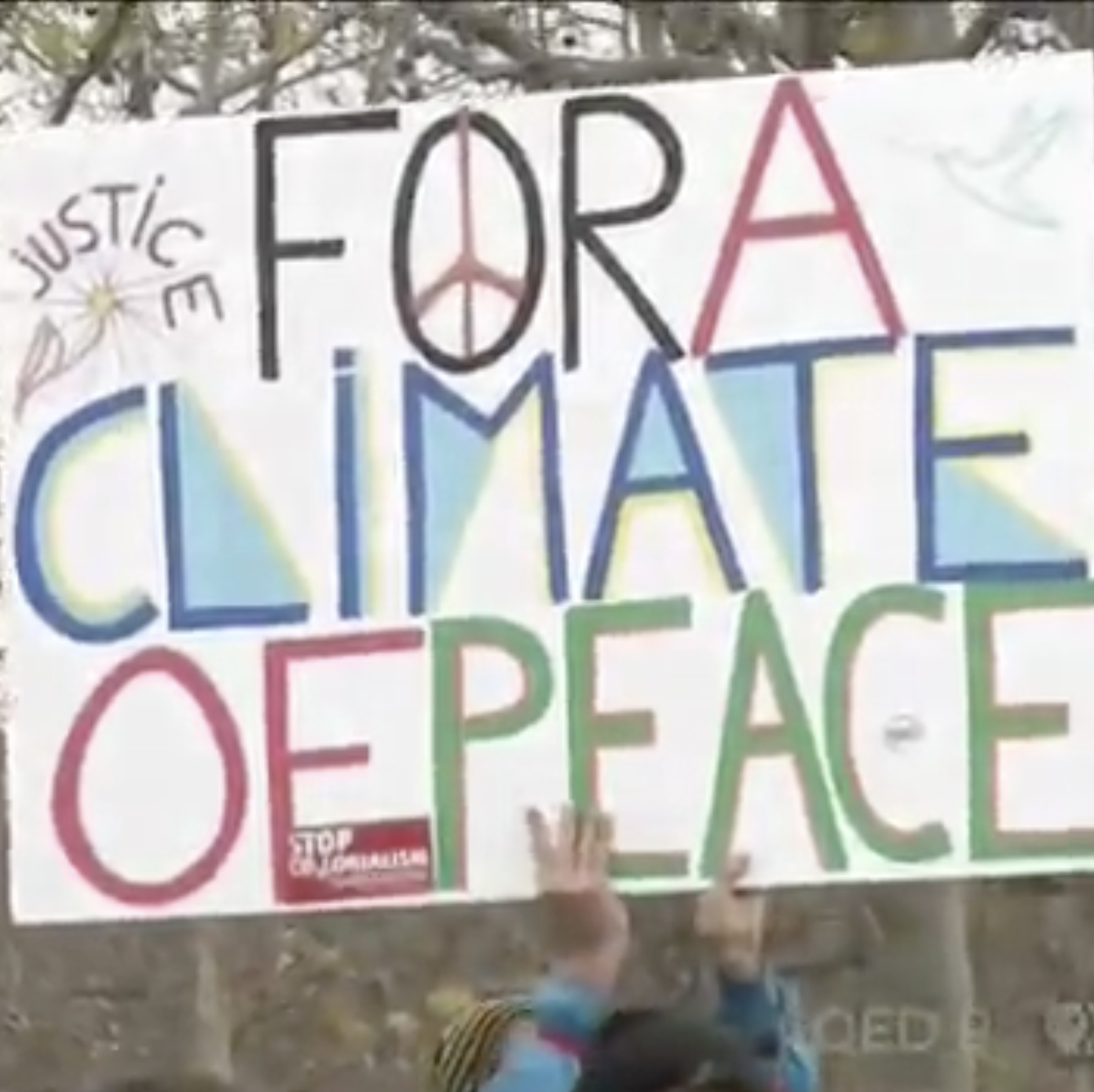 A Landmark International Agreement at the Paris Climate Conference (2015)
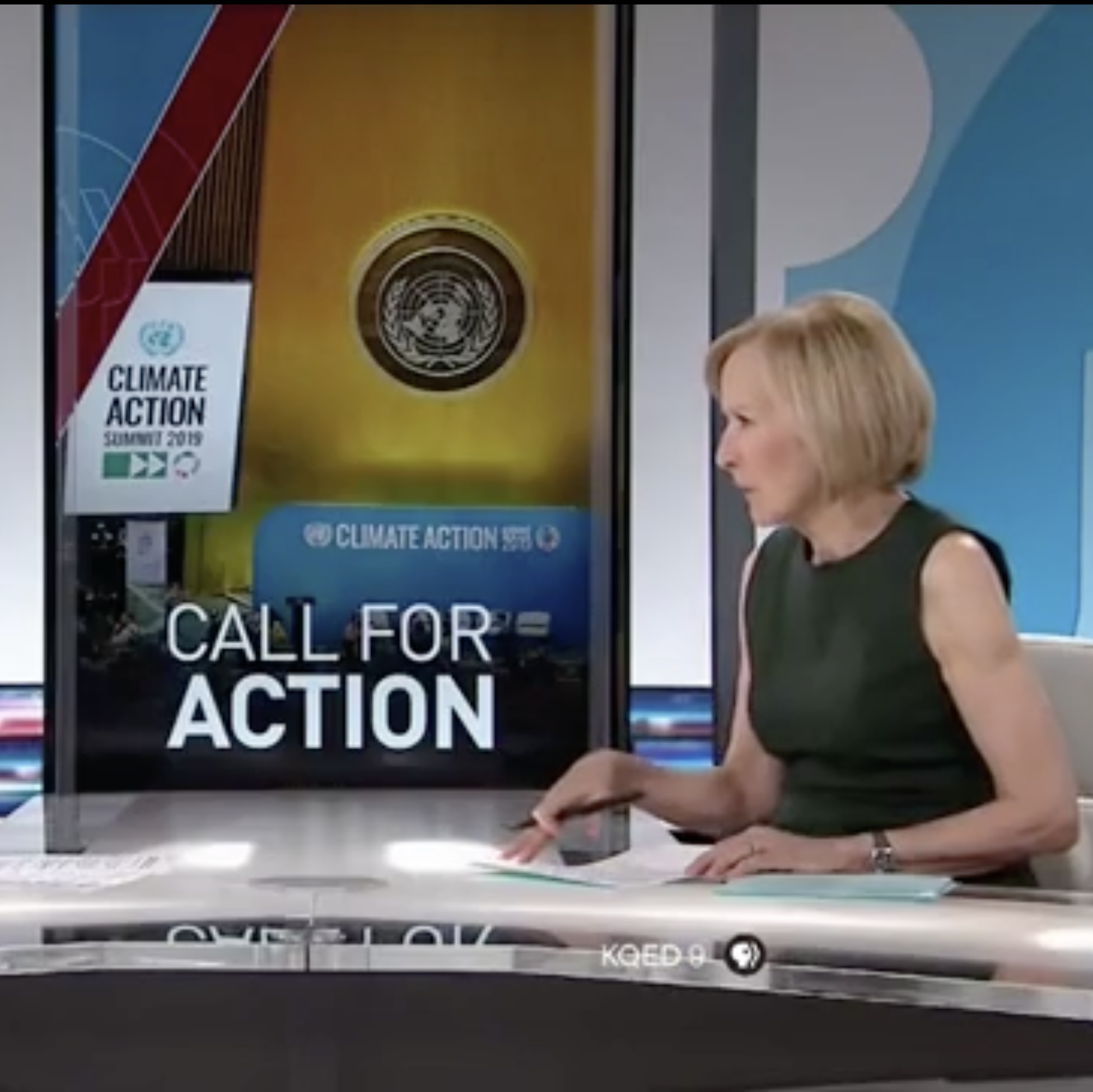 Frustration and Activism at the United Nations Climate Action Summit (2019)