JIM LEHRER: Good evening. I'm Jim Lehrer. On the NewsHour tonight, the global warming treaty, as seen by Senators Lieberman and Roberts; a Tim Sullivan update of the Nichols bombing trial in Denver; a Tom Bearden report on today's Flight 800 hearings; and an Anne Taylor Fleming essay about binge drinking by young people. It all follows our summary of the news this Thursday. NEWS SUMMARY
JIM LEHRER: The global warming treaty was finally approved today at the Kyoto summit. Representatives of more than 150 countries agreed to it after 11 days of debate. It would require industrial nations to reduce greenhouse gas emissions by an average of 5.2 percent below 1990 levels by the year 2012. The U.S. reduction would be 7 percent, Europe 8 percent, Japan 6. In Miami, President Clinton praised the agreement and said criticism was premature.
PRESIDENT CLINTON: I see already the papers are full of people saying the sky is falling, the sky is falling, it's a terrible thing. Every time we tried to improve the American environment in the last twenty-five or thirty years somebody has predicted that it would wreck the economy, and the air is cleaner, the water is cleaner, the food supply is safer. There are fewer toxic waste dumps. And the last time I checked, we have the lowest unemployment rate in 24 years. So don't believe the skeptics give us a chance to make the case.
JIM LEHRER: Nations have a year to ratify the treaty. We'll have congressional reaction right after this News Summary. In economic news today world financial markets took another fall. South Korea led the way, with a 5 percent drop in its stock index and a 10 percent decline in its currency. On Wall Street the Dow Jones Industrial Average closed down 129.8 points, or 1.6 percent, at 7848.99. Earlier, the Commerce Department reported retail sales for November were up .2 percent, less than what many economists had predicted. The Federal Aviation Administration needs a major overhaul, according to a new study released today. The National Civil Aviation Review Commission predicted crashes would double by the year 2010 without radical changes. Its report also said air travelers faced massive airport congestion if the FAA was not improved. Former Congressman Norman Mineta of California chaired the 21-member panel.
NORMAN MINETA, Civil Aviation Review Commission: The business of aviation is becoming more complex. In short, we face aviation gridlock caused by growth in air traffic, combined with an air traffic control that is crippled by antiquated technology, inadequate funds, and management flaws.
JIM LEHRER: The commission recommended partially privatizing the FAA and granting it more funds. Former Housing Secretary Henry Cisneros was indicted today on 21 counts of lying and obstructing justice. His former mistress and two others were also charged, according to Independent Counsel David Barrett. Cisneros was accused of lying to the FBI and the U.S. Senate about payments to the former mistress. He allegedly did so during a background check prior to his cabinet appointment. He's the former mayor of San Antonio and now heads the Univision Spanish Language Television Network based in Los Angeles. He resigned his housing post last year. In Denver today the defense rested in the trial of Terry Nichols, accused of involvement in the bombing of the federal building in Oklahoma City. Closing arguments are to begin next Monday. Nichols could face the death penalty if convicted of the charges. A hundred and sixty-eight people died in the 1995 bombing. In August, his friend, Timothy McVeigh, was convicted and sentenced to death. We'll have more on this story later in the program. Overseas today British Prime Minister Tony Blair met in London with Sinn Fein Leader Gerry Adams. It was the first meeting at No. 10 Downing Street in 76 years between a leader of the Irish Republican Army and a British Prime Minister. They spoke to reporters separately after the one-hour session.
GERRY ADAMS, Sinn Fein Leader: I think it's clear that all of us face difficulties and that all of us have to learn about how to move from conflict, to move from the old field agenda, and to a new agenda, and today's meeting could be seen as a significant step in that direction.
TONY BLAIR, Prime Minister, Britain: Well, it was important that we met Sinn Fein as a party to the talks process; that we stated absolutely clearly and face to face the need for them to take the democratic path, the fact that if they took the democratic path, then they could discuss the possibilities for a lasting settlement in North Ireland, but, if they couldn't, then they can't be part of that process.
JIM LEHRER: Adams said he would like to meet next with representatives of Northern Ireland's pro- British Protestant Parties. Muslim leaders condemned terrorism in the name of Islam today. They did so at the close of a three-day Islamic summit in Tehran. The 55 delegates from throughout the world adopted a joint statement that included a call for interaction, dialogue, and understanding among cultures and religions. And that's it for the News Summary tonight. Now it's on to the global warming agreement, a Nichols trial update, the Flight 800 hearings, and an Anne Taylor Fleming essay. FOCUS - CLEARING THE AIR
JIM LEHRER: Again tonight Margaret Warner begins with the global warming story.
MARGARET WARNER: The final hours of the climate convention in Kyoto, Japan, were frenetic as negotiators went into overtime in their search for a deal, but finally on Thursday morning, well into the eleventh day of their scheduled ten-day conference, the exhausted delegates got what they'd come for, an agreement to curb the threat of global warming.
PAUL ESTRADA: We'll recommend the adoption of this protocol to the conference by unanimity.
MARGARET WARNER: Under the agreement 38 industrialized nations will cap their emissions of greenhouse gases to an average of 5.2 below 1990 levels by the year 2012. Different countries were assigned different targets, among them, the European Union 8 percent below 1990 levels; the United States 7 percent; Japan, Russia, and Canada 6 percent. Additional measures give countries flexibility in how they meet their target. A clean development mechanism will let industrialized countries get credit for financing emissions reduction projects in other countries, and an international "emissions trading" regime will be established letting industrialized countries buy and sell excess emissions credits amongst themselves. The agreement fell short of a major U.S. goal, however, to get the fast-growing developing countries like China and India to participate. Negotiators also failed to win tough compliance measures to punish nations that don't meet their targets. Negotiators hailed the agreement but also sounded some caution.
STUART EIZENSTAT, U.S. Delegate: We view Kyoto not as the end of a process, but as a historic beginning of a process to deal with a long-term problem that ultimately must be solved not only by developed-- but by developing countries.
RITT BIERREGAARD, European Commissioner: We would have liked to have the result better. It's quite clear the European Union came here with a higher target. We would have liked the other parties to be more ambitious.
MARGARET WARNER: Officials of U.S. energy companies and other businesses, who had lobbied against the agreement, were critical of the results.
SPOKESMAN: It is not good news for the American consumer, for the American economy, or the record of economic growth that we've had over the past four or five, six years.
MARGARET WARNER: Environmental groups, with a few exceptions, were generally enthusiastic.
SPOKESPERSON: Environmental and public interest groups will rally local support for this historic treaty at the grassroots level. We will be working to make certain the voices of millions of Americans who support a strong climate change treaty are heard.
MARGARET WARNER: Today in Washington Vice President Gore said the U.S. targets could be met without opposing a severe economic burdenon American consumers and taxpayers.
VICE PRESIDENT GORE: I believe the American people can meet the challenge of global warming and end up with a better and stronger economy in the process. So on behalf of President Clinton, I call on all Americans in our best bipartisan tradition to join together in this critical undertaking to stand with us on the right side of history.
MARGARET WARNER: But Gore said the White House would not ask the Senate to ratify the agreement as it now stands.
VICE PRESIDENT GORE: As we've said from the very beginning, we will not submit this for ratification until there's meaningful participation by key developing nations.
MARGARET WARNER: Instead, Gore said the President would ask Congress to approve measures to help meet the target, like a $5 billion package of tax incentives to encourage the development of energy-efficient technology.
MARGARET WARNER: Joining us now are two members of the U.S. Senate: Republican Pat Roberts of Kansas and Democrat Joseph Lieberman of Connecticut, who was in Kyoto as an observer. Is this a good agreement?
SEN. JOSEPH LIEBERMAN, [D] Connecticut: Yes, it is a good agreement. It's certainly not a perfect agreement, but it's the beginning, as Amb. Eizenstat said, of a long process to meet the reality of global greenhouse gas emission increases and the potential threat that they pose for our environment. It was really an extraordinary agreement when you consider the number of nations, their various interests, and the very local and personal effects of this agreement. So in that sense I think the nations of the world really rose to face the common threat as opposed to yielding to their separate vested interests.
MARGARET WARNER: Does it start on a common threat?
SEN. PAT ROBERTS, [R] Kansas: I don't know. I think the devil's in the details. The Senate voted 95 to nothing to give advice to the President to say basically two things: Whatever treaty would be approved or would be signed would be global. It would involve all countries. That was not the case; and that it would not do harm to the U.S. economy. And while I'm very pleased that the Vice President said today there will be no new taxes or new regulatory schemes, I don't see how on earth we reached the goals that were expressed or that were agreed to by the President. We're talking about 7 percent, as opposed to 5 percent, back to 1990. We've increased our energy consumption about 30 some percent. We're talking about 44/45 percent in terms of a cutback. I don't know how we do that.
MARGARET WARNER: Just let me explain. You're saying that's--compared to where we would be in energy emissions by the year 2012 we will really have to cut 40 plus percent.
SEN. PAT ROBERTS: That's correct. I think in a larger sense there are many of us in the Senate who are worried that in regards to harming the U.S. economy we have quite a bit of information and models in agriculture and in the business community that takes a look at this new criteria. Again, I'm very pleased the administration has indicated no new taxes because this is the same group of people who recommended the BTU tax in 1993. We're going to hold them to that, but I think it's interesting that we are delaying the ratification for a year, because obviously the Senate is not going to pass it unless these developing nations--India, Mexico, and China--are on board. China says they're not going to be on board, what, for the next maybe 50 years. So we're going to have to take a very hard look at this, and I think it's probably positive that we have the debate.But I'm still very concerned.
MARGARET WARNER: How can you implement this, or meet the targets, without new taxes and new regulations?
SEN. JOSEPH LIEBERMAN: Well, first the President And Vice President have been very clear about this, so I think that taxes are off the table. I haven't heard anybody talk about it. Second, remember we're not talking literally about the reduction of energy consumption by 40 or 30 percent, as I think it's closer to, but the reduction of greenhouse gas emissions by that amount. And, therefore, the question is: How do we power our society? What sources of energy do we use? And the challenge here that this agreement poses to us--and we can meet it--is to drive technology so that we're using much more energy efficient, less polluting sources. We can do it, and that's the whole history of this country. I mean, when we passed the Clean Air Act, there was tremendous worry in a lot of the businesses affected by it that we'd knock them out, and since it's gone into effect, their economy has been stronger than ever. It's the last five years, and technology has driven--been driven to a point where people have figured out how to do what they wanted to do in a cleaner and safer way. And I think that's what we can do here. Remember, this treaty's binding commitments don't go into effect until 2008. And you don't have to meet the targets till 2012. So we've got a good 10 years to get ready here, and I'm confident we can do it. And the good news is that not only when we do, it not only will reduce greenhouse gas emissions but it will make us more energy efficient and energy independent, which is important to us strategically. And it'll mean that we're polluting the air less, which is important to our health. So I think this is a real opportunity for us to pull together and make it happen.
MARGARET WARNER: Do you think, Senator, it can be done through technological innovation?
SEN. PAT ROBERTS: In part. I think the President is going to recommend $5 billion in regards to tax credits for new technology to allow the business community to do what he thinks is possible in regards to this criteria, but let me tell my distinguished colleague and good friend from Connecticut I have here a sub-panel of the UN that recommends a whole series of things for agriculture--and I'm from Kansas, and I'm interested in the farmer and rancher, as are a lot of Senators--one, this sub-group already recommended fuel taxes, fertilizer taxes, regulation of animal density. That means we have too many critters in the Dodge City feedlot. We can't plan on certain ground, that you're going to have to rotate crops. We just passed a brand new farm bill where we got out of subsidies, and we gave the farmer the decision-making power. Joe's right. Through precision agriculture and tremendous technology advances and the productivity of the American farmer we're feeding this country in a very troubled and hungry world. There are 2 million children in the world that go to bed hungry, or who are malnourished, or in the case of certain countries even experiencing starvation. What I'm worried about is groups like this and other regulatory proposals here that will throw a monkey wrench into the productivity of American agriculture. One other thing; we sit on the Armed Services Committee--we're good friends and we work for a strong national defense--there's no exemption here for the military. There's no exemption here for the armed services. Bill Cohen is asking--our Secretary of Defense--what is our obligation here? And if ships can't sail and if planes can't fly and we can't train with those kinds of cutbacks, those are the kinds of questions we're going to have to answer before we go to Argentina and find out all of the details of this.
SEN. JOSEPH LIEBERMAN: Let me add a word just in response to Pat's last point, which is one of the things that did happen in Kyoto, and it has received almost no notice, I'm not surprised he hasn't heard about it, is that there was an agreement to exempt military from this in overseas deployments and in surge deployments at a time of crisis. So the Pentagon at this point is very happy with the agreement.
SEN. PAT ROBERTS: Well, now we're involved in a hundred nations. Are they all surge?
SEN. JOSEPH LIEBERMAN: No. This is the question of Persian Gulf type activity where you wouldn't have to--
SEN. PAT ROBERTS: I hope maybe Bosnia. Maybe we can troops--
MARGARET WARNER: Explain to me and to our viewers about what we're really talking about here. Are we saying that we continue to burn coal and oil and wood, but somehow do it in a cleaner way so the emissions are less, or do we have to really switch to solar and wind and totally different kinds of technology?
SEN. JOSEPH LIEBERMAN: The good news here is that this is up to us. Pat read from that piece from the United Nations group. First, let me assure you that just as the President has promised no new taxes, I promise I will never vote for any limitation on critters in Dodge City. I just want to make that crystal clear.
SEN. PAT ROBERTS: You won't--put your blue helmet on and come out--
SEN. JOSEPH LIEBERMAN: I will not. It's up to--I mean, some group had some ideas--it's up to us.
SEN. PAT ROBERTS: It says right here this is the group that is proposing all of the specifics in regards to the treaty. That's what I'm worried about, Joe.
SEN. JOSEPH LIEBERMAN: But there is nothing that is suggestive really. We accept a target of emissions reduction and then it's up to us as to how we meet that target. One of the great things that happened at Kyoto was that there was an acceptance of the idea of an emissions treaty, which is a non-governmental, non- bureaucratic approach, which we used in the Clean Air Act to reduce acid rain. And it's worked remarkably well. On your question, the point here is that probably we're going to have to either figure out how to burn cleaner coal and cleaner oil, or we're going to burn less of them. And we're going to have to develop alternative sources of energy and use them more. Yes, solar, wind, which we're beginning to use pretty well, and eventually some whole new technologies, like fuel cells, which most of the business people and the scientists in Kyoto feel are the great new energy source.
MARGARET WARNER: And what are they?
SEN. JOSEPH LIEBERMAN: Well, basically uses hydrogen, and they're self-generating. I mean, we're probably about 25 years away from having this work. But, you know, while we were in Japan Toyoto Motors started a market for the first time--a massed produced electric hybrid car, which achieves a remarkable fuel efficiency and it self-generates the batteries. You don't have to plug it in. It's not the end result, but it's an example of the way the need to be more efficient about energy consumption to be cleaner about it, will drive new technology.
SEN. PAT ROBERTS: Let me just say that I'm interested in the gas permit trading market, the greenhouse gas permit trading market. I share the concern and the hope of Joe here--
MARGARET WARNER: Let me explain briefly what that is--this emissions trading system--it would enable countries that actually meet their quotas--say targets--and get below to sell those--that extra credit.
SEN. PAT ROBERTS: This is a non-bureaucratic approach that we have here. And it says the UN trading authority, UN central command, UN monitoring authority, certification, this looks--you know what I'm going to say--this looks like the health care plan. If this isn't bureaucratic, I don't represent Kansas. Again, the devil's in the details. We have the American Farm Bureau and other models and all sorts of land grants deals that have tried to take a look at the cutbacks that would be mandated, and I know the President has indicated and the Vice President has indicated, you've indicated no new taxes. But to reset criteria and to put those kind of requirements or mandates--and we've haven't decided how or why yet because we've got to go to Argentina to find out as of next year--that's going to be terribly difficult to do. And what I'm worried about is a mandate on the American business community and the American farmer and ranchers who have to feed this country in a troubled and hungry world that they'll have the obligation to reach that criteria. And then the proponents of all this, who have probably swallowed more CO2 than they need to, is to say, well, that's up to you, but we didn't propose any new taxes, and we didn't propose any kind of a regulatory scheme. This is a regulatory scheme. These are the things that worry our farmers and ranchers, and obviously should worry your constituents. I think you pay about a buck fifty for a gallon of gasoline up in your country. We pay about a buck nine. Of course, we drive--but that's the kind of thing--plus the fact that it doesn't really answer the question of global warming. I see no evidence out here that this kind of cutbacks and this kind of a regulatory scheme will actually reduce the problem.
SEN. JOSEPH LIEBERMAN: Well, of course--I'm sorry--go ahead.
MARGARET WARNER: It does raise the question--you mentioned it--that we don't even have to meet our target till 2008. Why--I'm just wondering if politically you think this is viable. You ask the American people to assume new costs surely, or business to take new risks for benefits pretty far down the line that in the end you won't know if they're getting the benefit really. I mean, if global warming isn't here, it's like the tiger is not at your door, but would it have been otherwise.
SEN. JOSEPH LIEBERMAN: Well--
MARGARET WARNER: How do you do it?
SEN. JOSEPH LIEBERMAN: I've looked at the science, and it seems to me that everybody agrees the greenhouse gas emissions are going up dramatically since the beginning of the industrial age. They've gone up about a third in that period of time. They're at the highest levels of concentration in the last 10,000 years. The question is--and some people disagree-what impact is it having? The odds are that the impact will be to increase the temperature. It's gone up a degree in the last century; in Connecticut, where we've measured for a century, it's gone up 2 1/2 degrees, rainfall has increased 20 percent. So I view this as buying an insurance policy. My reading of the science is that the odds are that we're going to face global warming, rising sea level, more pests for farmers to deal with, changing weather, extreme floods, and drought that will affect what farmers, for instance, do. So we ought to buy an insurance policy to deal with it. You know, I buy an insurance policy on my house. I don't know there's going to be a fire or a pipe is going to break, but I spend the money on it because the consequences of not having insurance are worse. And that's what we're doing here.
MARGARET WARNER: Briefly, on the insurance policy, is it worth it as an insurance policy?
SEN. PAT ROBERTS: Well, the premium--you don't want the premium--you don't want the premium to exceed the benefits of an insurance policy. We passed a brand new farm bill in the last session of Congress. It got rid of subsidies. It gives the farmer the opportunity for less reliance on fertilizer and chemicals and energy and all the things that Joe is talking about. We're making dramatic progress. And we're going to feed probably a doubling of the population on the same farm ground through high tech and precision agriculture without all of this, without all of this.
SEN. JOSEPH LIEBERMAN: And just that kind of technological progress says to me that we can reduce greenhouse gas emissions and the farmers can be doing just as well, maybe better, because they won't have to face the consequences of global warming.
SEN. PAT ROBERTS: Not with any mandate that says you can't have a diesel tractor.
MARGARET WARNER: All right, gentlemen. We're going to leave it there. Thank you both very much.
SEN. JOSEPH LIEBERMAN: Thank you.
SEN. PAT ROBERTS: Thank you. UPDATE - BOMBING TRIAL II
JIM LEHRER: The Nichols bombing trial and to Elizabeth Farnsworth in San Francisco.
ELIZABETH FARNSWORTH: After eight days of testimony from ninety-two witnesses, attorneys for Terry Nichols rested their case today. The federal government has alleged Nichols was Timothy McVeigh's co- conspirator in the 1995 bombing of the Alfred P. Murrah federal building in Oklahoma City. For more on the trial we're joined by Court TV correspondent Tim Sullivan. Tim, today the defense wound up its case with testimony from Terry Nichols' wife, Marife. What was the--what were the main points of that testimony?
TIM SULLIVAN, Court TV: Well, Elizabeth, the defense called Marife Nichols because she gave Terry Nichols an alibi for the day of the bombing because she corroborated some of the statements he made to the FBI about why he drove to Oklahoma City three days before the bombing to pick up Tim McVeigh. He says he went down there because McVeigh's car broke down, McVeigh had a TV set that belonged to Nichols, he went down to do McVeigh a favor and get his TV set in the bargain. Marife Nichols confirmed all of that, but she also corroborated some important points in the government's case. So it was not an unqualified success for the defense to put Terry Nichols' wife on the stand. She could not explain where he was on the morning before the bombing, when the government claims he was at a state park with Timothy McVeigh, building the bomb that blew up the Murrah Building. She also confirmed some evidence the government put in about an oil filter, a receipt for an oil filter that Terry Nichols returned to a Wal-mart. The government alleges that oil filter was bought by Timothy McVeigh a week before the bombing, and Terry Nichols' possession of the receipt proves that he saw McVeigh only a week before the bombing, when Terry Nichols told the FBI, when he was arrested two days after the bombing, that he hadn't seen McVeigh in four months.
ELIZABETH FARNSWORTH: And, Tim, last week you said that the prosecution had tried repeatedly to link Terry Nichols and Timothy McVeigh. Was the defense able to de-link them at all?
TIM SULLIVAN: You know, they were not very successful in that part of their case. They were successful in raising doubts about John Doe II and the second Ryder Truck and other matters. But, again, Marife Nichols, Terry Nichols' wife, hurt the Nichols defense in that part of the case because she talked about how Timothy McVeigh was Terry Nichols' best friend. She said nobody was closer to my husband than Timothy McVeigh. She said it got to the point where she became jealous of the time Terry Nichols spent with McVeigh and that she threatened to leave Terry Nichols if he didn't break off this friendship with McVeigh and go back on a deal they had McVeigh and Nichols to go into business together. So she seemed to put them back together again.
ELIZABETH FARNSWORTH: In these past eight days how has the defense of Terry Nichols differed from the defense of Tim McVeigh?
TIM SULLIVAN: Well, they've called four times the number of witnesses that the Timothy McVeigh defense called. They also were able to raise a lot of questions about John Doe 2, the suspect the government was looking for in the weeks after the bombing but who was never apprehended. For example, Terry Nichols' defense team was able to call Carol Howe, who was an informer for the ATF in a right-wing religious compound in Eastern Oklahoma. She came a couple of days ago and told the jury that she saw Timothy McVeigh at that compound with a man who the defense has identified as possibly being John Doe 2, and she said there was a lot of talk at that place about the violent overthrow of the government. And, as Michael Tigar would say, the lead defense attorney, the theme of his opening statement was that Terry Nichols was not there. So that was something that they were able to do that McVeigh's team was never able to do.
ELIZABETH FARNSWORTH: And tell us about some of the other witnesses who testified about this John Doe No. 2. There were several, weren't there?
TIM SULLIVAN: There were several. There were two people, in particular, who testified that they saw Timothy McVeigh with John Doe 2 within a block of the Murrah Building in Oklahoma City on the morning of the bombing. One woman who was in the building when it blew up, she got out, she said that she was walking to her husband's office a few blocks from the Murrah Building when she ran into Tim McVeigh and this other man, this John Doe 2, which several witnesses for the defense described as possibly being Hispanic, having an olive complexion and dark hair and dark features, certainly not Terry Nichols. Another man said he saw McVeigh with that man in Oklahoma City. Several people saw him elsewhere. Most importantly probably was yesterday the defense called Charles Farley, a man who said that on the day the government says Nichols and McVeigh were building the bomb at a state park in Kansas he saw a Ryder truck there with three other vehicles, and he saw five men there. He said one of them had a flatbed truck that was piled to the top with bags of ammonium nitrate fertilizer, which, of course, the government claims was the main component of the bomb. This doesn't fit the government's allegation about how the bomb was built, but it makes logical sense that it would take several people to move two tons of ammonium nitrate.
ELIZABETH FARNSWORTH: Was the prosecution able to discredit any of the John Doe witnesses in their cross-examination?
TIM SULLIVAN: They did. They pointed out that many of these witnesses did not come forward until there had been vast publicity about the case. Some of these witnesses admitted on cross-examination by prosecutors that they were interested in getting on television; they wanted to be a part of this case because they wanted some of the publicity. One woman said, Everybody in Herington, Kansas, wanted to be part of this story when it broke, Herington being Terry Nichols' home town.
ELIZABETH FARNSWORTH: And, Tim, remind us who the government says John Doe is. They now say that John Doe--remind us who he supposedly was the person whose picture was put out so many places.
TIM SULLIVAN: Right, Elizabeth. The government says he's a perfectly innocent man. His name actually is Todd Bunting. He testified in the Timothy McVeigh trial. They considered calling him in this trial on rebuttal, but they decided not to at the last minute. But their explanation is that Todd Bunting was a soldier in Ft. Riley, Kansas; he's an innocent man; he came in to the Ryder Truck place where McVeigh rented a truck. He came in a day after McVeigh. The government says the employees of the truck rental agency were confused about who came in on what day and whether this guy was with McVeigh. In the confusion they described a man was being with McVeigh when, in fact, he was not with McVeigh. But it took the government months to come to that conclusion. And during that period they were all over the country looking for John Doe 2.
ELIZABETH FARNSWORTH: And, Tim, looking at the differences again in the two trials between the defense of McVeigh and the defense of Terry Nichols, he was portrayed as a family man, and wasn't he portrayed very differently in this trial than the defense was able to portray Tim McVeigh?
TIM SULLIVAN: Yes, he was. Terry Nichols, of course, his wife testified today, as we talked about, there was a lot of testimony about his son, Joshua, a teenager, his ex-wife testified, and on the day that she testified Terry Nichols broke down in tears openly in the courtroom, so he came across as a much more human face, a much more sympathetic person, if you will, in the respect of being an upstanding family man than the defense team for Timothy McVeigh was ever able to portray for their client.
ELIZABETH FARNSWORTH: Well, Tim Sullivan, thank you very much for being with us.
TIM SULLIVAN: You're welcome.
JIM LEHRER: Still to come on the NewsHour tonight the Flight 800 hearings and an Anne Taylor Fleming essay. FOCUS - WHAT WENT WRONG?
JIM LEHRER: Now, Tom Bearden continues his coverage of the TWA Flight 800 hearings.
TOM BEARDEN: The focus of today's hearing was aging aircraft. Did the fact the TWA 747 was a quarter of a century old contribute to the accident that killed 230 people?
JIM HALL, Chairman, NTSB: We do not know what caused the TWA 800 tragedy. One of the factors that has been widely reported and one is considered is the age of the aircraft.
TOM BEARDEN: The aviation industry's wake-up call about aging aircraft came in 1988, when much of the forward cabin of an Aloha Airlines Boeing 737 ripped away in flight because the aluminum fuselage had cracked under the stress of thousands of takeoffs and landings. Everyone had thought the regular maintenance and inspection programs required for all aircraft would have detected cracking long before anything like this could have happened. A host of new procedures specifically designed to deal with aging aircraft were subsequently put in place. A Boeing engineer testified the program is working.
ROBERT VANNOY, Boeing Engineer: The detailed examination that was conducted of the accident airplane, the 25-year-old accident airplane, and the lack of any significant corrosion or cracking does provide additional confidence the programs are working. I've been in a position over the last 15 years to review all the
BILL CROW, FAA Maintenance Inspector: In listening to the testimony today I couldn't help but sit back there in the observers' area and recall the many times that I've been in fuel tanks and knowing what that critical environment is. Another critical environment is the aircraft wiring. And the point that I'd like to make regarding that, calling those critical environments, is I'd like to give you an analogy, if I could, and the analogy would be one that runs to someone that is a surgeon, if you will. If a person was to go in for major surgery at some time and he had a specific symptom, then that surgeon would go in there and he would do--he and his team would go in and do the work that needed to be done. And while they were in that general area, he would look around in there and see what else he could find. But I don't believe that a surgeon would go in without symptomatic cause or purpose and intent and perform surgery in an area that was critical to the well-being of that patient. And for the same purpose as our mechanics that are represented by the IAM and other people that are maintaining these airplanes, we like to go into these areas that are considered to be critical areas, critical environments on a need basis. If we open those areas, if we open those fuel tanks, if we get into systems maintenance where there's no symptomatic indication of a problem, sometimes, as was brought out in the expert testimony before, you cause more damage than you may have during the life cycle of that particular airplane. Before we look at this TWA 800 accident and the people that have lost loved ones and all of the things that come around this in the flight standards right now. We really have no probable cause, as you have no probable cause. We have ideas. But it's very difficult to stand firmly in that position and not waiver until such time we do have a finding that we can really work with. And I think it's important to note that when the flight standards does have that information, they will take the swift and immediate action to make sure that that is remedied.
TOM BEARDEN: FAA representatives said systems checks, which would include wiring, were being developed and would be added to the aging aircraft program next year. But they went on to say wiring is not ignored under existing procedures.
BILL CROW: It's not as if as we speak there is not programs in place that are not necessarily required by the FAR but that are encouraged by the FAA to identify systemic problems that will show degradation of the systems. There are a lot of devices; there are a lot of processes, a lot of programs in place that support the continued airworthiness of these airplanes that are designed by engineers and built by manufacturers, purchased by our air carriers, flown by our pilots, and maintained by the maintainers. So I want the general public to know that once an airplane leaves the drawing board and once an airplane leaves the manufacturer, once that airplane is in service, that airplane is maintained on a daily basis.
JIM HALL: If the FAA and the NTSB find problems within a particular aviation accident investigation, I don't think you are saying that the FAA is going to wait until there is a probable cause to act on those problems.
BILL CROW: No, sir. You're exactly right. We would not wait, and we would cooperate very professionally and effectively with all of the other entities that are working. But one of the most difficult things to do in this world is to identify a corrective action for a discovery that has yet to be discovered.
TOM BEARDEN: Late this afternoon, the board heard testimony on ways to reduce the flammability of fuel tanks, including a military system the airline industry has already said is not viable for commercial service. The board will pursue the subject again tomorrow on the final day of the hearings. ESSAY- BINGE DRINKING
JIM LEHRER: Finally tonight, essayist Anne Taylor Fleming has some thoughts about binge drinking by young people.
ANNE TAYLOR FLEMING: This is the face of an all-American kid, a face with a future. But within weeks of enrolling at MIT this fall 18-year-old Scott Krueger was dead after main-lining not drugs but alcohol while at a fraternity celebration. He drank so much so fast that he simply poisoned himself with booze. Only weeks before there had been another such fatality, a 20-year-old pledge at Louisiana State. We said we were shocked as the media suddenly told us the sobering news that college drinking is epidemic, not just drinking, but hard core binge drinking, defined as inhaling five drinks in a row, four for women. According to a Harvard School of Public Health Study 86 percent of the country's fraternity members say they engage in ritualized binging. Overall, an estimated 44 percent of all college students are bingers. America's 12 million undergraduates spend $5.5 billion on alcohol each year, more than on soft drinks and textbooks combined. But how could we be shocked really? Maybe it's just that we've been stuck in drug phobia mode since the 1960's, from reaper madness to heroin chic, we've been unnerved by the rise and fall and rise again of drug use among our kids. But all the while, like a reliable friend, alcohol has been there--legal and out in the opening. Liquor ads are everywhere, promising romance, just like the movies. What could beat Rick and Ilsa sipping champagne in "Casablanca," or the legions of stars who have flirted over a martini?
ACTOR: Here's looking at you, kid.
ANNE TAYLOR FLEMING: Even the film drunks like William Powell in the "Thin Man" movies, or Dudley Moore's "Arthur" or adorable, lurching around amusingly. Adulthood--sophistication--sex--alcohol promises it all. Yes, we've had our bad drinkers like Ray Milan in "The Lost Weekend."
ACTOR: Don't wipe it away Nat. Let me have my little vicious circle.
ANNE TAYLOR FLEMING: But mostly in our entertainment the promise of liquor has wildly outweighed its peril. Even an apparently cautionary tale like "Leaving Las Vegas" can't help but celebrate the romance of self-destruction. And what appeals more to a young person, newly out of the house, dislocated between adolescence and adulthood, grasping for self-definition, than this very idea of self-destruction, of pushing the limits? Certainly, hardy drinking has gone on at colleges and universities forever. But in this new binging there is a mania, a desire to be blotto, cross-eyed, stupefied with booze, that strikes even this old 60's kid as something new and dark and desperate, a macho ritual that now even includes young women. Yes, they too are proving their macho mettle by knocking them back, only to wake, some of them, in the bed of a stranger. No doubt, we are seeing some sexual nihilisms in the age of AIDS. There is a fear that alcohol does away with and a devil- may-care attitude that it emboldens. Date rape, in all too many instances, is about booze and blurred lines. Alcohol lowers inhibitions and allows intimacies, however non-intimate, for kids who have spent endless hours in front of TV and computer screens, the screened-off generation, if you will, looking for some lit up camaraderie in communal binging. They are also, many of them, kids of divorce nursing their old childhood wounds, right along with the bottle. But then again the whole country is on a kind of re-binge. Martinis are chic again. And there is a push-the-envelope edge to life, people engaging in extremes of this or that, extreme fighting, extreme scheme. Is it so strange then that college kids are engaged in extreme drinking? Maybe not so strange, but there is something very sad about it, not to mention potentially deadly--our children poisoning themselves with America's favorite legal drug. I'm Anne Taylor Fleming. RECAP
JIM LEHRER: Again, the major stories of this Thursday, a treaty to combat global warming was approved at the climate summit in Japan. A new study said the Federal Aviation Administration needs a major overhaul, or accidents will double by the year 2010. And former Housing Secretary Henry Cisneros was indicted on 18 criminal charges, not 21, as we reported earlier. We'll see you on-line and again here tomorrow evening with Shields & Gigot, among others. I'm Jim Lehrer. Thank you and good night.
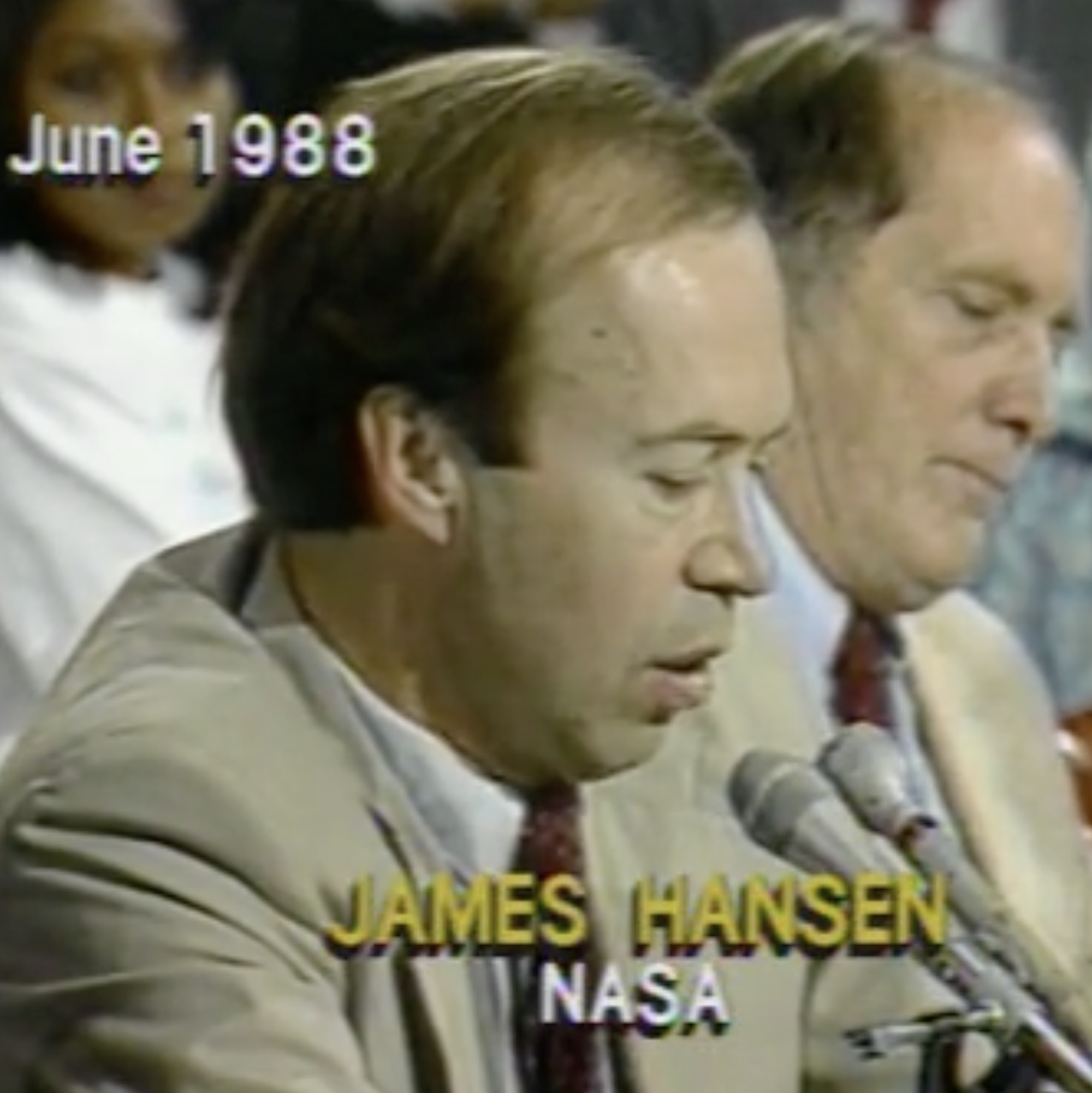 A NASA Scientist Explains Greenhouse Effect (1990)
 A Skeptic Criticizes the Theory of Climate Change (1997)
 The Impact of Rising Sea Levels on Coastal Cities (2018)
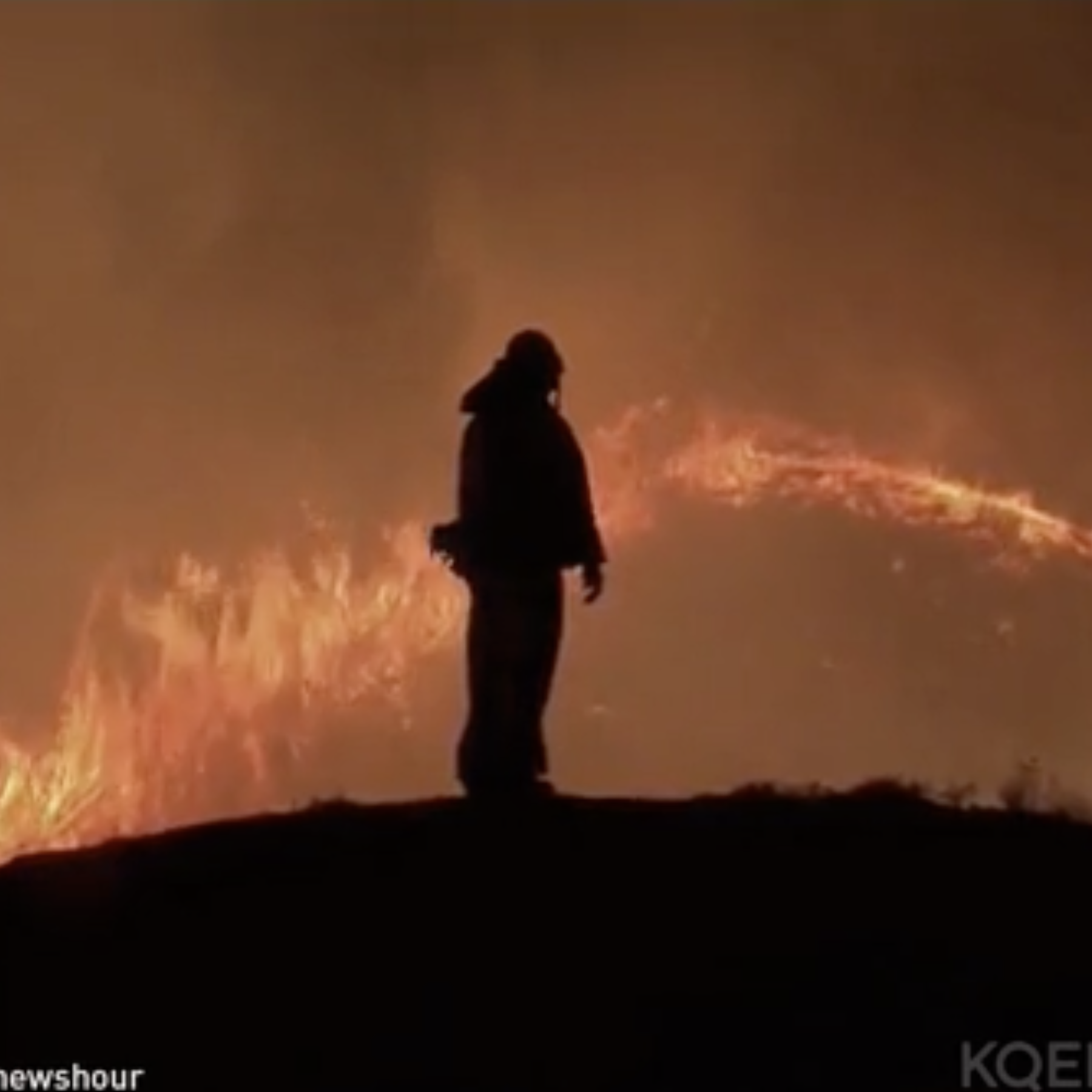 Climate Change and the Threat of Wildfires (2017)
 The Carbon Tax and Dividend Strategy to Address Climate Change (2010)
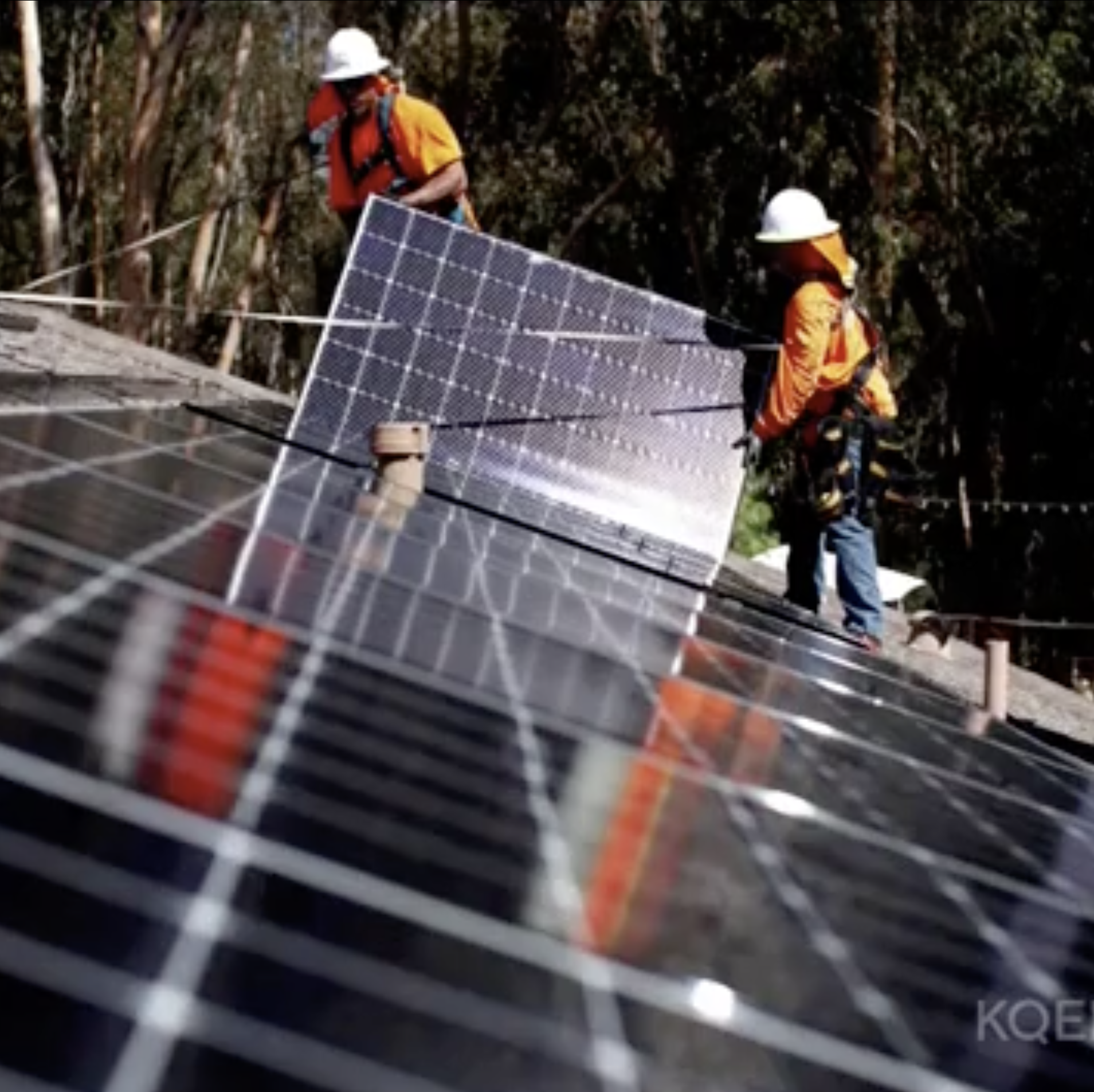 Encouraging Green Energy Adoption with Subsidies and Tax Breaks (2022)
 The Call for Profound Political Transformation to Stop Climate Change (2015)
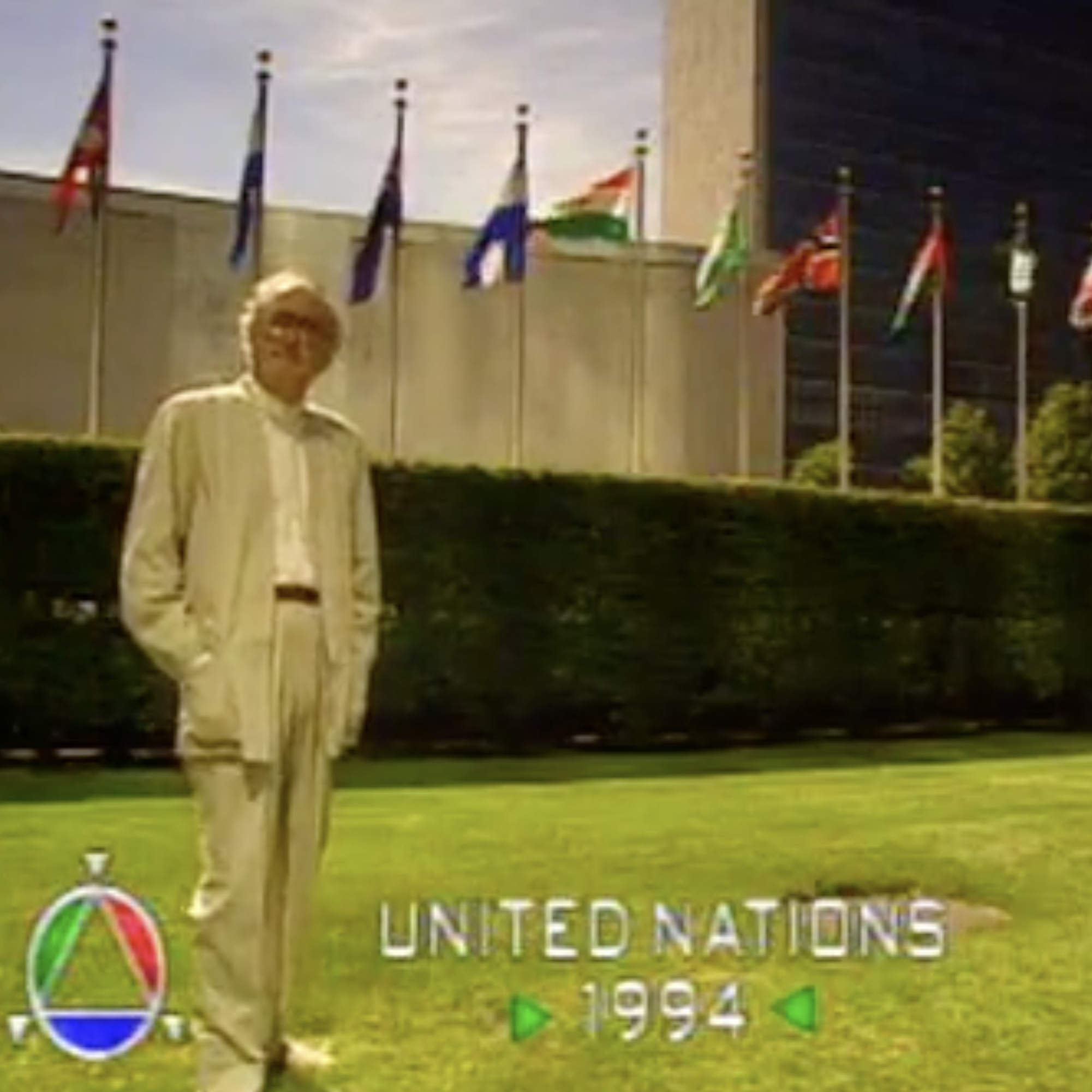 Imagining a Solution to Global Warming (1990)
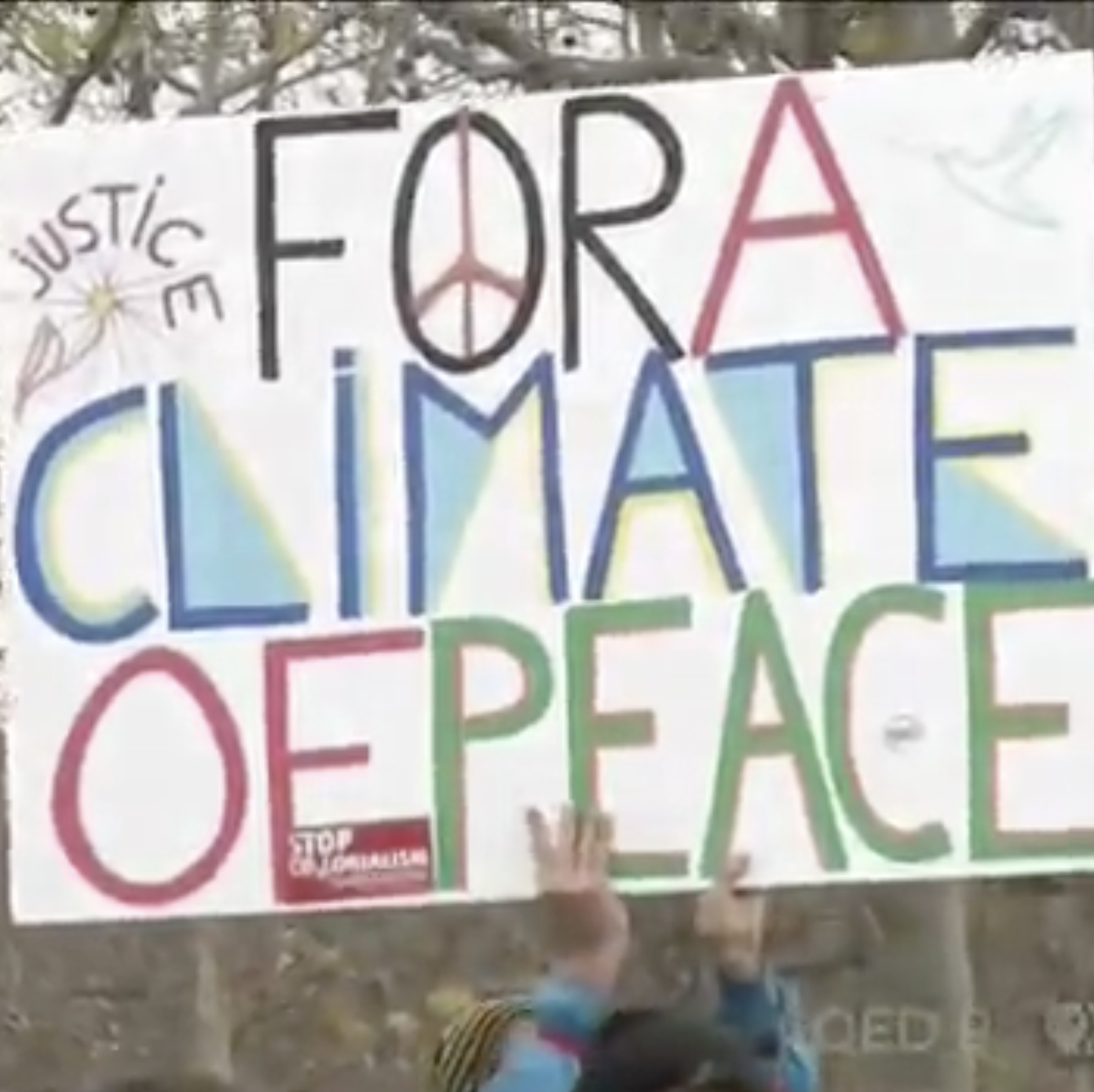 A Landmark International Agreement at the Paris Climate Conference (2015)
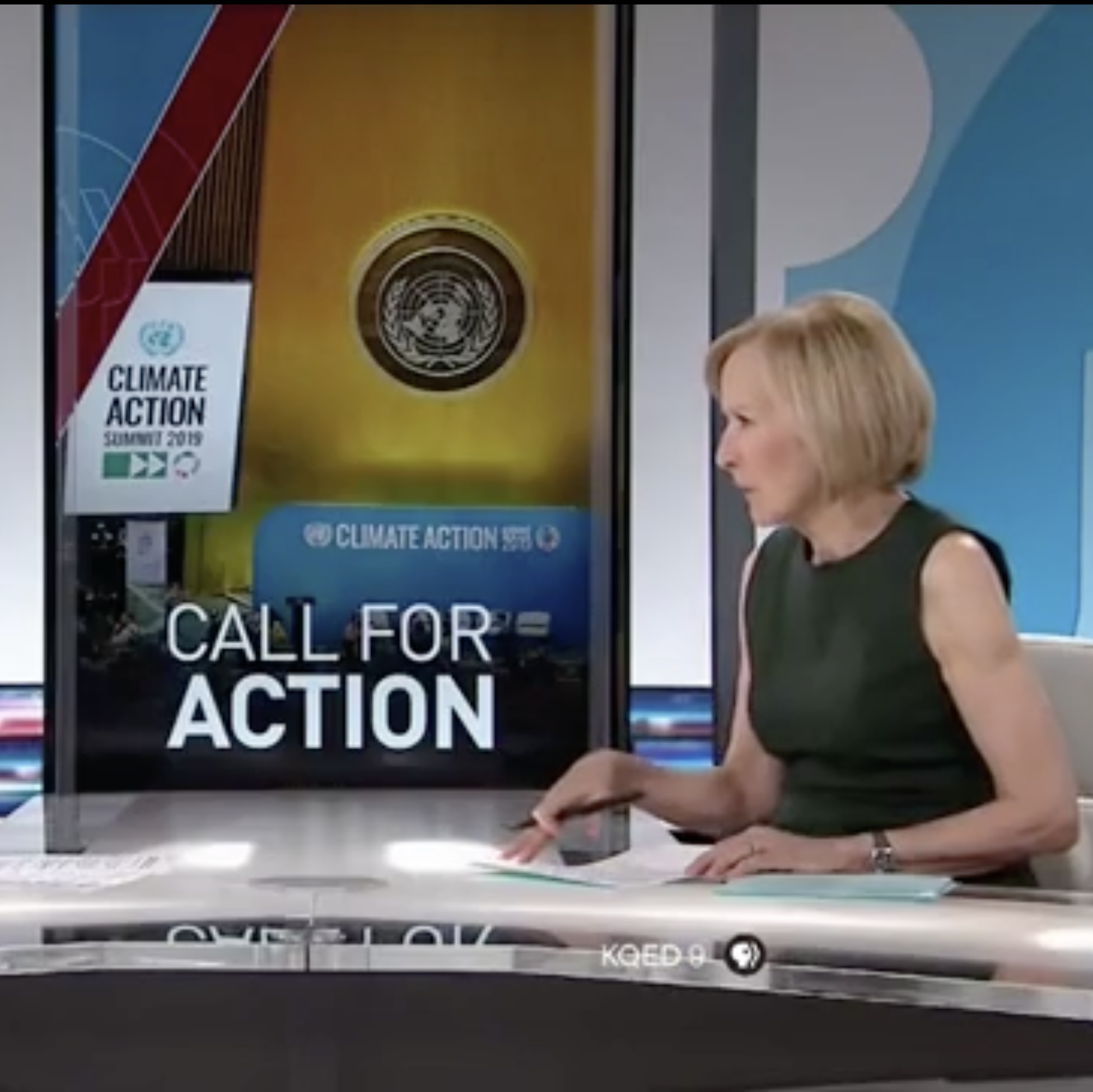 Frustration and Activism at the United Nations Climate Action Summit (2019)