Now I look at what's behind the risky mortgage's problem that has rippled through the financial world this month. Our economics correspondent Paul Somman reports. With so much in the news about the subprime mortgage crisis for closures and even threats to the global financial system, people are asking one simple question among many. How could so much money the world over have financed such seemingly lousy loans? There are lots of reasons, of course, but the one we'll focus on with the help of some low rent toys from around the house is a technique without which the globalization of the subprime housing boom would probably have been impossible. It's called securitization. We'll explain it in a bit. But first, a reminder of how home lending used to work. A buyer bought a house by putting down maybe 20% of the price borrowing the rest of the money from a bank, which had taken in the money as deposits mainly from people in the local area. The bank took a cut by charging the borrower a little more in interest than it paid the depositors.
This is the system whose virtues Jimmy Stewart so classically extolled to his Bedford Falls bank depositors in it's a wonderful life. With Stewart's bank in between. And that's pretty much how it was right up through the savings and loan crisis of the late 80s. The last time we used Jimmy Stewart on the news hour to explain the way Bank used to be. So what was new this time around? Well, with the end of communism, the globalization of China, India and the like continuing prosperity in the US and Europe, there was way more wealth in the world to be invested. Why not lend some of it for mortgages in the United States, where housing is the collateral, continually rising in price, and the interest rates are pretty high. But you don't do that through Jimmy Stewart's bank.
Instead of banks like the Bailey building and loan, the main way to get money from lenders to borrowers has become securitization. To help us explain it, wells the economist Karl Case securitization. What's that used to be that when you signed a mortgage and borrowed money, the bank could put the paper in its vault and held it. Now almost all mortgages are sold in the secondary market. Wall Street firms package these mortgages up and then issue what are called mortgage back securities against them. Securities are what's so called secondary markets typically trade. What investors get when making their investment is stock, a bond, a futures contract, a share of a pool of mortgages, which is called a mortgage back security. Some pools are guaranteed by quasi government agencies like Fannie Mae for example, but more and more the mortgages have gone straight to Wall Street. Safe Professor Case works for a Wall Street firm. So if I buy a mortgage back security from you, the collateral is the mortgage you're holding and you're paying me an interest rate for my buying the security. That's exactly right and I pay you a little less than I'm getting.
So I just have in effect paper promising me an interest rate backed by a whole pool of mortgages of varying quality. Some mortgages that is more likely to be paid back than others, such as these generally held by folks with the worst credit. Many of these are the subprime mortgages you've heard so much about, but the mortgages are all pooled together. Then mortgage backed securities get issued against the whole pool, risky mortgages, safe ones, the lot. Now the beauty is that I, the investor, can pick the interest rate I want. If I don't want to take much risk, a low interest rate. A little riskier, a little higher rate, and if I'm willing to take the riskiest bonds, it's so called B minus as Professor Case. You might get paid 18% for buying those, but you agree with the other pool holders that you're going to take the first losses. That is to simplify. When some of these mortgages go belly up and stop making payments, then there's less money coming out of the pool for the mortgage backed securities. And those of us with a riskiest securities get crunched. Our payments stopped.
When you're wiped out, it goes to the B people. Triple B and so forth. And then when they're wiped out, it finally gets to the A minus and the A. So there are different kinds of bonds against the same pool. Some people accepting a lot of risk, some people not. So if I'm a conservative investor, I take a low rate of return, but I'm the last guy standing after all these four closures and defaults. That's exactly right. So there are layers of risk being passed all around presumably to people who want to take that risk in exchange for a higher return. But what risk? It was a virtuous circle, ever rising prices, ever more home buyers, ever more investors. From US hedge funds and European banks, says case two for the Chinese and the Russians and people from all over the world. But why would the Chinese say invest in something as risky as a subprime American mortgage? Well, we didn't perceive them to be so risky a few years ago, right? And in a rising housing market, there are no losses on these things.
And so you get the impression from looking at the performance of the last ten years that you're getting a pretty good return for a level of risk that's quite low. Indeed, hardly anyone appeared to think this stuff risky. Consider the hype on cable TV where one could watch folks flip this house on A&A, flip that house on the learning channel, buy and sell on house and go. And sell on house and garden TV. Even PBS got into the act with pledge specials around the country, featuring financial gurus like Robert Kiyosaki, here on his own website, pushing real estate investment, where you don't even live in the home you're buying. Meanwhile, the explosion of mortgage-backed securities made home-buying and refinancing more affordable for everyone, including unsophisticated first-time buyers. Easy prey for brokers who'd often lend them more than the house was worth, with little or no down payment and low-so-called teaser rates for two years that would then readjust dramatically upward, the monthly payments ballooning. The brokers would slip in all sorts of fees, then sell the mortgages more and more of them subprime to Wall Street to securitize.
Now, the teaser rates have expired, mortgage payments are ballooning, and homeowners across the country are being squeezed, their houses snatched away from them. Many of the brokers, meanwhile, have taken the money and in some cases run. Is this securitization's fault, though? Doesn't it just transfer risk to those willing to take it?
 “Unemployment and the Economic Impact of the Great Recession” (2009)
 The Federal Government Responds to the Financial Crisis (2009)
 “Tea Party Activists Rally in Washington, D.C.” (2009)
 “Tea Party Activists Protest ‘Obamacare’” (2009)
 Tea Party Candidates Challenge the Republican Establishment (2010)
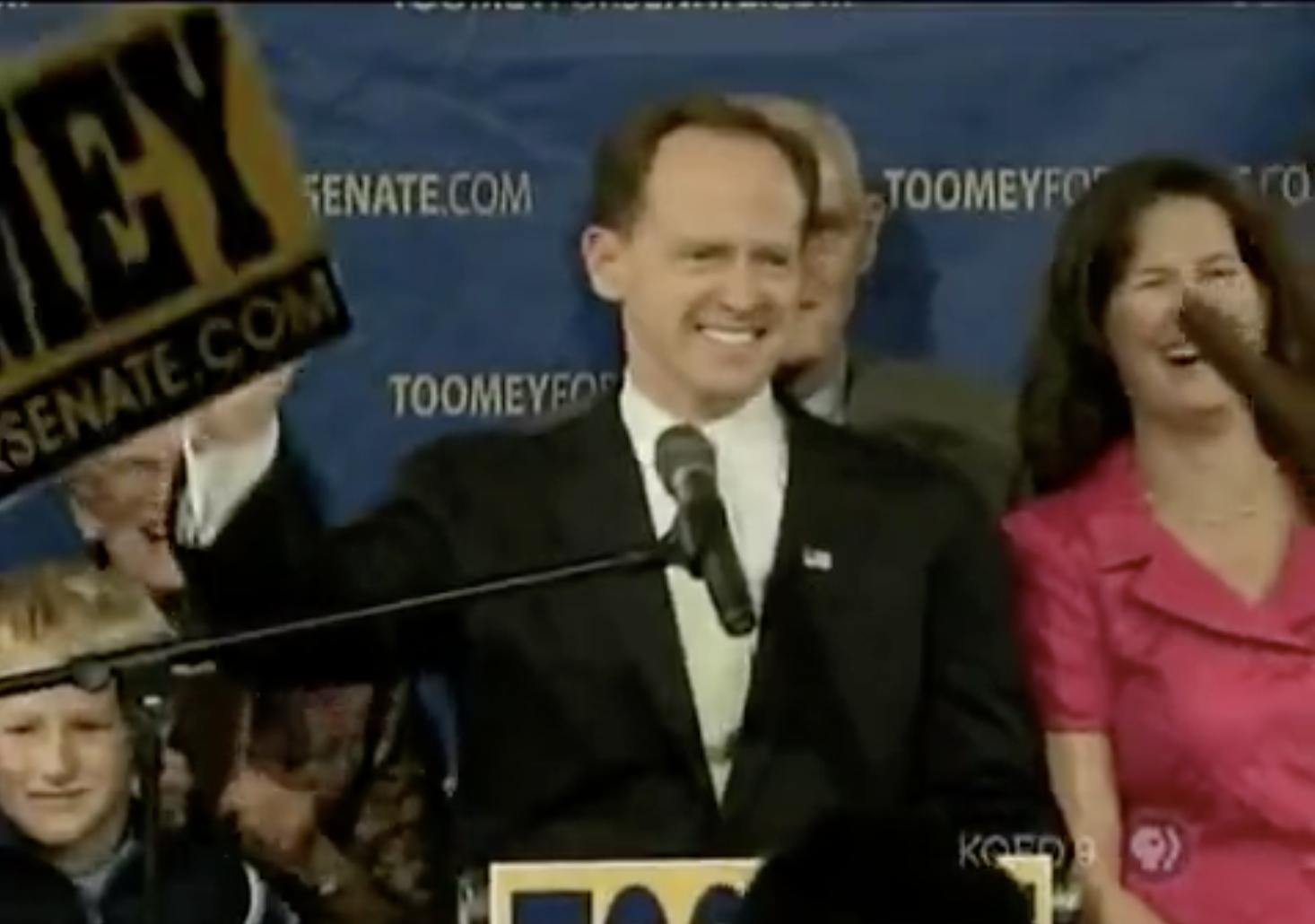 The Tea Party Wins Political Power (2010)
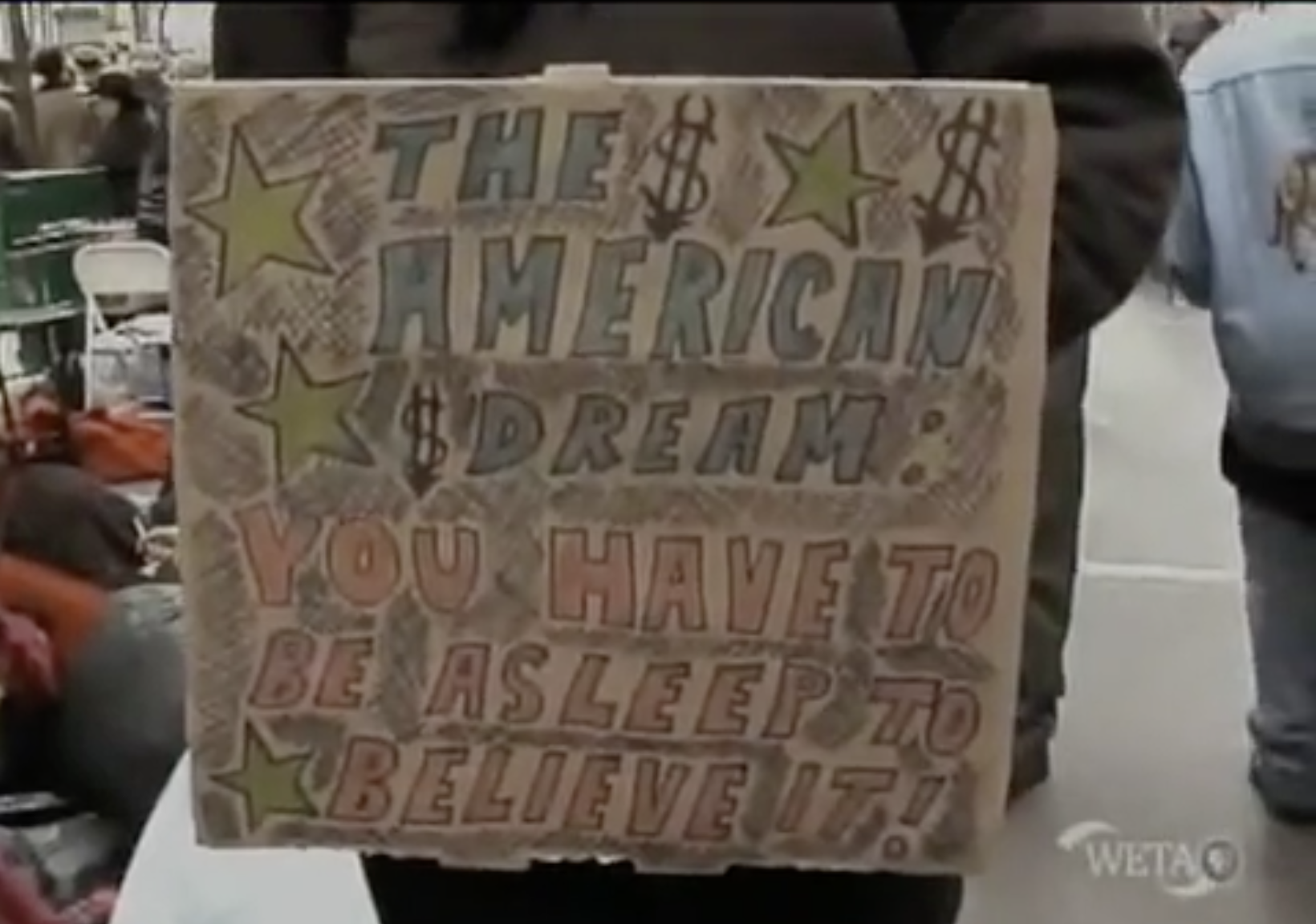 The Occupy Wall Street Movement Emerges in Zuccotti Park (2011)
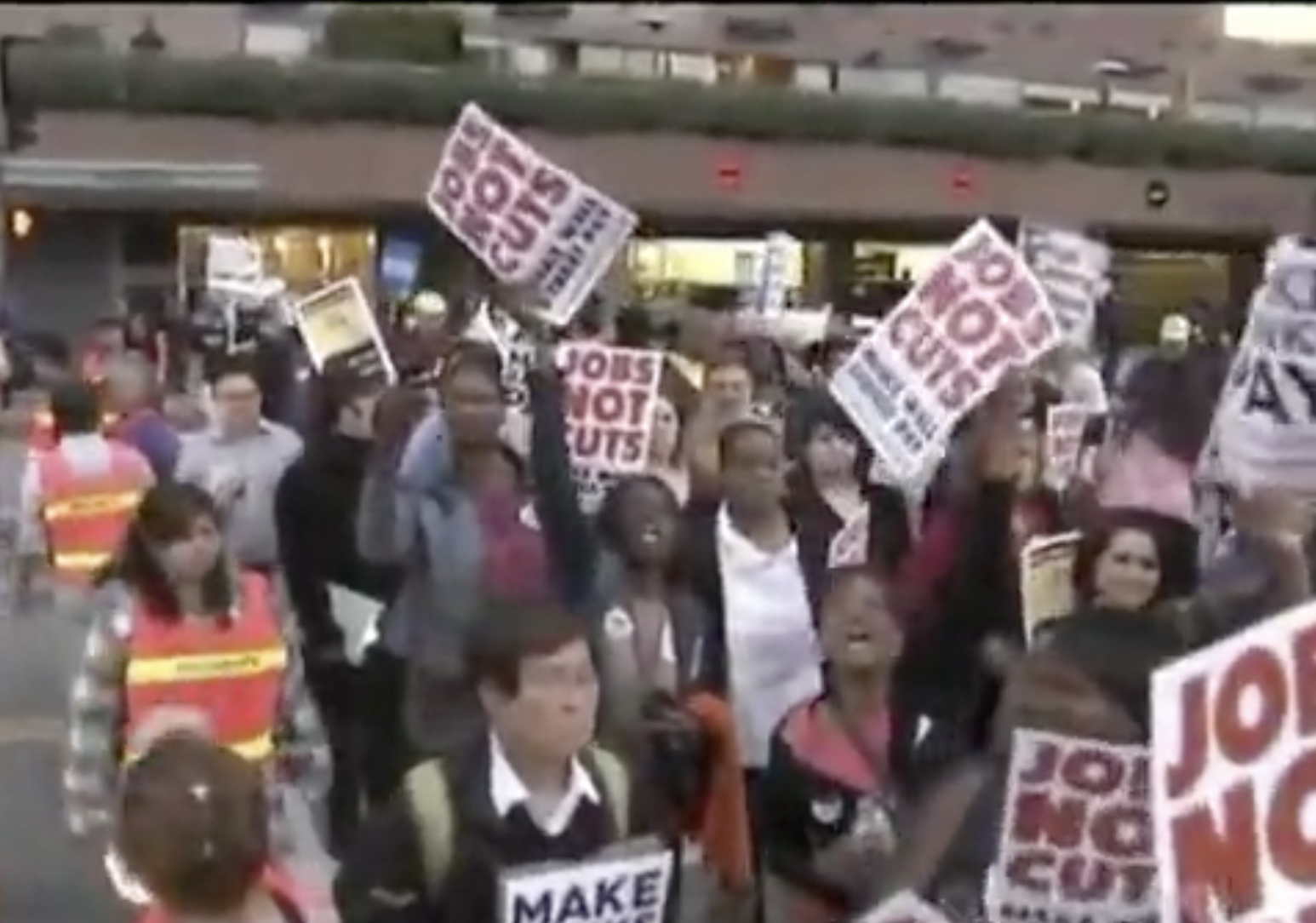 The Occupy Movement and City Authorities in Conflict (2011)
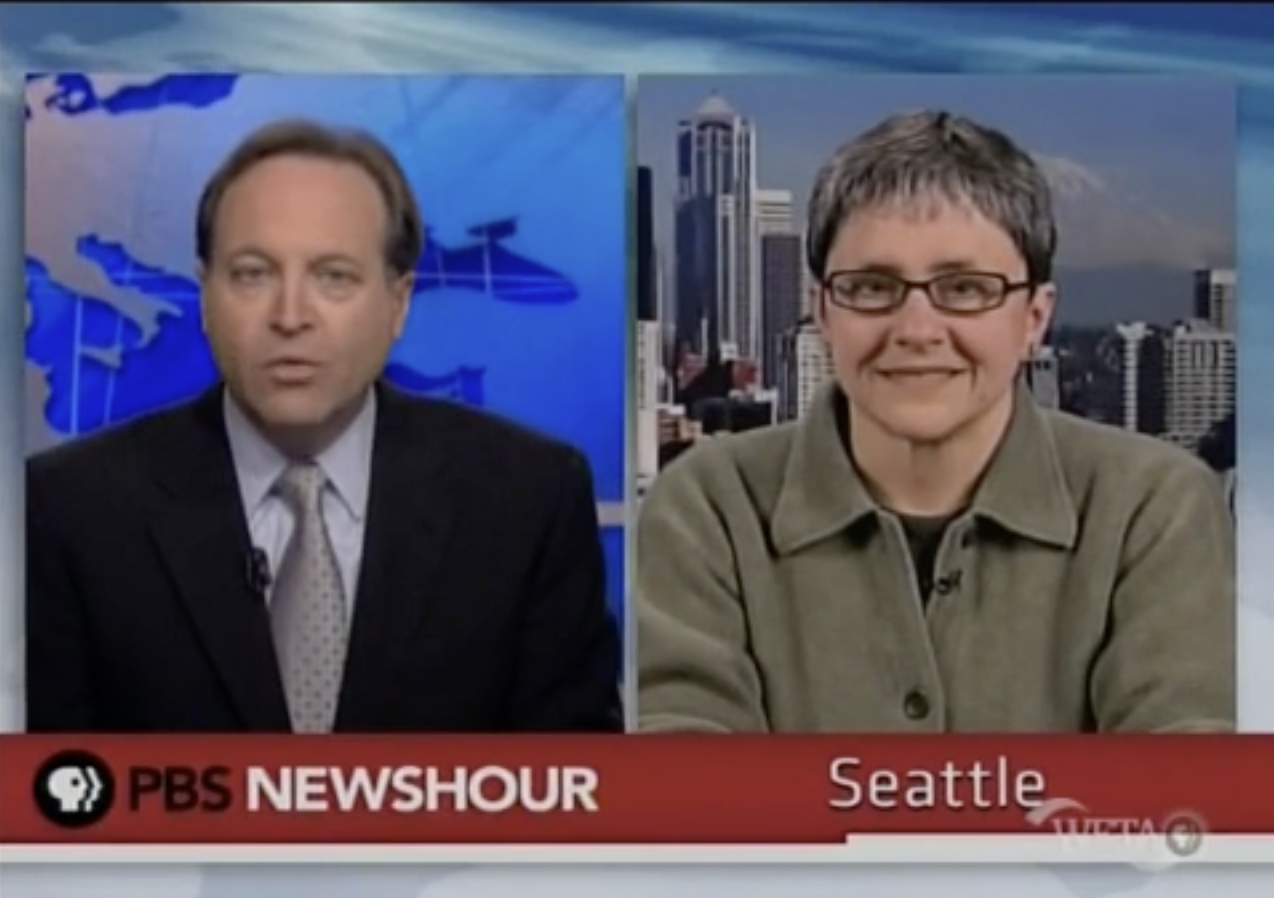 Political Commentators Assess the Potential and Limits of the Occupy Movement (2011)
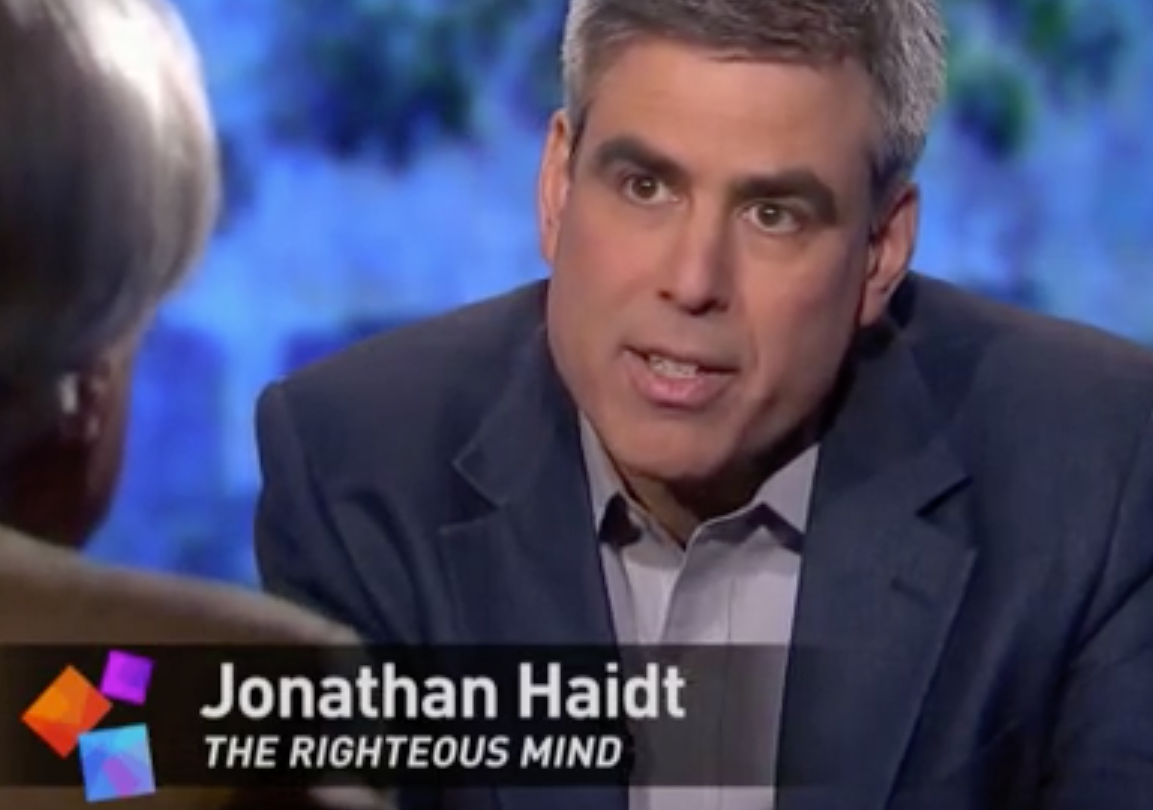 The Moral Foundations of the Tea Party and Occupy Movements (2012)
 Leadership and the Tea Party and Occupy Movements (2011)