elected official failed. And one uniquely anti -gay city charter provision was repealed. The widespread attribution of Republican gains to anti -gay sentiment began even before the Bush victory had become apparent in the returns and national lesbian gay organizations are generally contesting it. It's based primarily on an exit poll in which more than one -fifth voters picked moral values as their leading consideration in the presidential election, ahead of the economy, terrorism, the war in Iraq and education. Among those moral values voters, four -fifth supported Bush, the activist groups say the category is too vague to be equated directly with Les Bygay rights. It's even more doubtful it equates directly with marriage for gay and lesbian couples since exit polling also found 25 % support for marriage equality and 35 % support for civil unions versus only 37 % opposition to any legal recognition for same gender couples. Also, in the states with constitutional amendments against marriage on the ballot, quite a few Bush
voters were among those who skipped the marriage question entirely. Plus, of course, the only meaningful difference between the presidential candidate stated position on the marriage issue was with respect to amending the national constitution to exclude same gender couples, which carry opposed and Bush vocally supported. Last week, Bush even said he believed states should be able to establish non -marital legal status for same gender couples disputing the Republican Party platform that opposes any form of legal recognition for them. Yet, it's generally agreed that in a close election with a high turnout, the marriage issue served its purpose of actually getting the religious right to the polls, particularly from rural regions. In fact, it may have made more of a difference in some races further down the ticket than it did in the Bush victory, just as it did in giving Republicans control of the national legislature in the 1990s elections that gave Democrat Bill Clinton the presidency. The new Republican U .S. Senators all apparently benefited from anti -gay campaigning, although actual anti -marriage amendments were on the ballot in only two other states. In a rare outcome, the Democrat Senate
Minority Leader Tom Dashel was dumped by a South Dakota constituency in favor of Republican John Thune and Evangelical Christian who warned that schools would be teaching that same gender marriages were the moral equivalent of heterosexual ones. South Carolina's Senator -Elect Jim DeMint declared in one of his campaign ads that government cannot approve and promote homosexuality, and added in debating his opponent that he believed gay should be banned from teaching in public schools. Florida's Senator -Elect Bill Martinez called his Democratic opponent the new darling of the homosexual extremists, apparently your reference to Congressmember Bill McCullum signing on as the sponsor of a federal hate crimes bill. In the amendment state of Oklahoma, Senator -Elect Tom Coburn not only labeled what he called the gay agenda as the greatest threat to our freedom we face today, but said in the speech that rampant lesbianism had forced some Oklahoma schools to allow only one girl at a time to use the bathroom.
The Kentucky Marriage Amendment is credited with helping Jim Bunning squeak out a narrow victory for the U .S. Senate on behalf of the former baseball pro Republican State Senate President David Williams underscored the Democratic candidate's bachelor status and described him as limp -rested. There was little doubt of the success of the anti -marriage amendments to 11 state constitutions, les by gay groups concentrated their money and resources on opposing the one in Oregon, where anti -gay ballot initiatives have been defeated several times in the past. The debate there had been advanced by licensing of hundreds of same gender couples in Multnomah County earlier this year, and by attendant lawsuits that seem to have a good chance of winning marriage equality. The activists' work may well have significantly diminished the vote spread, but the Oregon amendment still won 57 % support. That was the smallest margin of victory for any of the amendments followed by Michigan at 59 % and Ohio at 62%.
Montana and Utah voters approved their amendments by two to one margins, while Arkansas, Georgia, Kentucky, North Dakota, and Oklahoma affirmed theirs by three to one. The most enthusiastic marriage manners were in Mississippi, where more than 85 % of voters agreed. Voters had approved anti -marriage amendments earlier this year in Louisiana and Missouri, while they were already in place in Alaska, Hawaii, Nebraska, and Nevada. Of the current crop, only the Mississippi, Montana, and Oregon amendments are restricted solely to marriage. The rest equally prohibit civil unions, while Ohio's denies any legal status whatever to all unmarried couples. The Ohio measure explicitly denies joint adoptions to unmarried couples, and some believe it could even bar private employers from extending benefits to their workers domestic partners. Only a series of legal cases were revealed the real impact of these measures beyond keeping legal marriage hetero -exclusive. Law suits challenging the Georgia and Oklahoma amendments are already underway,
and challenges to others are being contemplated. Most of the amendments had already been the subject of extensive litigation as civil rights groups attempted to keep them off the
 1970s LGBTQ Rights Advocates Make the Case for Marriage Equality (1974)
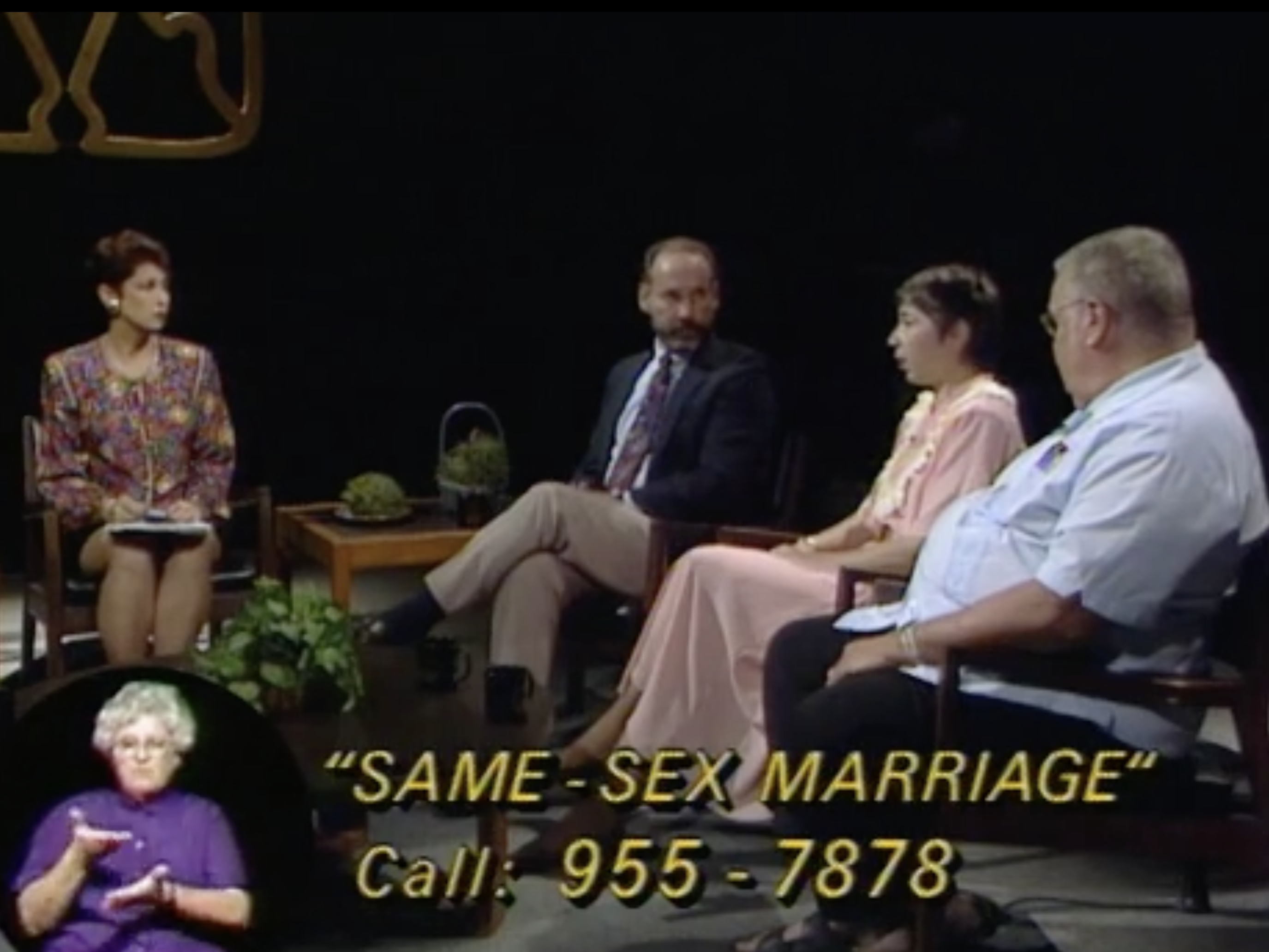 Two Reverends Give Competing Views of Christianity and Marriage (1994)
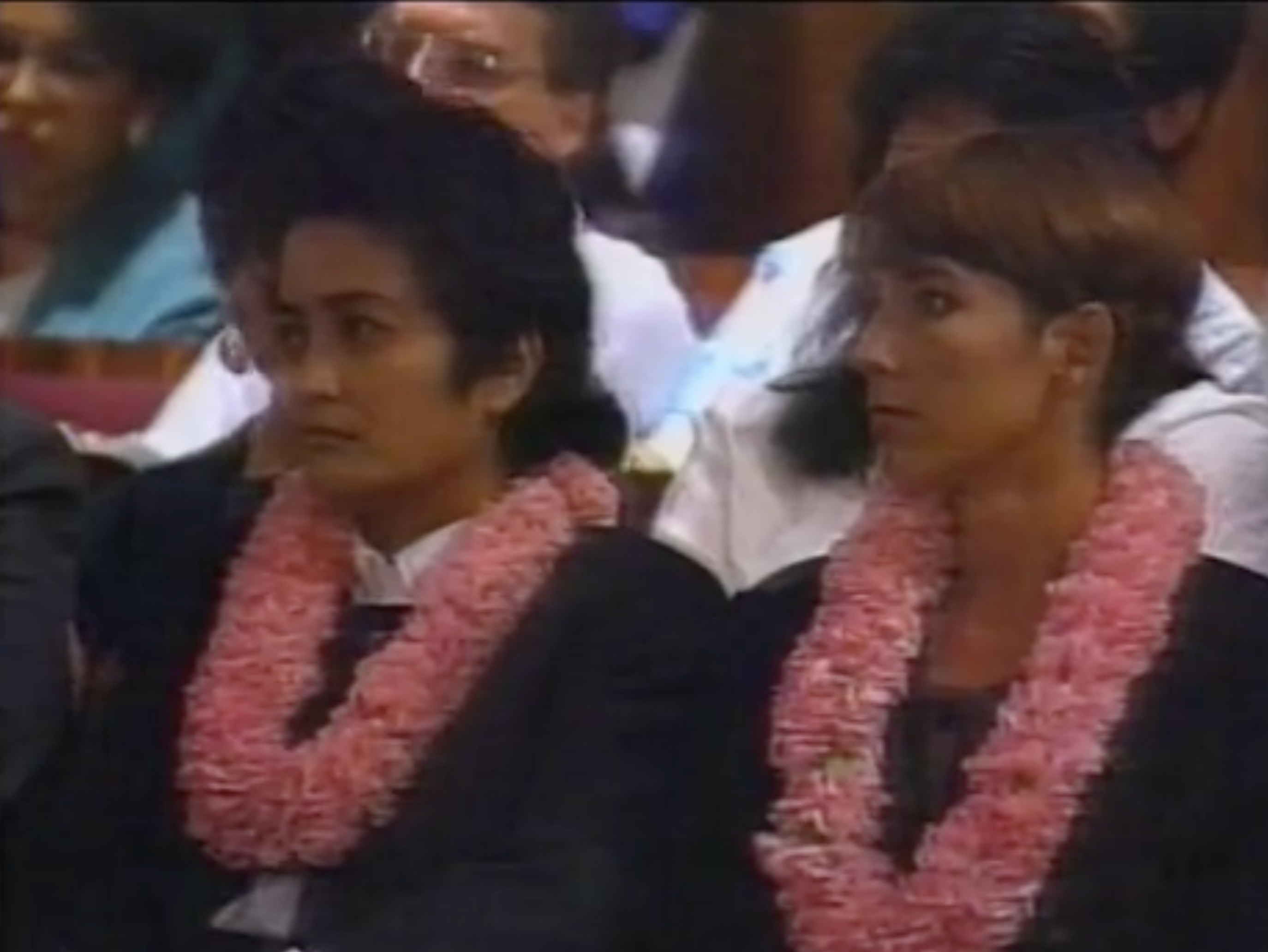 Hawaii Court Decision Puts Marriage Equality in the National Spotlight (1996)
 Same-Sex Couples Sue for Marriage Equality in Massachusetts (2003)
 Massachusetts Ruling Shakes Up Marriage Equality Debate (2004)
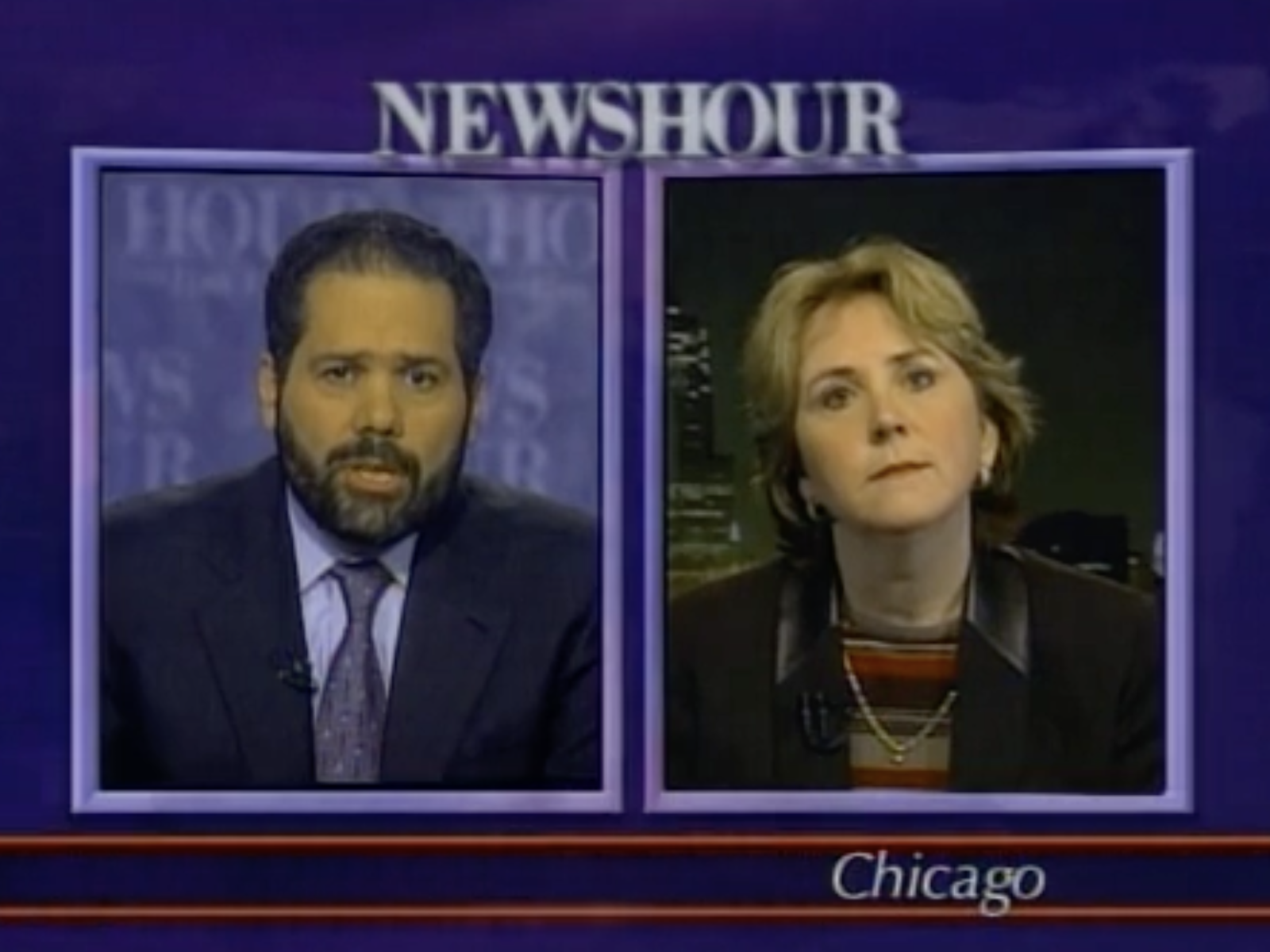 Dueling Advocates Make Mainstream Appeals on Marriage Equality (2004)
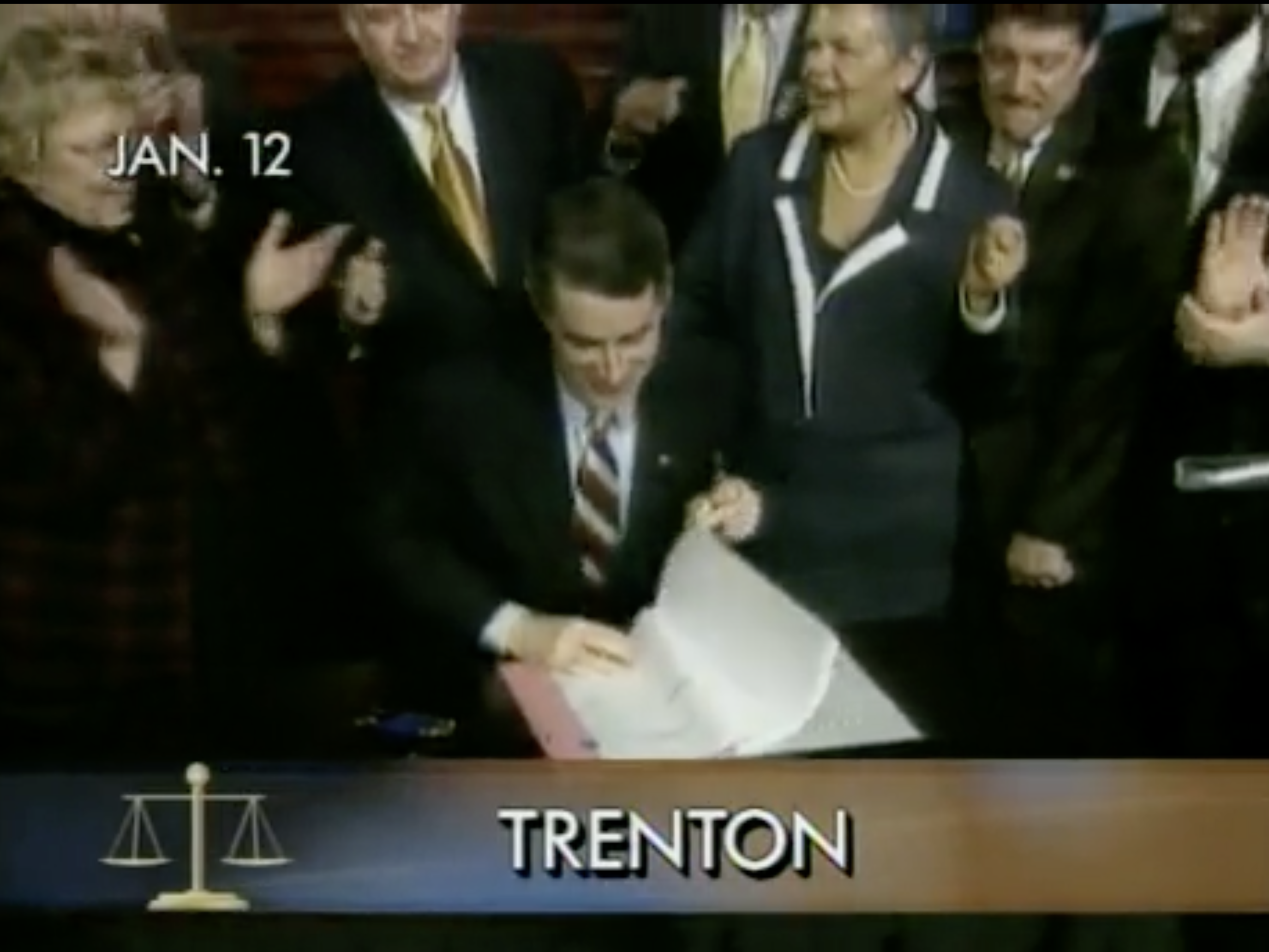 Same-Sex Couples Sue for Marriage Rights in New Jersey (2004)
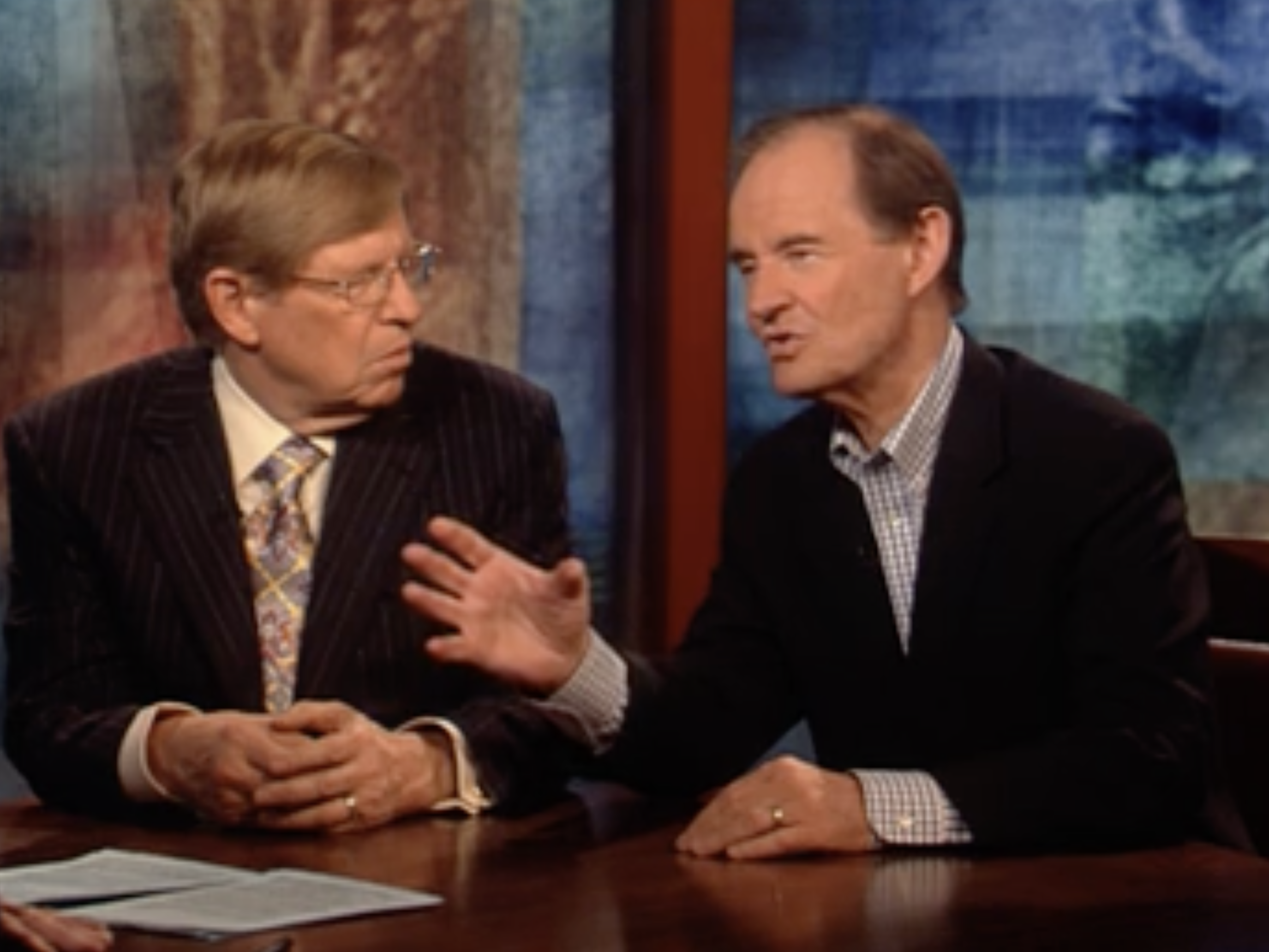 Two Lawyers Make the Legal Case for Marriage Equality (2010)
 President Obama Comes Out in Favor of Marriage Equality (2012)
 The Obergefell v. Hodges Decision Legalizes Same-Sex Marriage (2015)