New Mexico in Focus; New Mexico In Focus #403; 403; Outgoing Education Secretary Veronica Garcia
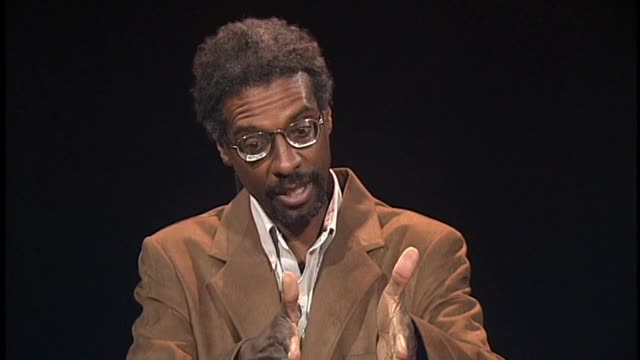
- Transcript
Partial funding for the production of New Mexico in focus provided by the McEun Charitable Foundation. An office shooting leaves the community shocked in saddened. It had this week opinions about what lessons can be learned from the tragedy. Plus outgoing Secretary of Education Veronica Garcia reflects on her accomplishments and talks about the challenges New Mexico still faces in the classroom. One person can't do this by themselves. It takes coalitions, it takes collaboration, it takes partnerships. It's all coming up next on New Mexico in focus. Veronica Garcia is the first and only education secretary the state has ever known. Governor Richardson created the cabinet level position back in 2003 as an alternative to the previous model of a state board of education. Garcia retired at the end of June after a 10 year filled with many challenges including disappointing test scores, high drop out rates, and most recently serious budget cuts. This week on New Mexico in focus we sit down with Secretary Garcia to find out what she sees as
her biggest successes and failures. We'll also find out what advice she has for the people that will be picking up where she leaves off. Also on the show this week the debate over whether or not to put a temporary moratorium on new charter schools in New Mexico and the NAACP goes on the attack against some Tea Party supporters. But up first an office shooting in Albuquerque early this week has rocked the state. Three people died in the shooting including the gunman and for others were injured. In the wake of the tragedy concerns are now being raised about everything from domestic and workplace violence to police procedure. Our line panelists have a lot to say about the incident and what lessons the community should be prepared to learn from it. Our regular panelists are Sophie Martin all around social media networking expert. You can catch her work on dukecityfix .com and on the website the faster times. Laura Sanchez in environmental lawyer with the natural resources defense council. She's also the former executive director of the state Democratic Party. Jim Scarantino is off climbing the mountains in Colorado this week but filling in we have Colin Hunter. He's been here before he's an attorney
and a former legislative director for Congresswoman Heather Wilson. And we're also happy to welcome back John Newdson otherwise known as Johnny mango in the blocking community. His work is also featured on the weekly. So that's not weekly it's every bloody day duke city fix. All right now there's so many different angles and perspectives to this still developing story guys but Sophie let me ask you. On the issue of domestic violence first we can talk about what happened at mcore a little bit later. But you just your heart just breaks when you think about that this woman knew something was up she had told people. And this is the great gap as we understand it between when a woman knows something is going to happen. And law enforcement says basically look until something happens. It's a difficulty to put those kind of things together. You know Gavin DeBecker who's a who's a security expert for the stars and I think he's worked with the Supreme Court and others. Talks about one of his books The Gift of Fear about how that gap can be quite dangerous for women. And one of the things that can make it very dangerous is that is that actually going and taking out a restraining order which is what the police often
suggest can be the thing that is sort of the inciting incident. And we look at a situation like this one in which we really don't know what it was that in this gentleman's mind what set him off. But I think it the issue goes beyond just how do we how do we help women bridge that gap it's also how do we help them to do it safely in a way that doesn't expose them to further danger. Johnny you know you've been around I'm going to say a public setting schools as a school teacher things like that. And you're talking about a workplace and this is a place that had good security had you know they knew who he was. This was a former employee but yet and still we have a great tragedy. And so it's not enough to say you can't stop these things there must be a way it would seem that we can get tighter on potential. But is there a line between you know upsetting someone civil rights and protecting somebody else. Well you know I think there's just too many guns out there my it's my opinion. And I think that if a
woman or a man they find themselves in a tempestuous relationship when things get better during a good time in that relationship they ought to make an agreement to give rid of the guns in the house so that nobody runs out and it wouldn't stop everything but it might stop some some some people from getting hurt because it's just too easy. Too easy it's like a video game you point your finger and and bend it and the other person's gone you know it's just awful. Laura you know I've read lots of stuff about the science of this and how do you determine profile wise who's potentially going to do something horrifically like this. And again this is another big gap you just don't know where someone's at so you know the signs quote unquote that's a difficulty for us to get through. Absolutely I think I think it's a very difficult and it's also very it's a difficult thing to generalize I don't know that it's as easy as to say well if you see these characteristics then this is what the appropriate response to that would be. I think there is a fine line and I think there's a danger in violating civil liberties to a certain extent
if you end up or extending some of those policies and then you know taking out a restraining order is one procedural safeguard of course but a piece of paper is not going to stop somebody if they're intent on harming a person. And then it's also very easy to obtain a easy in the sense procedurally it isn't very difficult to show a restraining order to be able to get one they often are misused I mean there's incidents of them being misused in situations for retribution and other things so I don't know that that's exactly the fix but one thing is for sure what I found interesting was when the neighbor that was interviewed in that situation was quoted as saying that she'd never seen any kind of violence nothing seemed out of the ordinary and that's not unusual in a domestic violence situation. Where there's a control issue there's a basically an abusive controlling situation going on in the victim often is not necessarily displaying a lot of the signs publicly. There's shame involved there's a lot of privacy issues there's just a lot of issues going through with the victim and often the the the abuser is not is very good at not displaying that sort of behavior publicly. And so I think it becomes very very difficult to for
outsiders to identify including police and I think one of the important things to do is to recognize that when when a victim is actually at the point where they're starting to share with their friends and loved ones or others or people in the workplace that they're concerned for their lives that they that needs to be taken very seriously and I think hopefully they'll be a thorough investigation about the policies and what the employer knew but I think for employers in general it's really important to take those kinds of concerns anything that gets heard very seriously and start to impose or. Or develop policies to address that sort of behavior. Sure, sure, sure. Call them good to see again, collect your back under difficult subject I apologize but that's that's how the nature of the news works I guess. And you know Laura makes a good point about the workplace in you know bosses HR people folks how do they fit into this whole this whole thing. There's nothing that I've heard either policy law enforcement wise or what the business did that this was preventable I don't think you can restrain somebody from future acts without some reasonable basis. I think
it would be an unfair infringement you know there are just unfortunately tragedies I will offer a counterpoint to Johnny's point about too many guns you know could be said that there's not enough guns. Because I do remember an incident two or three years ago at a Walmart where it was another domestic violence situation and the mail went to attack a female employee at Walmart and was actually stabbing the woman and was shot dead in the store preventing a tragedy. That person was a legally licensed gun carrier and actually was the person that stopped that. I think so I think this country that likes guns you know it's a civil liberty that a lot of people value but you know there would be a possibility if they had armed guards where it could have been you know prevent it or at least mitigated. But I will say also commenting on APD and BCSO's response I think it was you know they have a you know
first person there goes in which I think is courageous and it's the right thing to do. The tragedy could be a lot worse I think from what I've read the person didn't actually kill himself till they he knew that there was officers inside the building. So you know they didn't wait for the SWAT team to get there they went there they entered which I think is you know they knew shots have been fired both courageous and I think it is a good policy that both APD and BCSO have you know what Colin Biden for example they sat on the outside why you know two individuals went on a rampage so I think both of them acted appropriately and it could have been a much worse tragedy than it was. Also from what I read he still had a full clip of ammunition so horrible tragedy could have been worse I think law enforcement did everything they could I can't see of a policy a business policy or a law enforcement social policy that could have presented prevented this just a tragedy. There are two things I want to express some disagreement with
and one is this I am concerned in the last media reports that I that I have read that I've watched that we don't seem to know where this gentleman actually got his gun and it should not be so easy to get a gun. You know we do have licensing laws in this state we do have requirements in terms of how you require guns it it shouldn't be a situation in which we can't say we know exactly where that gun came from we know exactly what how he acquired it. I think the other thing too though is that a company can take steps to put policies in place that encourage people to to disclose information to share information when they hear that a colleague is potentially in danger. That you that you can do that and it's interesting I know that doctors are now being trained to ask do you feel safe in your home. That that has become a more open conversation in some environments and I think to Laura's point there is a lot of shame around domestic violence when you are the victim and creating an environment even in the workplace. It's
not just a safety issue for the person as we see from this incident it's not just a safety issue for the person who is in that most immediate dangerous position but it is a safety issue for the entire company. One of the things that we do know pardon me is experts in this field will tell you that when the abuser understands that their control using your word Laura is actually over. When they have lost that control of that of the victim that that is exactly the time when the worst happens there's something that happens in that exact moment but I put that out there but understanding it's very hard to determine that unless the man or one says straight out I have lost control of you in that kind of thing but that we do know that's the actual psychological part that that causes these things. And I think there's a lot of gaps in the entire situation. Is it a mental health care issue? Is it a law enforcement issue? I at this point don't have any reason to believe that and just to clarify I
certainly don't suggest that there was a failure of the employer at this point. I'm just saying that hopefully they'll be more information shared but I think out of a tragedy like this we can at least learn and try to take something from it that's productive and useful and I think that even just from a business standpoint I teach business on ethics at Highlands and I also teach a class on employment law. And just from a preventive unemployment good workplace perspective to have policies that encourage open communication where perhaps the potential victim could feel more comfortable at work sharing this with somebody. I think in that situation you're encouraging openness it's really a business value in some ways. You're valuing your employees and potentially preventing something much more tragic to occur. So I think that I certainly don't want to suggest that there was some sort of failure at this point I think that would be premature but I do think that other businesses should take any kind of a potential concern something that gets reported very seriously and make sure that there's policies to address that if
that's something that occurs in your workplace. Especially if you've got a big head count it's a big shot you know what I mean you've got a couple hundred if not more people these things are very tough to track but you're right I think that would be a reasonable way to go. Now we've got much more still to come this week on the line our panelists are ready to sound off on the new push to put a halt to the creation of any new charter schools here in our state. We'll also get their take on the recent dust up between the NAACP and Tea Party activists. I would say the racism associated with the Tea Party is overblown. What would stop the Tea Party from coming out with a plank on their own platform and saying this will not fly? We don't have to do not support this we're about small government we're about other things. I think it's about how they did that. Up next on the show our candid conversation with the now former Secretary of Education Veronica Garcia her last day in the
job was June 30th. Secretary Garcia was appointed to the position shortly after governor Richardson created the cabinet level department in 2003. She's overseeing many changes in our education system and faced many challenges at the top of the list have been our state's perpetually low test scores high drop out rates and ongoing budget struggles. The state has seen improvement in many areas in recent years but it hasn't been enough or as fast as critics would like. New Mexico and focus correspondent Tracy Dingman sits down with Secretary Garcia to get her take on the job she's done at the head of the education department as well as the obstacles educators must still overcome. So why are you leaving now? Well it's a combination of personal and professional one we're at the end of the term. I wanted to stay longer but my mother became ill she's 85 and I needed to spend more time with her taking her to doctor's appointments and I cook for her and just help her out.
So that was the predominant reason I also was hired as the senior vice president for Hispanic information television network I'll be their chief academic advisor and officer rather. That's a part time job which fit with what I needed it's a flexible schedule I work telecommute from home so it allowed me the opportunity to be able to take care of my mother and still be able to work part time so just a combination of things that all came together at the same time. But it's been hard I really miss my staff and I miss the work miss the people. So looking back on the seven years what do you think have been your biggest successes? Well I think about successes I can't think about them in terms of my successes but rather the collaboration working with Governor Richardson and his ideas tell me take an idea to him. He say sure let's do it you know he was you know very supportive in that way
working with a legislature my staff all of our business all of our business partners education partners all of us working together we implemented what I think for the first time that I remember in at least the last 20 years or so. A very comprehensive at reform agenda that we called making schools work and that at reform agenda was comprehensive we looked at early childhood so part of that was pre K and kindergarten plus those kinds of programs ensuring that you know we had teachers prepared to teach an early childhood we looked at healthy students we know that students needed to have to be healthy if they're going to be able to learn. We double the number of school based health clinics we brought back elementary PE we took junk food out of schools high school redesign was very exciting dual credit came with that changing graduation requirements raising the rigor some people have confused when we say college ready that we think a baccalaureate degree college ready
means that you're ready to go on to a community college even to be able to get a certificate as a welder or electrician. You have to have basic reading and math skills to be successful even an associate's degree program so we created different learning requirements where students have to take an AP class or a dual credit course or an online course the number of students taking dual credit has increased dramatically and so has the percent of students requiring remediation has decreased ideal New Mexico bringing online learning to students. It's providing a more flexible learning environment for them highly qualified teachers through tert licensure our salaries raised dramatically for teachers. When we started we had close to 75 % of our teachers were highly qualified we were the rest were on waivers written 99 .6 % of our teachers are highly qualified and the graduation rate is increased. So are all of those things those
improvements are they all ongoing and will they continue after you leave. They should because they're in statute and so it would take a statutory change which could happen but yes those programs should stay in place and those kinds of programs take time to come to fruition where you really see dramatic versus incremental gain we have been on incremental gain trajectory over the last seven years. And I believe that these kinds of efforts take a while to take root but I believe will make a difference. So what sort of grade would you give yourself and when I say yourself you know you reference the team that you work with and the rest of the department but what sort of grade would you give overall. Well I would say I would give us an A because we worked really really hard and I think that if you look back and I mean I just started to touch on some of the things that we accomplished in terms of high standards and putting in a new
accountability system and our data collection system stars turning around licenses licenses would take you know two to three months. We can get a license now in three to five days we electronic waivers but I look at comprehensively what we've done in the department in terms of you know the outcomes that we're getting I would say it's probably more of a B and I think that but that's going to take time. Okay I wanted to ask you about that because you know critics would say or critics do say that you know well we're we're spending more on education than we ever have before but you know we're still really near the bottom in you know national education rankings. What would you have to say to that? Well I think if you look at those national assessment of educational progress and where New Mexico is we are improving and we have made gains. And however we need to consider that there are other issues that impact student achievement in our state and it's like which comes first the chicken or the poverty. But if you look
at the ed weeks chances for success index they four or five main variables educational level of the parents and of the citizens as a whole and also income of parents and of the state as a whole and also access to pre -K. And so those factors really do impact a student's ability to achieve yet we know that we need more people graduating from high school and being educated in order to raise their income level so we can't use that as an excuse but it certainly is a factor. Do you have any regrets over your tenure? Is there anything that you did that you regret or that you wish would have done differently? You know I really don't live my life that way you know in terms of thinking about regrets you know we always try to continue to improve and I think that we took a continuous improvement process throughout as in the manner that we ran the department and also teaching school districts how to use quality
tools. I wish that we would have seen greater gains but I think that where the country is moving and what happens with race to the top that perhaps that might be one more piece of the puzzle that may help states make greater gains than just incremental gain. Okay let's talk about race to the top because as I understand it the second application for the application for the second go round of race to the top is pending so do you know anything about that? We won't know until September and I've told the staff they need to call me immediately and let me know because there was a lot of work and effort that went into completing that second grant. I was very proud of our educational partners in the business community legislators we had a large group of stakeholders that came together and you know I asked the tough questions do we have the political will to do what this grant is asking us to do to take New Mexico forward and the answer was yes. And so linking teacher evaluations to student performance
measuring student growth as a part of the evaluation process is obviously controversial but is something that we were committed to working towards. And you know whether that will make a big difference is yet to be seen in no one knows if that will make a difference in student achievement. Well what sort of benefits would that bring to New Mexico's children if New Mexico was one of the grantees. 75 million dollars to be used over four years to be used in teacher training and school improvement processes and also to implement these newer higher quality assessments that would be linked to teacher evaluations and coming up with the methodology to do that. Would it be actual in the classroom I mean would it be actual you know student education or would it be mostly training for teachers. It will be a combination of things you know some of this is more infrastructure money if we're talking about assessment so for talking about training but for also talking
about turning around a school it could be different reading materials or different software. So there could be impact in the classroom. So one thing that I always find interesting about education I used to be an education reporter way way back when I know you were at new futures I think at the time ago. I know I know and but one thing that I always notice is that everyone thinks that they know everything about education you know generally everyone's an agreement that education public education is a good thing but it's when you get down to the details that that's when everybody starts brawling. So you know and I know that you had your share of battles you know up at the legislature and I'm wondering if you have any advice for your successor for how to you know deal with the legislature. How to deal with the business community in presenting your ideas for sort of maximum support I guess. Well what I would say first of all to Dr. Susanna Murphy who is a secretary of designate is that first of all she has been in the
department before she was a deputy secretary in the previous administration and she's worked with the legislature so she has that experience but with that said I would say to her or to anyone who will follow her. Is that one person can't do this by themselves it takes coalitions it takes collaboration it takes partnerships and if you get people in on the ground floor when you're coming up with ideas you have better buy in. And if you have good data as to why this might be a good thing to try but I think if you have a passion for the work it can't help but excite people. So what coalitions do you think are you talking about say teachers and business community while every you know parents we worked with NEA New Mexico I'm sorry New Mexico PTA we worked with NEA which is and AFT and the federation we worked with the unions we worked with the New Mexico School Boards Association Coalition of School Administrators we work with the Char
School Coalition we worked with the New Mexico Business Roundtable for Education. The Albuquerque Chamber of Commerce Association of Commerce and Industry I know I'm going to leave a partner out here but you know working with all of those constituencies working with the LSE and the LFC and the executive you know all of those other sister agencies in state government. Great so you know you reference that you one person can't do it alone and you know when you started you were the first secretary of education replacing the statewide board. Do you feel like that's like the having one secretary in charge of education for the state is that the best model or is it better at least than the board. I think that it's more nimble I think that it's you know while you still have a public education commission and they are advisory but you work directly for the governor so the buck stops politically at the governor's desk and when you consider that it's you know almost
half the state's budget to not have the governor the executive have some say it's been helpful to the department to have a seat at the table. There's been a lot of collaboration with other agencies you know I work with the CYFD or Indian Affairs or Office of African American Affairs HSD Homeland Security Department of Health. There have been so many issues that have come up that it has been very valuable to be able to collaborate with these other state agencies as an equal partner which was definitely a first and I think it's been a real plus. Secondly to have from the governor's office and the bully pulpit to be able to advocate for education and our governor has made education a priority has also been a benefit. We've been able to be responsive and changing regulations fairly quickly you still have to get state it would have brought based input when you do that but you're it becomes less politicized I think then a 15 member board we were able to move more quickly. So what do you think are some of the challenges
looking ahead for the Department of Education especially as the budget is technically definitely that's going to be the first big piece. The agency itself has already seen about a 25 % cut so for the agency itself they are struggling with less people to continue to do the work so that's going to continue to be a challenge for the department. School districts I believe are going to see a cut unless there is some miracle that happens we will get beginning to will continue to see cuts and all the agencies and education will be an issue. I know that there are discussions about what can be done to save money. There have been discussions about consolidation while I would not advocate necessarily closing certain schools. Some of the administrative functions could be consolidated to maximize resources. Didn't they do that in Santa Fe already? Well they've closed some of the smaller schools but I'm talking about
small school districts that have less than 200 students that maybe are next to a larger district where there could be some sharing of administrative function and still keep the school open and meet the needs of the community. So there are discussions around that. There are discussions about whether or not there should be mergers and state government with other agencies, whether the public ed department and the higher ed department. There have been hearings that the legislature has been having already about how to make state government more efficient and schools are part of that as well. So it will be an interesting session. I believe this notion of either merit pay or tying teacher evaluations to student performance. I think that debate will be pretty relevant this next legislative session. So going into your new job how will you personally continue to advocate for New Mexico's children? Well you know I'm serving on a few boards and I intend to stay involved. Right now I've only been
retired so to speak for almost two weeks actually. So you know it's still a little bit early but you know I hope that people will still tap me for in some way that I can assist you know on a voluntary basis in some ways or another. I definitely will be watching and paying attention. I don't want to see the ed reform movements that we put in place, the efforts to go backwards. I hope that we will continue with high expectations for all students that we keep that rigor there but also relevancy so that students find things that are relevant to them in their education and that we continue that. So I'll still be watching and reading and keeping up with things and I hope that I will continue to be involved. I'm certainly not ready to not act too quick and quit that advocacy role. It's been a part of my blood for 37 years. Right so that would be so that's the hardest part about about leaving and you're not planning on leaving
that part out right? No I don't. Great. Well thank you so much for being with us. Thank you so much. Thank you Secretary. Appreciate it. We've got much more in Secretary Garcia and her career on our website. Just head to canemy .org and look forward to the New Mexico and focus link at the bottom of the page. Under Secretary Garcia's watch the number of charter schools has grown substantially in the Mexico but now some people are calling for a moratorium on the creation of new charter institutions because of the budget concerns. Let's head back over to the line table now for some thoughts and opinions on the idea. APS says it supports a statewide moratorium on new charter schools moving forward. Everyone talks about the straight on the budget as the reason but Johnny some of the proposals are also causing a few eyebrow raises at the charter school that's solely dedicated to the teaching of sports and entertainment marketing. And looking over the list of of the 13 or so application, not the applications but who they were. What was your sense of
as an ex educator of what these folks are trying to do individually? Well, I'm kind of on two minds on charter schools in my own grandson is at a charter school. But you look at a lot of them and you just they look like money making schemes either through could be something as innocent looking as who owns the building they're renting. You just don't know I mean it's not just salaries of principals. It's a big thing. But APS has tried to accommodate charter schools pretty well. There are 44 charter schools in the district. They wouldn't know that. They wouldn't realize this that many. They're trying to get 13 more and the problem is we've got a $24 million shortfall. The APS has that they had to cut $24 million out last year and they're going to have to cut out more next year. And you know these are public schools that we are paying for all this. It's not like APS pays form. We pay form. And they are coming out of regular schools budgets eventually. And so what are you going to do? How chaotic do you want
this? Do you want over 50 separate schools that don't have any coordination with anybody doing things? Now I agree. No child left behind makes everything else look the same. And a little bit diversity is good. And unfortunately this is one of the aspects of that legacy. That no child left behind legacy is you've got to almost go to a charter school or a private school to get anything other than straight vanilla. You know, come at an interesting point just made by Johnny. Should these schools be surviving on their own income so to speak? If they're that much better, shouldn't you be able to survive without APS as money? You know the difference between a private school and a charter school is they actually receive public money. I would disagree with Johnny that they drain school budgets because they don't. APS is no longer responsible for teaching that particular student. And the formula that they use to fund schools that particular student doesn't enter into the formula. Instead that money goes to a charter school. I think more choice and more competition is
good. Unquestionably there is some bad apples out there which is very unfortunate and I think cast a negative light on all the charter schools. But if you look at the 13 proposed new charter schools, you know it gives parents choice if you have a particular child that has a particular interest or if you have a kid who's struggling or if you have a kid that's in the juvenile detention center. You know there's a need for you know not everybody west may sell or a lot quave is not perfect for every child. And I think both parents and children should have the widest possible choice to make decisions that are in the best interest of their kid or children. So I think you know the more charter school is a better I do think there is you know they have to be approved by their APS or the state. I definitely support the reporting requirements and maybe there needs to be some more oversight to prevent the type of nepotism and overpayment and problems that we've seen. But I think that's a very very
small percentage of the overall charter school movement. I don't think you know everyone's dialed back from the actual vouchers which I would support as well. I think the next best thing would be a streamline process for charter schools to get approved. I think the more choices the more variety the better and it looks like a lot of those are very positive. So I would oppose you know any effort to put a moratorium. Let me ask Sophie about that. Some of these are serving not in a negative when I say this but a narrow population. Sure. Meeting those populations have been traditionally not well served in the public school system. And I think one of the real challenges for all of us is we discuss the efficacy of these charter schools is that we're attempting to evaluate their performance using very blunt tools. And as Johnny said before no child left behind has made it in some ways more difficult to assess how well schools are doing because we're looking at everyone through the same prism. And certainly a school that is intended to address the needs of children who might have performed very poorly
in a traditional school. That is both you know noble and I think deserves the kind of attention and investigation is too negative sounding a word but analysis perhaps that looks beyond test scores. I actually think a moratorium is appropriate in light of the fact that we see a really I think discouraging in my mind set of test scores off of the off of the no child left behind off of the statewide test. And I think we need time to look deeper to see what's working what's not working. And look at those schools using a different set of tools than just how well did how well did Jane do a particular test. You talk to any parent that has or a grandparent that has a you know there's a whole set of other criteria law that makes a school experience wonderful. I'm thinking about Amy Biel when Amy Biel did not exactly knock him out of the park on their test scores. But you won't find many parents or students arguing the experience though the kids are having there.
And they're appeal to colleges after they finish. So how do we determine all this what Sophie's bringing up here this is a difficulty. Well it is a difficulty and I think that's that's part of the issue here. I'm not I'm generally not black and white on any issue but I think this is one where we're really you know there's I think there's varying varying shades of gray and all of it. And I think the key actually that Colin brought up is oversight. I think you really have to tighten the oversight on charter schools but I would argue the same with public schools as well. I think that in general we need to deal with the quality of education in this state. And you know I think that there's when I look at that list there's some in there that stand out that you kind of wonder how that's going to play out. Like is it really going to appeal to a mass mass group of the population or but on the other hand I see some very interesting ones on that list. There was one for specifically targeting people students with disabilities and I think in a setting where you're taking something of more specialized instruction. Maybe improving the quality where you're improving the teacher to student ratio and giving somebody more specialized
specialized experience. I think that there's a place in our public education system for that kind of an experience. But if we're if as you look at that list when you're looking at things that some of them stand out and it kind of does them to use Johnny's words. It looks like a money making scheme in some ways. And I think the key is whoever's making this decision has to has to make sure that they understand the standards. It has to be a full vetting of each application. There has to be people with some experience who are documented educators and are committed to it and are just sort of fly by night entrepreneurs. I don't think that's the right approach. Just a little bit of time on this one, Johnny, is is is the moratorium appropriate in your view? No, okay. Because I think there are a lot of good ideas out there and I don't want it to sound like I am against charter schools because I'm not. But there has to be a limit someplace. I mean, I wouldn't call for a complete moratorium. I think we ought to go slow. I think that eventually, physically, you have to get a handle on it because I agree that it doesn't supposedly cost him anything. He said that it takes away their income. And these are, they don't do any better or worse than public schools. I'm
not saying that. They're about the same. And they're small schools and they're nice. I don't have anything around. Let's see how that plays out. On Tuesday of this week, the NAACP approved a resolution condemning what members call somewhat a racist element amongst some Tea Party movement members. In turn, the Tea Party's national spokesman accused the NAACP of racism on itself telling them to grow up. Now, let me get into this. Let me start with you, Laura, on this. Let me start with that quote from Levi Russell. He was the Tea Party Express spokesman. Calling an association that's been around since 1909 fighting for people's civil rights to grow up. As James Brown used to say, don't start none, won't be none. Were they wrong, whatever way you want to hear it, and how they fired back on this NAACP idea? I think that's key. They really used
racially, there was clearly a racially charged dimension to the ads themselves. The billboard used imagery that has a connotation in our culture, and then to turn around and sort of be patronizing and use terminology like just grow up. I think it oversimplifies the issue, and I think it really makes it look like they're really not taking it seriously enough. I wouldn't say that everybody in the Tea Party movement is racist. I think that's an exaggeration. But I think that there has been enough documentation, enough pictures taken, and observations of racially charged language and imagery specifically, you know, slavery and that sort of imagery used with the president's image as well. And I think that's been documented. So to argue that there's zero racial motivation in some of those signs and in some of the language and appeal I think is ignorant. But to turn around and just sort of be dismissive that way is not
productive. On the other hand, I also think that, you know, the NAACP's, they need to fully vet out that discussion, really get to the heart of what it was that was offensive about that. It's not as simple as just to paint the entire Tea Party as racist, it really isn't. And I think that unfortunately the headlines reduce it down to Tea Party versus NAACP and everybody lobbying racial epithets at one another. And I don't think it's that simple. I mean, let me read to you the quote from the NAACP president and CEO of Benjamin Todd Jellis, because I think Laura makes a good point about how what was said versus what was heard in this. And it says quote, we take no issue with the Tea Party movement. We believe in the freedom of assembly and people raising their voices in a democracy. What we take issue with is the Tea Party's continued tolerance for bigotry and bigotry statements. The time has come for them to accept the responsibility that comes with influence and make clear there is no place for racism and anti -Semitism homophobia and other forms of bigotry in their movement. That's the quote. Basically what they're asking the Tea Party folks to do is police
themselves. They're not threatening to do anything. There's no threats of protest at Tea Party movements and anything like that. Just say look, there's an element inside this, not the entirety of it, just police yourselves. That seems fairly benign to most people. How did this get so out of control in the last couple of days? Well, I think actually, I could be wrong, it's off the top of my head, but the Tea Party kind of enjoys this. I think the last thing the NCAA CP wanted to do was to make race a topic with this election coming up. I think just like Obama has made a race very low profile. That's exactly what they wanted to do. They did not want to raise this issue. It must have been just took a tremendous amount of soul searching for them to even bring this up. I don't think they really hit any choice. They look at the pictures of Obama dressed out like a monkey and a hero of the civil rights movement being spat upon and cursed. What are you going to do? You have to say something. I thought they were very measured. There's no denying it.
This stuff isn't, he said they said. This is stuff that's on tape. There's just no getting around it. You have to deal with it and they should police themselves. Colin, how did this quote hit you? How did you hear it? One, I would say the NCAA resolution, I would say, is completely inappropriate. It's easy to do. I would say one of the worst things that you can call somebody as a racist. I think you need to be very cautious when you use that term. I think it's right up there with child molester and communist. I think you need to be very, very cautious. I think there is a very, very long standard philosophical, legitimate philosophical difference between the two organizations. I think the concept of freedom, the NAACP, as long relied on active government intervention to protect the rights of minorities and ensure freedom. The Tea Party, on the other hand, is a very limited government kind of hands -off. So there is a philosophical, legitimate philosophical difference.
Let me ask you a question, philosophical versus what some might consider reality. Is what they're asking for the Tea Party to police themselves? Is that a legitimate ask in your view? I would say it's a legitimate ask, but I would say the racism associated with the Tea Party is overblown. I think it's a very, very small percentage. I don't think it's any greater than the population at large. I think they've taken either non -existent evidence or evidence of a very small percentage of the population to tar a big group of people. I don't see any tenant in the Tea Party limited government deficit reduction reduced spending that has any way a racial component to it. I think there has been some unfortunate comments by a Senate candidate in Kentucky. Il informed, misadvised. I don't think he's actually a Tea Party member. Maybe some people have supported him. I
think you need to be very cautious when you throw unsupported, throw the racist label around on a movement that lots and lots and lots of people. Hang on, we've got some pictures here from the NAACP site. I've got a picture here with an N -bomb in it. I've got pictures of the American taxpayers and are the Jews for Obama's ovens. I mean, if you cannot inside a situation calling police your own from that kind of stuff, you're regardless of what it is as a percentage and there's a question for Sophie actually. Again, what would stop the Tea Party from coming out with a plank on their own platform and saying this will not fly? We don't do not support this. We are about small government. We're about other things. I think it's about time they did that. I think we certainly have heard from Jim at this table that anecdotally that that does happen at meetings where people say, listen, we can't have this, we shouldn't have this. But we're also hearing that Tea Party members have accused the folks who show up at their
events with racist signs of being plants from the other party. There seems to be a denial about the possibility that those could be members of the Tea Party. What I think is really interesting in the response, not just the response from the gentleman who said, grow up, but also response from other national figures, including Sarah Palinis, is that the response has been, no, you're racist. That's not a grown -up response. Deal with it. Clearly you need to deal with it. This has been talked about in too many venues for too long for you to say, well, I'm rubber and you're a glue. Come on. Deal with it. The fact that they're not dealing with it in a grown -up way, the fact that they are taking that attitude, I think, plays well with their constituents. Please well with the Tea Party. That raises questions in my mind about the seriousness of, no, we will not tolerate racism. Take it seriously. Take it seriously in the public venue. Take it seriously within your own meetings, one -on -one.
None of this flip grow up kind of stuff. I think that that's... Last word to Laura on this? Well, I think it's interesting to see the national figures jump on this story, and I have to wonder, is it that they jump on it because they feel like it's an easy platform for a media hit or do they actually have something substantive to say? I think the two that I saw that commented were Sarah Palin and Michael Steele, which is interesting for him to weigh in, given his misinformed comments about Obama's Afghanistan war or whatever, which was clearly ingrained at best. Paul, there's a little over time. You know how this is going to get solved? It's going to be African -American Republicans inside the party, inside the Tea Party. That's how it's going to get resolved. And I think the NAACP personally has done the Tea Party a great favor because a good discussion of figures discussion is going to happen inside that movement. We'll see where it goes from there. Now, our line panel is up much more to cover on this show this week as we get ready to put them on the clock. Topics
this week include a surprise cameo and one new political ad and a court settlement over the state's voter registration program. It feels like the entire country is on the clock when it comes to the immigration issue. This week, KME co -sponsored a public forum on immigration with KUNM radio and the New Mexico Independent. It was an informative and civil discussion about the challenges the nation and states like the Mexico are facing in coming up with a comprehensive and effective immigration policy. Guests included Marcella Diaz from the group Somos Unit, Pueblo Unito, Roswell representative Dennis Kintai, and Professor Dante D. Gregorio from the Anderson School of Management at UNM. It's just a sample of what they talked about. Somos isn't as a statewide immigrants rights organization that we're just having to respond to myths and misconceptions and untruths about the immigrant community that get purported by folks on all sides, right? And so we just have to keep coming back to what we know, right? Which is the truth of our communities and how
they're being impacted by congresses in action on immigration, comprehensive immigration reform. And we, as an electorate, have to keep pushing our candidates and our policy makers to start putting forward solutions. There's multiple aspects to this and the key aspect is the security issue. How do we keep our community safe? And that's got to be addressed. And I don't see that in the proposals that have been floored. Does that mean that there aren't things that should be done? No, does that not mean we need to come together? But this is a classic example of where good legislation is going to require a willingness on all parties to put something forward. Again, head to the New Mexico and focus website to watch the full immigration forum. The link is at the bottom of the academy homepage at canemy .org. Now our panel races against time as they have just one minute as a group to address each of our on the clock topic. So
first up, New Mexico was settling a lawsuit over the National Voter Registration Act, a federal law that requires the MVD to offer full voter registration services. Now as part of the settlement, the state will more closely comply with that act, which will no doubt make it easier for a lot of people to register but call in. Will that translate into better turnout on election day? I think that's a debatable question. From what I read about the lawsuit, there didn't seem to be much controversy. Some groups were upset about how fast the city of New Mexico was implementing the law, the city of Mexico acknowledged. We can do better, and we will do better, and they agreed to do better. So it didn't seem like a major story, but properly registering people and giving people more avenue, especially when their new residence is positive. You're around this every day. This is what you do. What do you think? Well, I think it's important that people who hold office, the Secretary of State's office in particular, are well informed and have staff that are actually focused on
implementing the law, if that's what's required of them. And I think that we didn't see that on this one. I don't know who was asleep or what they were focused on, but you have to take these things seriously. You don't just occupy an office in order to not worry about how to implement laws related to order registration. So it's unfortunate it took a lawsuit to get that moving. Here's the bill. We're going to hold you guys off on that. Sorry about that. Now, a report presented to the New Mexico Film Office provides the first glimpse of how film companies spend their dough in New Mexico. It provides the expenses by category of six major film projects. Yet, some legislators say it isn't enough information to determine if the tax credits to film companies, Johnny, are paying off and the studies of the program's effectiveness, they differ. They're all over the map. So it seems like we're kind of back at square one in a weird way. Yeah. Some people say we get about 10 % of our money back. Some people say we get 150 % of our money back. And frankly, I've read those numbers. It looked at them more than once and I can't tell what they're about. I would like to know. I think that they bundled five films
together and only had two categories of spending and yet you really don't know what's there. They need to do more. Sure. Sophie, what do you think? I think it's not unreasonable to ask that different data be collected in the future. I don't think we can expect current productions or past productions to come back and generate that info from the past. But what Senator Clinton Harden has asked for more detail, more data, that doesn't seem unreasonable to me. I think what has been unfortunate is that legislators in the past have said, I don't see the data and therefore I don't believe it works. And come on, take a good look at it. Sure, sure, sure. I'm going to hold you guys off on that one. Sorry about that. Now, a spokesman is giving the Martinez gubernatorial campaign someone of a black guy with an aggravated DWI arrest. We certainly cannot lay that at the feet of Ms. Martinez. He has been dismissed. And obviously, it could be detrimental to the campaign calling, but this idea of hired guns coming out of DC to come to high profile races outside of DC.
I mean, it is what it is. You've been around campaigns. Laura has two, Sophie Johnny. Anything here in this story that changes that dynamic at all? You know, I don't think so. I think it's somewhat of a necessity. You have to have people who are talented. You have to have people who have experience. And more importantly, you have to have people that are willing to do it. You know, people who are mid -career, who have done it in the past, aren't going to give up being a law partner to go be a communications director on a campaign. So, I think the pool of people that are out there is actually very, very small. It doesn't mean that, you know, New Mexicans are not involved, but for these key critical posts like communications director, campaign manager. While there are talented and able people here, there's lots of people who aren't going to do that. Let me offer. Let me just jump in and offer. Absolutely. I think it's important that I would agree to a certain extent. There's a market shortage problem. You need to have talented people both in state out of state. I think the key problem is when you basically put someone in a position where they're making all the decisions for a campaign in New Mexico and they're not
aware of the subtleties of New Mexico politics. And that can really put a campaign in danger. I'm not suggesting that that individual was, but I've seen it on both sides of the aisle where they put someone in a position and they don't really understand even how to pronounce most of the names in New Mexico. And they can really offend your base when you do that. I've got to hold you guys off on that. We're going two by two here for some reason. A federal appeals court ruled that the state cannot force two non -profits to register as political committees. This supports a ruling about this that came after the state tried to force New Mexico youth organized and swapped the Southwest organizing project to reveal where the funding for their political mailers originated. So please start with you. Victory for free speech or perhaps a defeat for voters right to know who's paying for things. I think it's complicated, but because it feels like there's a little of both. But certainly what we see here is the law as written says that up to a certain point you can send out mailers. The groups say it's true they were not advocating for a particular candidate. They were within the letter of the law. If the state has issues with that law, I think they know what
to do in order to address that. But the ruling to me seemed appropriate in light of what's already on the bus. Sure, Johnny. It's absolutely right that it is complicated. And I'm always for revealing who's paying money to who. I think that's important. But on the other hand, the law has stated I think the core was right. It's a co -scanner thing, isn't it? If you have Harburn with these two particularly groups, you better have the same hard burn when it's on your side of the deal right now. There's also first amendment rights issues, I think, for that organization. Enforcing them to register when they're different kind of entity. And then interestingly, there's been that Supreme Court decision on the, I guess, politically on the other side, but with regard to corporations. I'm going to hold you up there, Colin. I know you know about that when we're short on time. A television ad titled, Police Stand with Susana Martinez. As attracted negative attention for featuring former sheriff Darren White in a sheriff's jacket and several other people. Who are either no longer employed or never were employed as police officers wearing official style couture. Is this a fraudulent message, Colin? Or I'll let them just ask, what's your take on this? What did you
make of that ad? You know, I haven't actually seen the ad. But I would, my own personal view, it's its bad strategy. You just can't pound your only message to the law in order to drum. You know, one, it's a lot more grave than that. It's not police good. Other people bad. Was it inappropriate for Darren White to wear something that said sheriff on it? You know, anyone can go to the gizmo store downtown and buy a sheriff's shirt. I personally probably would have refrained from doing so. You know, he's in a non -partisan office. Everyone knows Susana Martinez has been an ADA for a long time. Let me swing these guys in, sorry about that. Go ahead. Mr. White. I gotta say, I agree. It was kind of tone deaf. It was like, oh, let's dress him up in this outfit that isn't entirely appropriate for what he's doing. But I also think there's a lot of confusion in this city right now over what Darren White's role is. And that that advertisement played on that confusion. Exactly right. Get about 10 seconds. I mean, I'll just say that it seems like we're entering the phase in the campaign where
people are bringing out their buddies. Like, here's my friend, and this is why I'm legitimate. And not just on the, on the Republican side, I think that there's an ad right now where you have women sitting around and she's hinted there or something, whatever. She says she's one of us or something like that in Spanish. It's that, it seems like we're entering that phase. And I think we're going to see more, a little more of that till they get into the actual issues. Hold off their journey because that's it for our rapid fire round. But don't worry, we'll have more for you in our future episodes of New Mexico and Focus. That's all the time we have for this week's show. Don't forget the conversation about the show continues throughout the week on Facebook and Twitter. Join in the discussion and let us know what you think. You can always send us an email as well at infocusatcannemy .org or give us a call or send us a letter. All of our contact information is there for you on the website. So until next week, thanks for watching and have a great week. You
You
- Series
- New Mexico in Focus
- Program
- New Mexico In Focus #403
- Episode Number
- 403
- Contributing Organization
- New Mexico PBS (Albuquerque, New Mexico)
- AAPB ID
- cpb-aacip-191-698671jj
If you have more information about this item than what is given here, or if you have concerns about this record, we want to know! Contact us, indicating the AAPB ID (cpb-aacip-191-698671jj).
- Description
- Description
- Outgoing Education Secretary Veronica Garcia
- Media type
- Moving Image
- Duration
- 01:00:02.266
- Credits
-
-
Guest: Garcia, Veronica
Guest: Dingmann, Tracy
Host: Grant, Gene
Panelist: Martin, Sophie
Panelist: Knudsen, Jon
Panelist: Sanchez, Laura E.
Panelist: Hunter, Colin
Producer: McDonald, Kevin
- AAPB Contributor Holdings
-
KNME
Identifier: cpb-aacip-1bc5fe48f22 (Filename)
Format: XDCAM
Generation: Master
Duration: 00:58:59
-
KNME
Identifier: cpb-aacip-3da7c0cec55 (Filename)
Format: XDCAM
Generation: Master
Duration: 00:58:59
If you have a copy of this asset and would like us to add it to our catalog, please contact us.
- Citations
- Chicago: “New Mexico in Focus; New Mexico In Focus #403; 403; Outgoing Education Secretary Veronica Garcia,” New Mexico PBS, American Archive of Public Broadcasting (GBH and the Library of Congress), Boston, MA and Washington, DC, accessed April 2, 2026, http://americanarchive.org/catalog/cpb-aacip-191-698671jj.
- MLA: “New Mexico in Focus; New Mexico In Focus #403; 403; Outgoing Education Secretary Veronica Garcia.” New Mexico PBS, American Archive of Public Broadcasting (GBH and the Library of Congress), Boston, MA and Washington, DC. Web. April 2, 2026. <http://americanarchive.org/catalog/cpb-aacip-191-698671jj>.
- APA: New Mexico in Focus; New Mexico In Focus #403; 403; Outgoing Education Secretary Veronica Garcia. Boston, MA: New Mexico PBS, American Archive of Public Broadcasting (GBH and the Library of Congress), Boston, MA and Washington, DC. Retrieved from http://americanarchive.org/catalog/cpb-aacip-191-698671jj