At Week's End; 827; Mayor Debbie Jaramillo
- Transcript
Her campaign promised as Tiempo. It's time for a change. We'll see just how much Debbie Haramio thinks she's changed the city difference next on At Weeksend. Welcome to At Weeksend, I'm Kate Nelson. Just over a year ago Debbie Haramio became the maverick mayor of Santa Fe, already known as a blunt talking city counselor to blunt for some. She promised to take her hometown back from the moneyed interests that were snapping it up. It was an era of change and she promised plenty of that today. The first year checkup on how that change has gone. Mayor Haramio, thank you for joining us today, it's an honor to have you here. It's an honor to be here in your office, it's a lovely place, a lot of folk art and so forth.
Did you decorate this yourself? No, I actually had help from my local business and I figured that I had to have something that looked like home because I knew I'd be spending a lot of time here. You were just saying you're putting in 10 hours a day at least on a part-time job? It can average out easily to 10 hours depending on whether we're having budget meetings or other kinds of meetings and so it's considered part-time but it's clearly not a part-time job anymore. Let's hop right into this then. I was curious, after your first year of doing this job, what you realized needs to be changed about the structure of the mayor's job versus the city manager versus the council and so forth. Well, you know, at first I wasn't sure if maybe it was the newness of what Debbie Hadamio stood for, that it was attracting so many people to come through these doors and make so many phone calls and I thought, I'll give it a little while before I make any determination on what these needs look like and I found that it's been consistent. There's a great need from people in the community to, I don't know what, I need to do business
with city hall in terms of just, I guess, getting things done and then there's a lot of people that want the attention of the mayor and I'm venture to say at least the majority of the council, I guess they're in terms of trying to meet their needs individually or in neighborhoods and I being a pretty accessible person and very open with people. I find that a lot of them expect that and demand it right away, they don't get it but I do the best I can to respond to those that are in and out of here on a daily basis and sometimes some go astray so I venture to say that if people feel they're dealing with an open government then they're going to take advantage of it. Years past I think a lot of people felt city hall didn't belong to them and so I don't think there was as much through traffic and even correspondence going through the office
based on what I've told, I've been told was the case prior to this administration. Do you think that might also be related to a new activism within long time centafans who are now coming to grips with how their city has changed? It may be that over the years too because I have seen over the years that it's increased. I used to say that back when we were first doing our West Alameda road fight that it was like the beginning of the end some used to say and I used to say no people will start being more vocal, will participate more and I think it's been on the increase since then. Again living here on my life people really hadn't been that active before and the change in the complexity of the local population and things like that I think have really brought people to the forefront and so that's part of it and I think just part of it is that they have a council too that gives more of a near to listening and maybe that if they got that year they're
going to take advantage of it. There were a lot of promises during the campaign by yourself and by some of the new city counselors about a greater responsiveness to community interest community needs to preserving and perhaps even returning Santa Fe back to what was cherished in years past. What's happened? How was that taken place or has it? Well I think a step at a time we've done some either token gestures or very progressive gestures. One might believe that community day has brought the community kind of back together. This is an event that will be held Saturday and we did our first ever last May and now this is our second annual and I intend to see that happen for the next two years after and at least during my term and that is a gesture that I thought was important enough to sponsor having the city of Santa Fe sponsored because there you're just trying to bring people together to talk
a little argue a little whatever they want to do while they're out there mingling for the day and and it was dubbed last year as take back the plaza for the local people because many have believed it's been given away to tourism so I said oh let's dedicate a day for the local community to feel good about the plaza and that was the day and that might have been viewed as more of a kind of a token gesture but we've really worked for the last year building up economic development and affordable housing plan building up and building on because some of it was already in the works but we really had to speed it up and so like housing alone we're doing many things that I think will show in the end that we really we're looking at giving back to to the people who were being negatively impacted here and it's mostly people who lived here specifically what sort of things are being done for affordable housing well we made it a priority and not just on paper
we a priority meant then that anyone that met the criteria as an affordable project would get first in line at City Hall regardless of how many applications were on the table and so once they met these qualifications and they were at the top of the line that meant they were sped through the process quicker than probably used to be before but at the same time we revamped the whole building in land use planning in land use department and we've now instituted a process that will get commercial permits I think it's something like two and a half to three weeks and residential ones week or week and a half ten days something like that and to do that that means any affordable project is going to really get sped through the process but not just because it's affordable they will still be looked at to be something nice but to give them that kind of priority it was important to do that at City Hall because you have to money time is money
and it's not going to remain affordable if you drag them through bureaucracy forever and that's what used to happen and so that's one thing we've done plus we are putting a lot more money into the various programs like our small business development program at the community college we do down payment assistance through some of our nonprofits the Santa Fe community housing trust is like our vehicle to even have homes built and we work very closely with with them on small projects throughout town but the Tierra content of project is is a big project that will be having to work with several developers on and nonprofits to get some of this affordable housing so we got a plate full that we have to work with and that we're still bringing as new ideas through our kind of a co-op between our nonprofits and and private and our public interests here so what are what is affordable housing in Santa Fe unfortunately when you add up all the numbers
it's considered somewhere around 120 thousand dollars is an affordable it's a very nice house you know in Santa Fe though I'll bet you it's a well it's a very nice house somewhere else but it's not a house that someone who's working say a hotel job raising a family is not going to be able to afford that house that's right and that's why that's the max I mean you can always find ways to get homes below that number but if it succeeds 120 120 thousand then it's no longer considered affordable so there's still room for people to come forward and try to provide lesser because that bar does that maximum perhaps need to be lowered to encourage developers to be building the 60 to 80 thousand dollar houses well that maximum is generated though by federal guideline you know you got all kinds of numbers that you got to work with to meet a certain like a table of criteria that's set up and so it's not I mean after you juggle the income versus
whatever they juggle and you end up with that is considered you know an affordable unit in a city like Santa Fe because you have the average sales price of a house and you have average income and whatever your way in comes to that number but that's why we did what we did here at City Hall to encourage developers or local people to try and build quicker at a lesser amount so that that amount that it could pile up is not passed on to the consumer and so we think there will be projects that will come in below way below the 120 thousand but it'll still be I'll bet you maybe 70 80 thousand somewhere in there the Intel Corporation has just promised that it will build a new Rio Rancho High School if the city of Rio Rancho or the county of San double county backs their large bond issue raising the question of how far other communities how much other communities might demand of big developers in terms of the impacts that their
developments will have how do you feel about that do you do you want to get some schools and roads and sewers out of these developers well I don't know if the difference is because Rio Rancho has home rule status that we don't but one of the things that we've done since I came into office is to work with developers on a voluntary basis because we have no legal authority to demand anything but on a voluntary basis developers give back to the community for whatever it is they're taking I mean you're doing business you're making money but there's been a mechanism that's set up on again voluntarily for developers will contribute a percentage of a particular project for affordable housing by hopefully by the end of this year September October we will have what will be called an inclusionary zoning ordinance that will require development or developers
to provide we're looking at maybe 20% of a particular project for affordable housing and mixed within the high end development that they might be proposing and so we'll at least have some teeth in a law that we can use better than to just wait and see if someone volunteers on certain amount and we can't really impose a certain amount is just whatever they volunteer so we have that kind of system working out but we also have impact fees in place that probably or I maybe personally I like to think we're a little more stringent but they're more for like infrastructure needs like sewer impact fee or our first signal light in the area that might need to be built because of a new development but there's been a lot of discussion around social impacts and how do we address the housing needs or the schools needs based on large developments coming in.
There was a big concern and and to help motivate a large part of your campaign and I believe your victory that many people felt I think you included that Native people were being Native Santa fans were being squeezed out of Santa Fe that moneyed interests were coming in buying up and there was no place to work decent jobs to live decent houses and so forth. Is that changing? One of the things I'm real honest and open about with people is that even in four years in office we will not see a radical transformation of that problem but we can start setting some solid ground or planting the seeds that I would hope that people will continue to do as they sit in the same office years down the road because while we've built up a lot of these problems over the years and I'd say a good number of years it's going to take more than four years to undo that and it's not even about undoing it's more about you know you don't turn back the clock but you try and
work with the future and in our case for like if we're looking at jobs and housing and the impacts it's had on the Native population then I summarized it by saying that all we have to do now is since a lot of attention over the last 20 years was focused on the high end and that's what we see today that then let's spend a lot more years now bringing up the bottom and bring things more into balance so I call it more of a balancing act we have to play and that's why affordable housing is a number one priority that's why we're building the economic development plan to see about diversification and better paying jobs and we're trying to work even closely with the schools now and I'm hopeful that we will have been able to set the stage for a lot of things yet to happen in the future and I'm willing to do what I can and I'm trying. Let's talk about your image for a bit. You have been the past been quoted as saying economic tensions are approaching a point
where the poor people would burn the houses of the rich and run them out of town at gunpoint you at one point referred to concerns in town that there is a white invasion happening. A journal poll this year reported that 12 percent of the people who live here think you are either racist or at least anti-anglo how do you how do you take all of this it's it's not a pretty image if it's true is it true that all right that poll is one of many statements made over the years and I attributed to many factors one is I've probably been the first person in the history of the city that ever really tried to say it like it is and running for office that's very unusual you tell people what they want to hear not what is the case and I remember that in 88 when I was first running for council I ran on a platform unknown to running in this town I ran on a platform and one of the
issues I put out there was the ethnic and economic split of the city and so since way back then people have been calling those racist remarks I call them real problems we have to face as a diverse community and that is that when things happen too fast for people and they they just don't understand what's going on you start figuring out on your own in a lot of times it's not based on any factual information it's just based on maybe personal feelings or what you hear or read or whatever and over the years I have called a lot of attention to the tensions in the community and I think being that honest has made a lot of people mad they don't want to hear that they don't want to admit that there's a racist attitude in this town and I believe there is it's subtle but it exists what is the racism who against whom it's more you know I think that there are some and I always like to emphasize it's not everybody that's come to live here in that last decade
but there are a lot of people who came built on the hills electrified themselves in with their gates and they want no part with the rest of the community I think that can be viewed as you know what's the matter you don't want to mingle with us or what's the problem I've had many a local on the other hand view it as as an attitude that they don't appreciate I've had many a local person and I should maybe I should distinguish local being more the native who has told me that they have walked into stores and been mistreated I myself had just one experience sometime back before people knew who I was but you know I don't think I'd ever be able to experience that person because everyone would like or dislike knows who I am so I can't do the test myself but people have come to me with those kind of concerns and I listen you know I I don't think anyone's making these things up and if they're genuine feelings then I believe we have to talk about them and deal
with them because I am a firm believer you don't wait till the problem explodes you try to appease a situation before something gets worse and I think two years ago whatever it was when we had that shooting of punch or tega it was a it was a demonstration of some real strong feelings in this community about who's in charge who's doing what and and who's on top who's on bottom and those were things I'd heard growing up in this town not not when I was little but you know as an adult and they kind of came to the forefront then and and I figured we don't need any more of this either so I've never stopped talking about those kind of issues because they're very real and if people want to call me racist for dealing with those kind of issues then I always say well maybe they're the racists you know it's not a racist attitude I have it's a I think we need to celebrate our diversity and we're not going to do that if we don't learn to understand each other some way you don't end up on and headlines these days for things that you've said has has
been mayor turned Debbie into a diplomat I will never be a diplomat because I think people's views of a diplomat is again you tell people what they want to hear and be courteous as you do it I will never be that way I will always probably speak my mind and so that may be viewed as never being diplomatic but I do that and I'll always be that way and what the reason I don't make headlines anymore is because fortunately for me over the years we have built a pretty good coalition amongst the council and it's so much easier now to have things done and not have to struggle for them anymore at the time you were a counselor the mayor was very pro-development and there were pro-development interests on the council as well the developers have anyone to speak for them anymore like I feel actually I don't I never expected them to come knocking on this store and asking for favors but they're still going through city hall in and out doing business and being
treated respectfully and like they should be but they're not knocking on this door for favors and so if they feel that they don't have someone to go ask favors of then I don't see that as a problem you mentioned the punch or take a shooting and your reaction to that was one of I think the defining experiences of you as a politician coming to the community and attempting to work out some some solutions and and quelling the anger and so forth one of the promises that was was made at the time or the goals that was set at that time was an independent police review board that could take on cases like that that was two years ago and there still isn't such a body in place what's what's going on with that well I tried but the community and the council put it on hold the chief gritty and myself tried to bring a citizen's review board resolution forward so that actually it was really more of an effort to try and complete a lot of the round table
reports report that was submitted after months of meeting after the shooting and one of them was that citizen review board but there was another group of people that wanted a citizen review board that we legally cannot put in place because they wanted certain powers that the state law does not allow us to have today now if we were a homo city or we could have some flexibility from the state laws then we might be able to look at some more stringent guidelines for citizen review board so try not to just leave it hanging out there and waiting for the state to let us do what some people wanted we were going we put out a resolution that got us started on a citizen review board without things like subpoena powers but they would still review the police department incidents and things of that nature and some people in the community effectively complained that they wanted the one with greater powers and so they were able to get a group of people and others
in the community to say maybe that's kind of slowed down here and reassess it so they had six months which I think in October is the end of their deadline to bring back a suggested solution outside of what I had put forward without obtaining the the home rule status and that effort is ongoing as well do you think you can get the effective citizens review board I thought the one we put forward would have been pretty effective they they were they had powers to review internal files they had powers to to review any incidents reported by the public to them that it would have been a board that could just about do anything except subpoena witnesses you know there were some I think two maybe three things that were out of their hands until laws changed or home rules status came in and absent that I believe something was better than nothing and we could still deal with our internal problems at the police department and help the chief out who who people
then recognize or should have recognized that here was a chief of police who was going to open the doors to that police department to the public and no one before him that that was the close the little society there over there so I thought well okay give him six more months maybe they'll feel better about having a better understanding of what we can or can't do it's three years in the future but we'll go ahead and ask it you're going to run for reelection well unfortunately the my favorite newspaper the New Mexican did not print what I said accurately and I'll say it now on camera which was that I came into office to plant the seeds I didn't think anyone was going to have the courage to turn the bull's head around and say what had to be said and do some real hard things and that was even just to bring change in city hall that would hopefully filter into the community and I was willing to do that and so I knew that I'd probably spend four years just trying to gain
some respect from the public and inside city hall for the change that would slowly have to be brought about but if I could plant those seeds deep enough where they could not be easily dug up then I could just move on to other things in life if close to four years down the road it looks like maybe I can do a little bit more though that option's open but but my willingness to to state that I came into it for a good four years didn't mean my options were all closed it just meant that's how I came into this there are other options there's been talk of you running for congress for Bill Richardson's seat any interest in in higher office well I think about what does Debbie Hottermill do after being the mayor it's not like I came from the background of someone who owned a business or had a lot of money but you know I used to work for the state for years and I thought would I go back to the state what would I do maybe I could do a business
or something but a lot of people tell me no you've got to stay in politics and so I kind of listen to that and I figure what would I do what would interest me state offices are kind of boring for me I like a little challenge in life and so I said what's above that well you know there's always been rumors that Richardson might eventually run for governor if he does that might be a nice place to start looking for another challenge is this an announcement here I the interest is strong real quickly one final question do you have some advice for other women politicians trying to break into the field don't let the men drag you down they try okay to thank my guest Mayor Debbie Haramillo of Santa Fe join us again next week for a rousing discussion of tourism and how it can be managed for at weeks end I'm Kate Nelson you
- Series
- At Week's End
- Episode Number
- 827
- Episode
- Mayor Debbie Jaramillo
- Producing Organization
- KNME-TV (Television station : Albuquerque, N.M.)
- Contributing Organization
- New Mexico PBS (Albuquerque, New Mexico)
- AAPB ID
- cpb-aacip-191-56n031pc
If you have more information about this item than what is given here, or if you have concerns about this record, we want to know! Contact us, indicating the AAPB ID (cpb-aacip-191-56n031pc).
- Description
- Episode Description
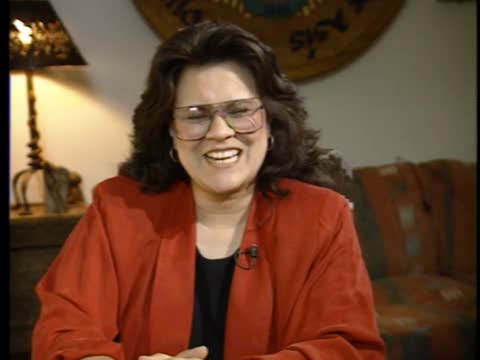
- This episode of At Week's End with Kate Nelson features a one-on-one interview with Mayor Debbie Jaramillo (Santa Fe, New Mexico).
- Broadcast Date
- 1995-05-21
- Created Date
- 1995-05-19
- Asset type
- Episode
- Genres
- Talk Show
- Media type
- Moving Image
- Duration
- 00:28:14.014
- Credits
-
-
Host: Nelson, Kate
Interviewee: Jaramillo, Debbie
Producer: Holder, Bonny
Producing Organization: KNME-TV (Television station : Albuquerque, N.M.)
- AAPB Contributor Holdings
-
KNME
Identifier: cpb-aacip-4de34003707 (Filename)
Format: U-matic
Generation: Original
Duration: 00:26:56
If you have a copy of this asset and would like us to add it to our catalog, please contact us.
- Citations
- Chicago: “At Week's End; 827; Mayor Debbie Jaramillo,” 1995-05-21, New Mexico PBS, American Archive of Public Broadcasting (GBH and the Library of Congress), Boston, MA and Washington, DC, accessed December 15, 2025, http://americanarchive.org/catalog/cpb-aacip-191-56n031pc.
- MLA: “At Week's End; 827; Mayor Debbie Jaramillo.” 1995-05-21. New Mexico PBS, American Archive of Public Broadcasting (GBH and the Library of Congress), Boston, MA and Washington, DC. Web. December 15, 2025. <http://americanarchive.org/catalog/cpb-aacip-191-56n031pc>.
- APA: At Week's End; 827; Mayor Debbie Jaramillo. Boston, MA: New Mexico PBS, American Archive of Public Broadcasting (GBH and the Library of Congress), Boston, MA and Washington, DC. Retrieved from http://americanarchive.org/catalog/cpb-aacip-191-56n031pc