Cadillac Desert; #101; Mullholland's Dream (Edited Master)
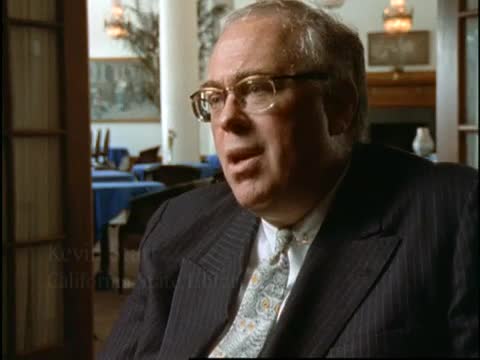
- Transcript
Well it seems to exude 7:10 talking PCM Dominic with their watch traffic and I got to tell you the jack that big rig in Pasadena has a 210 eastbound in trouble right at Rosemead with a right feeling try to commission a jackknifed big rig there about a quarter mile slow on the westbound side almost across the fence from the right of Sierra Madre right ladies walk to the car park to get ready for the 6 0 5. How are things you know it's getting A's asset here you'll see the run rate in every way and I don't really care but I'm going to have a good year. We're going to fall apart. Maybe I need everybody talking a big lie about how you look at how out of all three parts but out of it the center divider of the two left lanes are protected by CHP vehicles use alternate routes such as Laurel Canyon or even Mulholland. Today. I think my grandfather his vision of the city like Dublin. Which is the city of his childhood. And it was it's a vision I think of a 19th Century City where people.
Ambled on streets and you won another round. Enjoyed the theatre and the opera and the university. Of a civilised 19th Century City. No other good dealership in California has been best at its class for seven years. That's because no other Buick dealership has sold more than ten thousand Buicks in the last 10 years. The list goes on and on. Right now after lots of traffic to talk about too. First of all the thing that you you have to remember most news. Never really had a reason to be there. It had no minerals no metals no forests. In other words everything that any major American city used to develop itself. L.A. lacked. And above all it lacked water. Since the beginning of time. This was a place of earthquakes. And perpetual
drought. First claimed by the Spaniards and then conquered by the Americans. Virtually everyone here had come from somewhere else. In 1878. WM-Oh Holland who arrived from the green hills of Ireland. He had stowed away in a sailing ship worked as a lumberjack failed as a gold miner and had walked across Panama to save $25 in train fare. He was fond of one armed chin ups and grand opera Mulholland found work as a ditch digger on the growing town's dilapidated water system. L.A. was desperate to become a modern city. It had been a backwater for so many decades. But its water system on the other hand was pretty much the same old jerry built thing. Bunch of old water wheels were falling apart system. He worked hard. Read Shakespear and hydraulic engineering late into the night taught himself to keep the entire L.A. water system in his head and climb through the ranks.
In 1886 when his boss suddenly dropped dead. WM-Oh Holland found himself superintendent of the L.A. water system. The little desert Pueblo had grown to a hundred thousand people. Thanks to the Chamber of Commerce and a new railroad. And by 1993 L.A. had sucked dry the tiny Los Angeles River its only source of water. My mother would tell me these stories of growing up without water one bath a week on Saturday night and I washed in a big zinc tub that was dragged into the kitchen and water heated and papa got the first bath. Mama got the second and the kids and mother told me you know they were not what you'd call white trash but she told me she never had a bath in pure clean water. Now I was I was raised with a real sense that water was a precious item and not to be squandered.
Superintendent Mulholland tried to make Los Angeles live within its means but growth sabotaged everything he did. I 903 the chief knew that L.A. would have to stop growing or he would have to find a new source of water. His friend Mayor Fred Eaton told him of a great valley 200 miles to the north. For centuries Piutes had lived along the Owens river. White settlers who colonized Owens Valley found Paiutes irrigating natural grasses with several miles of small irrigation canals. My grandmother told my oldest sister that when the whites came they started to push the ends up into their rocky. Places where the water was scarce because they wanted the other. For for their cattle and things. And they came in and
they fence everything up. They start saying fuel and use my water you have to have special permission and the Indians always let the water run. It was never something that long to one individual person. It belonged to the whole community. By 19 0 4 settlers from New England Switzerland and Scotland had taken the Indian's land established farms in a dozen towns and a steam boat service on the age old Owens Lake. They dug an elaborate irrigation system diverting the Owens River into hundreds of miles of ditches. Former Mayor Fred Eaton convinced no one to set out northward across the Mojave Desert in the fall of 1900 for Owens Valley. They went by Buck Ford which is the only way you could go it took them about two weeks to get here.
If there was a trail of whiskey bottles all the way out. In two weeks Mulholland uneaten or on the banks of the Owens river. At certain times of the year in wet years. You can get a little glimpse of what. The river must have been like. Then. And how it must have been pressed. Well Holland. The Owens Valley is one of the most dramatic places in the world. You have on the one side the Sierra Nevada. Virtually every mountain over 14000 feet. And then you have. A drop. Of two miles to the valley floor. And then a rise of almost two miles up.
To the white mark. Because the mountains stop bursting or whether it is in the rain. And there's no rain in the Owens Valley. It is a true desert looking up on two huge snow covered pieces and through the middle of it comes what you almost could call a miniature Mississippi River given the setting. It is so improbable in this harsh desert to see a river. That used to be as and gourds as the hours. And. Not only was this a river. That could. Take care of. The next 20. 30 He probably imagined 50 years of population growth in L.A. but that could flow all the way by gravity. Oh you know when he saw the Owens river for the first time he came back so full of enthusiasm he said you know I've seen something here as water that will last us into the next century.
And I think both Holland suddenly must have changed. And he saw himself as a sort of builder of a Roman masterwork as somebody who kept a great hydraulic engineering tradition alive. I can't tell you what went through his head but suddenly he was a convert having been more of an efficiency guy and a conservationist. Suddenly he became an empire builder almost overnight. And. Now they were going to capture a river the only river that kind of accidentally flowed through this desert. And they were going to move the whole river. Across this 200 plus miles of terrain. That they had just. Covered at some risk probably to their lives. The problem facing the Holland was that the river goes. All the way. Her rights were owned by farmers who were irrigating something like 60000 acres. This was a thriving agricultural area at the time and it was being further developed by
the Bureau of Reclamation. The how in the world are you going to wrest that water away from these farmers and the federal government. That was the dilemma the imagine today an American city acquiring. An entire river for its future course it goes without saying it couldn't be done but it was done then. Posing as agents for a federal tribes act meant to air that Owens Valley Marlon's men went to the county courthouse. There they convinced clerks to show them deeds maps and records of stream flows. Within days Eaton was quietly buying property and water rides. What ranchers did not know was that they were selling their water not to a local irrigation
project but to the city of Los Angeles. Without telling the Holland Foreman Manfred the only damn site in Owens Valley for himself. Once said he knew who had the best water rights and who was likeliest to sell those rights. It was basically a done deal. Didn't take very long for them to capture most of that river to people who would ultimately benefit and who knew the whole story of the scheme where the publishers of The Los Angeles Times Harrison Gray Otis and Harry Chandler they were the big promoters and boosters but they were sworn to secrecy as this was going on and they did not let the cat out of the bag until they couldn't help themselves. And finally under a headline that said Titanic project to give the city a river they talked about how the whole thing of garbage and you know I mean when you read that today imagine a major city newspaper just kind of gloating over the triumph
of you know it's artifice. And she came very. It makes you real in a sense but that was what Los Angeles was like in those days it was. The climate was one of of just getting what you want any way you can get. The Owens Valley paper saw the future differently. The still secret aqueduct route would pass through the San Fernando Valley on its way to L.A.. And someone was buying up near worthless land in the San Fernando. Now another cat out of the bag. It was a real estate syndicate that would make millions of Ellen's river water irrigated their newly acquired San Fernando Valley Land. What was happening. All the while these water rides in the Owens Valley were part was at the San Fernando Valley was being bought out by a syndicate of people who
represented the power structure of Los Angeles with the kind of exquisite sense of proportion. This was your vision case with this being this incestuous cabal. Is. It. You know Jonathan. Of California fellow agoing. Old voice was never. No juice dogs blacks. Mexicans I was quietly the entire search happen and avowedly was bought up by the arch capitalists of Los Angeles for the purpose of arrogating it where the Owens river finally arrived because Los Angeles wouldn't need all that water for a long time. If water could be brought to the San Fernando Valley from the Owens Valley that great rangy grassland that semi arid terrain could be turned into an absolute agricultural paradise and there would be great fortunes made with all the cats out of all the bags.
Citizens would now vote on whether to pay for actually building the aqueduct Mulholland campaign with a vengeance. Opponents spread rumors that he was secretly dumping water at night to create a shortage. But in the middle of a drought with the temperature climbing toward a hundred and five. The people of L.A. voted ten to one to pay for Mulholland Aqueduct to bring them the river they had just purchased. I think one thing that gets overlooked when in discussing the aqueduct is. That it was. A popular. Move. From the president of the United States down to the the voters in the city of Los Angles this was highly approved project. President Theodore Roosevelt deciding the greatest good for the greatest number made Owens Valley off limits to further development by surrounding it with a national
forest. It suddenly became part of the Indio National Forest the only national forest in America with hardly any trees the only trees where the orchard trees that were being irrigated and were about to die with the law and the president on his side. Mulholland set out in 1905 to build his aqueduct across the desert. It was a great. Drama. It was a great epic drama the building of the aqueduct. You have mule teams. And you have men. And they were working in desert heats arid conditions. Water was a problem ironically enough here in this giant water project they had they have to worry about adequate water for the. Working stock and the man. Can be almost freezing it at night and then a hundred ten the casing that they turn vertically.
Mohan was there all the time. Chief Engineer Mulholland had no formal training in civil engineering. He had in fact never graduated from grade school. I am of below had barely been invented clipper ships were still sailing the seas and this was an engineering project the likes of which the world had really never seen before. Mulholland ordered to 12 foot steel pipe forged in Germany and shipped around the horn. A hundred thousand men and women worked on the aqueduct but never more than a few thousand at a time because the exhausting and dangerous work kept turnover so high. They had been farm hands cowboys and hard rock miners but now they were city employees civil servants like the chief himself. With no air conditioning no refrigeration no hard hats. In hundred in 10 degree heat they cross the
Mojave in five use with a pipe big enough to hold a locomotive. This was an aqueduct that would have reached all the way across Massachusetts and then almost all the way back through a desert with mountains. What they were really beholding was was the world's largest gardens. Surveyor said they could build the aqueduct simply by following the trail of whiskey bottles. Mulholland uneaten had thrown off the back of their buckboard in one thousand no form. In the end. The chief and his lieutenants finished the job under budget and ahead of schedule. WM-Oh Holland built his original aqueducts so well that to this day it still carries the Owings river to the people of Los Angeles. The phrase Grampa's aqueduct through her mind. My first.
Words. The day of the dedication of the aqueduct was. Without a doubt the high point of my grandfather's life. A crowd of 30 to 40000 Los Angelenos had gathered at the base of the spillway. There was a formal program but once the water spilled down the cascade the formal program was abandoned because thousands of people rushed with their tin cups to drink the water. When the water came cascading down the more Holland who was really exhausted all the time. I gave what I think is the most. Concise staircase of space in history. He unfurled an American flag. He turned to the water and he said there it is. They can't. Based on the Holland's predictions it was four times more water than Los Angeles could
use. Oh so slow. Also Barclay if you're the San Diego south at Magnolia that accident clear to the right shoulder would clear back to the Westminster Hall with bumper to bumper through the beach cities. Let me take you with me that moment actually has to be seen not just in terms of human history however brief human histories must be seen in terms of geological time. Here you have for the EON's an environment now being profoundly changed by the changing course of that river and that water in effect created contemporary Los Angeles. It's your earthquake they haven't you repair heavy bottle in quarters this weekend licentious to Honolulu for only one hundred ninety nine plus tax round trip such trips your pipeline to Paradise with the watch traffic at one of the big banquets in the city celebrating this great event. He made a speech and made a very interesting observation he said
we're doomed to success. Might be have motto for the city. Don't you think. When water came after 913 it prepared for an absolute golden age of building and construction in Los Angeles that lasted through the 20s and through the 30s. At one point in the early 20s there were some 67 lumber ships at the San Pedro Harbor lined up just waiting to get the the wood off so they could keep the construction going. You also have the beginnings of the great Hollywood figures coming out D.W. Griffith Cecille B DeMille coming just a few months after the water. At nowhere as you move through Los Angeles where you knot the prices of lawns hedges
palm trees. Great palm trees which sway above Los Angeles not like Navin giraffes are taken as the signature of a city palm trees were not native to the region they were planted by the hundreds in the hundreds of this era. Here you have it some I arid region we're coyote's Rolanda where Tumbleweed is blown by the wind which in a very short time was turned into arguably the most exquisite invented guard in history. If you link that with the adjacent citrus crops which were still in full bloom in the teens in the 20s I wasn't there but it must have been wonderful. You had a general sense ability of that time of turning the desert into an Eden Charlie Chaplin in Alice Huxley came from England. William Faulkner from Mississippi. Frank Lloyd Wright from Wisconsin. Everyone
came from everywhere. And I was suddenly growing 11 times faster than New York faster even than Calcutta. A million people by one thousand twenty two. Of whom thirty one thousand were licensed real estate agents. Now. Over my husband's objections Los Angeles began an X in 52 surrounding community. Soon the city limits would cover 400 square miles more than any city in America. I mean a lot of irate citizens when they find out they're paying for water that they're not going to get. Hart told her where. She was to get. You bring the water to L.A.. Or you bring away from the water. What he simply meant was that. You. It would bring the wanted to whether you wanted to bring it. And call that place L.A..
And and therefore you could get Los Angeles taxpayers to pay what in effect were a cabal of real estate speculators to have the city. Pay millions of dollars for them to pump water down to land that was not in fact part of the city and then caused them to vote that as part of the city and thereby increase the value of that land which they had purchased and held a thousand fold so they were closing one city in effect to pay for them to develop another city by car and then say well that's really the same city as the Owens river was finally being relocated across a quarter of the state of California. It became immediately obvious that there was way more water than Los Angeles needed. And so because the water was coming into the San Fernando Valley it ended up irrigated the San Fernando Valley. It was basically an artificial imported river
for agriculture there rather than the agriculture that had been. Essentially put out of business and it was valid. The Syndicate's air raid tracks in the San Fernando Valley blossomed into orange and lemon grows peach orchards feels of winter tomatoes by 19 20. L.A. County was the most productive farm county in America. It may have been legal but to move a whole river offensively for public good it ends up making a bunch of capitalists even richer than they already were by giving them a brand new water supply. It was really a kind of remarkable feat. They're putting L.A. in the building but the water's not going to go to L.A. It's coming right here. Watching. Everything you can see everything around us. I was at the hauler records today. The regional title for. China. I actually.
Had. This thing called Water and Power. Because you know that's what it came and water was power it was it was money. And those who knew how to manipulate it was much more adroitly anybody could ever manipulate the stock market to make money off of it. And you could say it was a powerful thing running through your movie. You know just a river of greed. Yeah I mean any idea what this land would be worth with a steady water supply. About 30 million more than they paid. For it. The syndicate began plowing under their newly developed San Fernando Ahrens gloves for track times. Advance guard of the largest subdivision in history. The value of their land had gone up ten fold. This is a great gauge of salesmanship Aziz were masters of the art of
encouraging people to envision on an empty hillside the great cities the towns the schools the churches the synagogues which would one day be there. Had they but the faith that the salesman had. Owning your own home in this region was given an almost quite as I religiously value that your children would not be delinquent if you had a home that your marriage would be happy. But many of the ills of our society were due to the fact that people lived in cities and rented. Holland himself did not profit directly from the syndicates dealings but he was now the highest paid public employee in California. The University of California gave an honorary degree to Dr Mulholland. The penniless immigrant who never finished grade school but could keep the entire L.A. water system in his head. L.A. now had among Holland School Mulholland dam. Holland reservoir. And named its new winding scenic drive the Mulholland highway.
Every kid and I know it's one of the first names you learn when you when you hit when you're old enough to get a junior operator's license because that's where you parked your car to make it. So that's that's that's one of the social issue of money. We took a girl. The man in the family got was a staple of conversation waterworks. There was always a dodge to get the family to get up to go out which is that you get to see the wildflowers in the spring but it somehow always ended up that we were standing in front of some big turbine or waterworks and with the men discussing all of this the way you know I do can I discuss impressionist paintings with a friend at the county museum. The city which never had a reason to be now had at thousand oil wells its own automobile and airplane factories. And before long 90 percent of all
the world's movies would be made in L.A.. The imported Owens river allowed the city to expand at three times the rate. Mulholland had used in his aqueduct calculations. It wasn't a profit he couldn't foresee that I would grow the way it did and that's what upset a lot of the balance of a citizens committee try to nominate William Holland for mayor. He said he would rather give birth to a porcupine back would then be mayor of Los Angeles. It was a scramble I mean the city kept growing and the Chamber of Commerce kept booming and there were all these marvelous come ons from to the railroad companies and from the Chamber of Commerce and he used to joke and say that he thought the only thing that stopped all life from growing was to kill Frank Weygand and Frank awakens with the president of the Chamber of Commerce who spent his lifetime booming ally all over the country and encouraging more people.
And so it was a little bit like the Sorcerer's Apprentice you start the process going and you've got to have more water more water more water and you're the father of the city's water system. I'm supposed to continue to provide this water. It's a terrible place to be and you've got to be ingenious and inventive and come up with. New ideas. We're getting water. Now there was 60000 Realtors the Chamber of Commerce sent millions of promotional brochures to the Midwest and New England to Guatemala City and Paris. Only 10 years after Mulholland finished his great aqueduct with a fourfold surplus. L.A. was running out of water and he was pondering new sources. The Colorado mono lake or the Sierra. Maybe the best example of the metamorphosis of Mulholland into an obsessive water seeker was described to me by Horace Albright who was
back in the 20s the superintendent at the 70 National Park. And he was at a banquet table with Mo Holland. And Holland started waxing eloquent about how beautiful the valley is and then said what he would do if he were in charge. As he would send photographers up into the valley and let them in and photograph all day long. All night. Every season and just have the most. Astounding collection of your some of the photographs that you could ever imagine. Put them in books and send them free to every library in the world. And then he would go in there and build a great big dam and stop the goddamned waste. Just to the north of Yosemite Lake John Muir's beloved Hatchie Valley
care L.A. Zoo rival San Francisco was in fact planning a dam which would soon permanently submerge Hetch Hetchy under 300 feet of water. Owens Valley had in fact gotten off easy compared to Hetch Hetchy Mulholland aqueduct had only the water the southern half of the valley leaving the northern towns and farms to flourish. During World War One. Well Known as well it was an absolute You might say show players for juiced fruit the people from L.A. would go nuts over to get this fruit from her. I can remember when the sky would get black flights of ducks this was one of the major flyways. Oh absolutely black person and I mean that the sky would be black and even for a day or two or for hours and hours. It was a great time to live in fear. A very close knit community here every Saturday night at ECU opera house open all night and show the movie on the movies over the
course of chairs back there by danced on line they have a breakfast and here we go home back to the ranch is a set set up you know. To say the Saturday night. Was a great time to live in the only valid. What few people knew was that William M. Holland was about to turn his attention to what remained of the Owens river. This growing city of Los Angeles becomes like a vampire making a direct connection to that major artery of the Owens Valley which is the owers river. And of course imagine those ranchers who were initially told that Los Angeles would be their partner their friend that they would grow in prosperity along with the city began to see that the vampire was sucking the life blood and that their fertile fields were becoming parched and nonproductive in their wet
years since 1905. Relations between the city and the valley had been surprisingly cordial but now there was drought. The city sunk fifty two turbine wells into the valley floor to pump ground water into the aqueduct crippling surrounding ranches. What people resent here they didn't have the option they didn't have a choice. And the pressures of build over 20 years and the way it was down and hold water we're talking about they could care nothing about this property. I'm someday my mother would take me for drives and she would always talk about apple orchards and peach orchard and it wasn't till years later that I realized because growing up in BISHOP There was always we were surrounded by sage brush. It was always tried it was always destined there was always dust in the air and I couldn't even imagine what my mother was talking about. I couldn't a mansion. And it took me until a young adult to realize that it was much different at one time.
I would have liked to have seen. What my grandparents. I'd like to see the green. I'd like to see the orchard. It must have been gorgeous. And Mr. Pinkerton I mean I think that that the Allens Valley is beautiful. Now I grew up there. And it's beautiful Massood Can you imagine what it was like when my grandfather was there when my great grandfather was there. They could make me cry. Anger mounted as Milhollin as men cut branches Canalis the city bought more land and siphoned off more and more water. Half the crops will gone by one thousand twenty four. Schools and businesses began to close. I once lake went bone dry.
LUMAS of resistance began to fly. Someone blew a hole in the siphon. And then just before Thanksgiving in one thousand twenty four The local bank president and a hundred citizens seized the aqueduct. They open the flood gates and sent the entire flow of the Owens river down a ditch and back into its ancient channel on the valley floor. They organized a caravan or model to use that grove I think probably dozens of cars down to the Alabama gates on the aqueduct where there was a turnout valve where they could basically stop the flow of water to Los Angeles. Talk about community involvement. I know that my grandfather was there. I have spoken recently with my mother's cousin and she said that she remembers that it was a party that her mother got
irreparably and got her dressed up and she was only 4 so there was that. I mean that was said a great step and those people didn't move from the Alabama gates they didn't move. That took a lot of courage. It wasn't any guns and all the wizards of that type are saying they're only going to watch from there and he was sympathetic to the revolution if you will. So if there was a whole bunch of them war of attrition but discussion but interest focused on the sling is mainly what they were after. The crowd grew to 700 picnicking singing on with Christian soldiers playing Enrico Caruso in a hand crank phonograph. Superintendent Mulholland Sin City Police to take back the water. But the local
sheriff stood between the officers and the citizens. This news did travel around the world. This was a great big story at the time and it was embarrassing for Los Angeles because they were being cast as the villain. And you know it's hard to say that any other way. Holland saw this as number one instance of civil insurrection but saw that nothing less than the survival of Los Angeles itself was at stake. And that basically there had to be a cleansing of farmers from that region that the two
communities were incompatible. And that they would have to be bought out and so they decided to try to sit down with some of the leaders of the Owens Valley and negotiate some kind of a zone. After a week the local bank president told the Raiders that a Los Angeles consortium would negotiate a fair price for the remaining water rights in Owens Valley. L.A. would even consider sharing the water with cheers and congratulations. The ranchers and their families went home only to learn later that the deal had fallen through as these negotiations such as they were going on. The city is is busily buying more rights land and water rights in the Valley basically buying the whole place up. While ranches occupied the aqueduct. City agents had secured legal options on virtually all remaining land and water rights in Owens Valley. They bought whole towns even the county seat and county jail. I
am. The more problem. And it's not the first time. The last bombing was four years ago and ranchers objecting to the city cutting across their property. I suspect. One of the main line pipes about 150 miles north of Los Angeles. That supplies water to the big town. Is Lucky Los Angeles has an emergency water here. This might have resulted in a terrible drought. Is that. The police are after the means to get this rotten job. Let's hope they get it. There is no punishment. Too strong for him. He received a phone call and. This is like telling land hearted eventually that someone says slashed the Mona Lisa. I mean he was just. Appalled outraged and furious. And at that point a certain ugly turn
of events occurred the mood changed. Now night after night saboteur has dynamited Mulholland smashed. The great aqueduct on which a million people depended. We had numerous stories about my grandfather. Taking time off. And blowing up. Dynamite in the aqueduct took great pride in the fact. Of the many raids. To block the aqueduct. They would go along and and and dynamite sections and then they'd go right off back up into the hills. What camped out for weeks and weeks and weeks after they had bombed it they were afraid to come home and how they had their their wives and kids had to basically hold the whole family and fort together. The city named three women and 15 men as ringleaders but could never win a single conviction.
They were heroes the ONLY IN YOUR OWN MIND know those guys are great for what they did everything what we were taught that we wish we'd been there if we were kids you know. But. Interestingly enough then he went on to be a California state senator so he wasn't a crazy man. He was just a man on a mission and a purpose. Mulholland and his. Colleagues said look this is this can't go on. This is threatening the water supply for a great city. This is criminal. And they sent machine guns up there and it stopped train loads of them were going up to the I was valet at basically imposing martial law. There were search lights and floodlights up and down that valley sweeping across the aqueduct all night long. Holland sent 600 heavily armed police to secure the city's water supply backed by the full force of state and federal law endorsed by the Chamber of Commerce as John Warner said.
Everyone has his reasons. And I'm sure he had his reasons and he justified it. Because he had to. I can see how it would have been very easy to get carried away by a powerful man to say. See what you can do in the city. You. Are a great man. When I was a kid you know he was a he was a bad guy he was a guy like had he was we all hated him you know and we all talk about him a lot we know what a evil guy he was but he had a fantastic vision but he didn't care who he stepped over to get it. He didn't care what happened he owns Valley. I would say that when I was a little girl it was not good to be a mo Holland in Owens Valley. And. I was never taken there. And my folks if they should chance to past trouble my mother told me they always registered at the hotel using her maiden name because we were just not
well-liked in the Owens Valley and it was not a good name to carry. Well it was a very almost man. Because he said that everyone in Bishop was a son of a bitch and that there wasn't enough pine trees to hang the natives on which they deserved. Where is the rest of them. They want was a protocol and was David Tayshaun and so on but not more wall and he knew that it was a vain hope I mean that to think that they could go back. I mean the water intake and it was a fait accompli there was no turning back on it was not going to be reverted back to what it did in 95. That deed been done. Somebody did put up a sign that said Los Angeles City Limits way out in the Owens Valley. Kind of a bitter joke. It was really then that everyone knew William R. Holland had fired. He had won the valley was really yes.
The for line city bulldozers began knocking down farmhouses and filling in irrigation ditches. Well first we had the valley. And the settlers came in and took it away from us than the city of Los Angeles came in they took it away from them. All Mohali needed now was a place to store water for the growing city. But former L.A. Mayor Fred Eaton own the only reservoir site in the Owens Valley and was demanding a million dollars for it. So Mahal and built a huge dam in the hills just 40 miles from downtown L.A.. It was the largest arch support dam in North America. The final link in a decade of triumph. By the spring of twenty eight. The reservoir in San Francisco Canyon was full to the brim with a year's
supply of Owens river water far from the scene of battle. On March 12th workers noticed a small leak on the north side Mulholland inspected the leak pronounced the dam sound and went home to bed. My grandfather was awakened from his sleep. With a phone call. Saying the damage gone out. And his first response as he stumbled toward the phone. Was oh please God. Don't let people be killed. There was no warning. There was no warning system and it started wiping out whole communities. You had so much water. In that dam. That there were.
Thousand ton blocks of concrete. Riding the crest. It was not water at a certain point it was freeze whole blocks of carved. Rocks and rubble. It was some a solid wall advancing at 20 or 30 miles an hour 40 50 60 feet high. You couldnt run from it. I am I was five years old and the same Francis dam. Broke. And. With my limited perceptions I realize some dreadful thing of it's like bringing a dark curtain down over. A lighted. Area. My father took me. He was my father was stunned and he took me in the
car. My mother was not well at the time. And we drove up to the dam site and on the way up. He taught me how to say San Francisco Ito Canyon. And we rehearsed it over and over as if it works some kind of a catechism lesson and what it did for me was imprint that. Name forever in my mind as a scene of some terrible fate which should be fought on our family. Mulholland surveyed the greatest manmade disaster in California history. He St. Francis dam. Had killed as many people as the San Francisco earthquake. I've always been moved all my life. At the pictures that were taken of
him in the morning. He just went out and surveyed the ruins of the of the dam failure. It's like looking at as the SST the most stricken human being I have ever seen. It's dead stark look on his face as he stands at mid the rubble. Of. Something he had created as an engineers. The most horrible fate any engineer could have. To build a structure that fails and also kills. Well Mo Holland was a state of shock. He made an initial. Effort really it wasn't much of an effort to blame the whole thing on dynamiters which was the term he now used in Eric way to refer to anybody in the Owens Valley. But it was very obvious that the dam had failed by itself and nobody had sabotaged it and that no Holland had and had paid a visit to the
dam just. Hours earlier and said that there was fog. So his reputation which had he had been a God figure in Los Angeles Mahal and went from being the father of the city the founder of the city to standing possible indictment. The precise cause was never found. No criminal charges were ever filed but the coroner's jury held William O Holland responsible. Excepted the blade. Broke down in sobs and said that he envied the dead. Why they kept slowly taking away
the water from the canals and ditches near thing. Slowly but surely on they got if they syphon down as soft land the trees or farm stands they old they all died off and all the orchard died off and rolled on the House and they just turned back into desert basically. When we travel twice and choice we botched it at the dock. My parents would always say there's our water. Girls that water came from the Owens Valley and as a as a child I remember feeling animosity towards my Sanch alist. You always knew you always felt they took our water Milhollin resigned in disgrace. He's really achievements clouded by the disaster and by the suffering in Owens Valley his plans for still greater aqueducts lay on the drawing board. But to the people of
L.A. He was an embarrassment. Officials began referring to the MO Holland reservoir as the Hollywood reservoir. Owens Valley was history but fantasy and folklore lived on the myth of rampaging police destroying a paradise. Gallant ranchers defending their homes. And bring word from the capital Valley and then condemn them. What do you mean it's a matter of need more water and power. So all of us data decided to build a dam across Stone Canyon turned a valley into a reservoir and just let him die trying to build a dam around here. A state authorized me to build a dam that's going to be built whether you like it or not. Thank you Daisy you know the kind of people you're dealing with Mister. But they'll find out. In 134 using the Hollands original plans the Metropolitan Water District
blasted a new aqueduct all the way to the Arizona state line to its second river the Colorado. To bring in water. The paper again. But we're fortunate in having within our reach there the governor of Arizona deployed his state militia to the river bank to stop Los Angeles from taking Colorado River water. It was to no avail. The final resolution would not come until 30 years later after one of the longest court cases
in American history. On the right thank you very much. Thank you. It is a wonderful thing to contemplate everything expressing everything we can be assured. Because of the police investigation. Let's.
Bring back their. Help. He brought enough elements together water population and wealth. So that Los Angeles was now almost condemned to grow grow grow. So after the 1920s. Los Angeles is history is almost defined by an obsessive constant search for more and more water. Hoover Dam was authorized in 1928 finished by the mid 30s then mana Lake which is north of the Owens Valley was hooked up to the aqueduct and began draining all the streams that feed this irreplaceable natural wonder out there. My Holland had long had his eye on Mono Lake hundred miles north of Owens Valley. In 1036 his successors dusted off his plans and pushed the
aqueduct north to mano seeking again the greatest good for the greatest number. People really should not have any problem with our water system and take it for granted or the water people are doing their job. I always felt that I was working for a good purpose. I wasn't doing something that in my view really didn't basically benefit society. I felt that I was working on something that was it was a fundamental benefit to society I was proud of that the people of L.A. could now depend on water from ancient streams feeding Mono Lake the better the gram waterless way to cover the old sun even within the memory of living in the mountains and the sea. More son Thomas was a. Living breathing proof that basin the propolis almost overnight. Only now are likely to live on a
hill within city limits. Perhaps a few years ago there were resident conventions of press to say please make the most of them. Remember. The rise of Nazis in Germany and the flaying of all that talent. You have the creation of a Euro Southern California Auto prime minister who was of course fleeing the Nazis was at the Hillcrest Country Club and people playing cards and people were talking and the two people were talk start talking and Hungarian and they're talking when I'm carrying out a promise or said What's the matter he says why are you talking to him Garrity says this is Los Angeles he said. Talk Germany.
From Berlin New York Alabama from all over the world people flooding into southern California. They say it was just like everywhere else only more so. They were living in Paris. It's something like like. You know love and good health that you really miss it by its absence very often. I mean this wasn't aware I was never aware of going up it and how wonderful it was until it was gone and that was the air itself. The air was wonderful. Will you stop and think about the mean temperature of the climate here here around here.
It's probably the most perfect climate to you know sort of walk around and with almost no clothing to hit the air. You just feel that it's almost an extension of your own skin and it doesn't sit on it's not too cold. The machinery of water acquisition overworks the Owens river the Colorado and the mono basin. In 1964 the Metropolitan Water District proposed diverting the Columbia River to Southern California. The future had arrived. Somebody finally decided rather than just go after another source of water every 10 or 20 years. Why don't we go to where there is so much water. We'll have enough for 200 years. And where was that place. Alaska. It would have brought this water down in huge jolts irrigated Nevada irrigated Eastern Oregon on the way some of it would have gone all the way to Mexico it was going to go to Arizona it was going to go to Texas.
Nobody really blanked there were lots of people in the business who thought well yeah it's maybe a little premature but this is going to happen someday because it has to. It is not a mirage. But rather a preview of an atomic marvel of tomorrow. A milestone in man's development. A nuclear powered agro industrial complex with a nuclear reactor as the energy source at a diesel being planned as the fresh water source. The desert transformed into a nuclear powered agro industrial complex. There were there were plans to last through you know. Icebergs and torn down. You know it was like the flim flam man I mean there was no end to these people who had plans to to dam San Francisco Bay to the pipelines beyond your wildest dreams. This one this wasn't about carrying oil. This was about carrying the water. This is this is water.
When these reactors are coupled would be salting plant. Similarly one billion gallons of fresh water will be produced her day. At the time nobody was challenging the idea of using eight gallons of water per flush a toilet or irrigating your lawn to the point where it's standing an inch deep in water. Nobody thought about conservation people only thought about supply. The city had long since exhausted supply from the tiny Los Angeles River and cemented over its channel by 1960. The DWP built a reservoir to store a supply of Owens river water near the center of Los Angeles. The Lafayette Police say the police helicopter is here a lot so it was pretty a fire department helicopter there but the police are on the ground with motorcycles and automobile trying to all practically activate people from here rather than watch it. The
loss of life here is pretty telling how much property is already family. Last. Year. The Department of Water and Power had no choice but to carry on since it now served three million people. And one thousand nine hundred sixty six L.A. acquired its third river like a giant version of Mulholland Owens Valley Project the California State aqueducts now brought the Feather River from 600 miles north. Enough water to fill the Rose Bowl every 90 minutes.
Los Angeles by the 70s was reaching 200 miles in one direction two hundred and fifty miles in another direction and 600 miles in the third direction. For water. And it still wasn't enough up in 1070. The Department of Water and Power using Mulholland original sketches finished the second barrel a parallel aqueduct not far from the original sucking now twice as much water from Mono Lake. The million year old lake now found two feet every year. It was the only stop for a million migrating sea birds on their way from the Arctic to Bolivia. We can feel like going down and down and down. Drusilla was neither growing around the lake anymore. Everything was drying up. All of springs regarding. That. Really. Really devastating because we thought. The whole lake is going to be like this.
You know. When you think of God given right you think. It should be like it was. The local people had already resigned themselves to the fact that the lake was going to dry up or get to a very small level. Just because of the adversary. The Department of Water and Power is too big to fight. There was not. Anything that anybody can do. Great alkali dust storms began boiling up part of the exposed shores of mono and the dry bed of Owens Lake. By 1974 Owens Valley the Switzerland of America. Had the worst particulate pollution in the country. The sense that somehow L.A. had sinned against. Another. People. Became a central imagery in this whole water story and one that I will always have a lot of trouble with because I've always sympathized with the underdog but at the same time I've been proud of my grandfather so it's given me a great deal of conflict have to come to terms with
that. Why are you doing it. How much better can you. What can you buy that you can't already do for your future Mr. Gibbs. The future and the crimes committed in the name of the future. And that's the future. This is really the history of water for here. Well. I mean it's. It's just the supreme irony. Seems to gets most people never have to face the fact that. The right time the right place they're capable of. Everything. Some crimes are so so monstrous that they can't figure out how to punish them so. They actually sort of reward them. My name is. On the scenic route to the city. And. The criminals names are on. Fire says city founders. Rather than in jail with everyone. I think a movie like Chinatown is an easy out. It oversimplifies it's
melodramatic. It's not true. I mean literally not true. But it provides an easy explanation of advance and for people who like to bash L.A. It's perfect. New York Times loves to hold it up as a piece of his history. The movie Chinatown was bad contorted history but it was powerful myth. We can fling violence against the Department of Water and Power now headquartered in a building that cost as much as Holland's original aqueduct. There was violence here before a long time ago back in 1944 angry farmers and ranchers lined the walls armed with shotguns and rifles. They blew holes in the aqueduct 17 times this year. It took this form a dynamite blast at the gates of the first act without the water for Los Angeles stop briefly.
Instead the resistance was futile. The Department of Water and Power by now had more man power than the population of Bishop more in fact than the entire population of Owens Valley. But this time something had changed. David Gaines a young biologist from L.A. and a dozen University of California students had begun a careful study of mono Lakes simular ecosystem they found it on the brink of collapse. We knew about Owens Lake of course. Now it is the dry ditch you know hundred miles to the south and we realize that Mono Lake could look like that someday. And. When she realized what was here that all that would be lost. We couldn't let it just go down without making some effort to save it. 976 Mono Lake had fallen 40 feet exposing mineral towers which had formed under water over the ages. It had become three times saltier than the ocean.
What we're asking what Mono Lake is asking all of us is where are we going to draw the line. If we don't share some water with Mono Lake what will be next will be a Lake Taupo will be the Eel River the Yukon will it be on and on until the last of our singing rivers and beautiful lakes are gone because we've taken every last straw. We've watched the last waterfowl. And the last salmon follow the California State emblem the California Grizzly into oblivion. It is a battleground in that sense. It's asking us how much are we going to share with the earth. Well it was very. Primitive I mean there were just 12 people only one or two cars everybody else did their research via bicycle. They take their binoculars in their backpack and their lunch and hop on their bikes and they drive down the dirt roads and dump their bikes and hike out for a couple miles. When they had walked through mud and you know they were really the quintessential researchers out there braving the elements all those
college boys come over look you know they all look like professors you know that big beard you know. And so Mr. Gaines you is one of them. And he looked just like the rest of you know. Like a kind of like a hippie I'd say but I don't want to say you know yeah it wasn't you people look that way you know. But he was a pretty smart guy you know. He started things going here and when I grew up in Los Angeles I never learned where water came from. And it was only after doing some complex calculations that we learned that if diversions continue this lake will fall another 40 to 60 vertical feet. What we will be left with is an alkali wasteland sterile chemicals where there is now one of the most beautiful and life productive places on earth. Far more than natural beauty was threatened at Mono Lake.
What was at stake was a big aquatic ecosystem those very simple but very productive I mean the numbers are astronomical. You've got algae and the brine shrimp. If the algae and then you've got millions of birds coming every summer to eat the brain flies and brain chimps. A far off dream was out there. But I don't think we we gazed up at it too much it might be too discouraging I mean to have a handful of biologists fighting the Department of Water and Power of the city of Los Angeles with a multimillion dollar budget. It was too big of a contrast. When William M. Holland took water from Owens Valley and Mono Lake Hughes before no one questioned the damage to nature but an environmental movement had come of age in America along with powerful new laws and a great shift in public opinion. Committee said Mono Lake and Owens Valley
together with the Audubon Society went to court to stop the water conquest Milhollin had set in motion in 1900. If you're angry and have nothing else no other recourse. I think Dynamite comes to mind. And they were ranchers they understood dynamite We were college biologists. No experience with dynamite. We knew facts and figures and we knew our that we could you know were educated people and we could probably figure out how to find a lobbyist to go for to help us in Sacramento and how to find lawyers. People are saying well ask for a lot go way high and then you compromise down with the politicians and the agencies and we were all biologist Macross said. Doesn't sound right. Why can't we just start with what we know is the truth and just stay there forever. And that's what we did. The courts ruled that drying out the Owens river or streams feeding Mono Lake was not in the public. Interest.
In 1908 the state forced the city to return water to mono for the first time in half a century. Los Angeles began water conservation on a scale never before seen in America and now shares the water in a fragile peace with Owens Valley and Mono Lake. One local person said if you guys save the lake I'll eat my hat. It turns out that we've we've saved a lake and we have regulations and people seem much happier to see water running down the creek. Fish in the creek. Maybe some of them remember the great numbers of ducks and geese that were down at the lake and they look forward to that being in the future again. I didn't think that they would succeed in. Persuading my city listeners to let the water in the moon. Why did you think they were Nazis. Well. How can you fight both of you also.
So really this is a victory or a victory. David games did not live to see the victory. He had died a year before in an automobile accident not far from Mono Lake. And so finally the machine that Mo Holland had set in motion just kind of began to fall apart. The whole posture of the Los Angeles Department of Water and Power and the city changed. The city negotiated with mana Lake folks and decided to give more water back to the way it gave up on the idea of importing Klamath River water of Columbia River water. I think. Ultimately. It was the people's feeling.
Why. Bring more water in if it just encourages more growth that forces us to bring more water in. You know it's a sort of a death for a Texan. It's the Red Queen in Alice in Wonderland running faster and faster just to stay in place. And that mentality has sort of died a respectful death. And you know if there's an occasional shortage. Well that's too bad. We're in a desert here and we're not supposed to be like Miami all the time every day of the year to infinity. After the dam failure my grandfather underwent. The most profound change that you can imagine and. That he had been a vigorous. Functioning 70 year old man their 72 year old man at the time the dam failed. And he simply. Shriveled.
He came out to the ranch need sit in the living room with the cigar and. The conversation would go around and he would he would just shut his eyes he would sit there like some kind of a. Sleeping Giant. I was so struck us a child when I attended the funeral. And his body lay in state and city hall and the working man who came to pay their last respects to him and some of them cried. And when I was 12 years old and that made a big impression on me because I had never seen a grown man cry. And so I derive from that that this was a man who had commanded a lot of love and respect in his day. And I've spent a lifetime trying to jive that with all the attacks that have been made I am by people who didn't know him.
Freeways are settling down believe it or not but check out the four five and what I want to be the Hollywood Hills. Not bad at all don't need to take alternate routes such as Laurel Canyon called Water Canyon or even Mulholland. Drive. Doctor road map lied for Captain Jorge jet copter 790. And. In. Weighing. Thing.
You don't.
- Series
- Cadillac Desert
- Episode Number
- #101
- Producing Organization
- KQED-TV (Television station : San Francisco, Calif.)
- Contributing Organization
- KQED (San Francisco, California)
- AAPB ID
- cpb-aacip-55-kk9474776r
If you have more information about this item than what is given here, or if you have concerns about this record, we want to know! Contact us, indicating the AAPB ID (cpb-aacip-55-kk9474776r).
- Description
- Episode Description
- Music Annex first sound mix 09-16-96 AUDIO: Final Stereo Mix. A documentary about civil engineer William Mulholland
- Created Date
- 1996-09-18
- Asset type
- Episode
- Genres
- Documentary
- Media type
- Moving Image
- Duration
- 01:22:25
- Credits
-
-
Producing Organization: KQED-TV (Television station : San Francisco, Calif.)
- AAPB Contributor Holdings
-
KQED
Identifier: cpb-aacip-8ca342fcf1c (Filename)
Format: Digital Betacam
Generation: Master
Duration: 1:22:25
-
KQED
Identifier: cpb-aacip-909e57c9849 (unknown)
Format: application/mxf
Duration: 1:22:25
If you have a copy of this asset and would like us to add it to our catalog, please contact us.
- Citations
- Chicago: “Cadillac Desert; #101; Mullholland's Dream (Edited Master),” 1996-09-18, KQED, American Archive of Public Broadcasting (GBH and the Library of Congress), Boston, MA and Washington, DC, accessed April 11, 2026, http://americanarchive.org/catalog/cpb-aacip-55-kk9474776r.
- MLA: “Cadillac Desert; #101; Mullholland's Dream (Edited Master).” 1996-09-18. KQED, American Archive of Public Broadcasting (GBH and the Library of Congress), Boston, MA and Washington, DC. Web. April 11, 2026. <http://americanarchive.org/catalog/cpb-aacip-55-kk9474776r>.
- APA: Cadillac Desert; #101; Mullholland's Dream (Edited Master). Boston, MA: KQED, American Archive of Public Broadcasting (GBH and the Library of Congress), Boston, MA and Washington, DC. Retrieved from http://americanarchive.org/catalog/cpb-aacip-55-kk9474776r