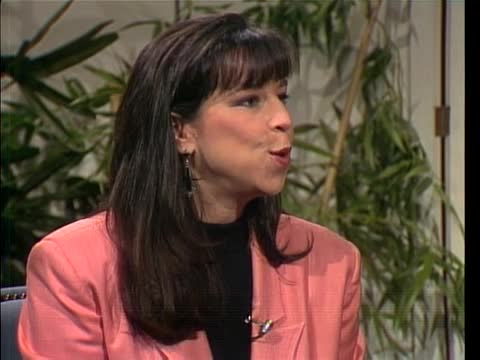
A Word on Words; 0903; Ellen Alderman & Caroline Kennedy
- Transcript
chris allen alderman and caroline county an hour publisher of the tennessean usa today is being with us singing we have on a book that celebrates the arms and it called on our defense it is a book that that denotes and helps celebrate the two hundredth anniversary of the bill rights and i guess ellen all along and caroline kennedy welcome to our and you know it seems to me that when you talk about the delights and celebration that the oval on the sheer being of the same fifty anniversary ratification in virginia many people who are caught up bud and non patriotic fervor really don't understand what it is that's involved here
and it's helpful if you have written this book that explains that what we really have here far governments that represent government borrows against government action to intrude into an approval love so for solutions in the meantime we haven't liked it as open to explore that aspect of public understanding and look at these tenements a health public understand through the sentiments of just how the sex lives of people you all didn't write in a test tube beautiful real human equation and put into each one of these stores let's begin with the first first thing's first let's begin with a client
would then we went through as you say that for the first ten amendments to the constitution which people don't realize are on were set up to protect the individual against the state and their use by all kinds of americans and romney as are the case illustrated free speech we take the case on which asks that classic first amendment question which is how much offensive speech do we all have tolerated in the name of a free society and in kansas city the ku klux klan wanting to have their own cable tv show and they want to call a klan to say the table and they said that they are entitled to that under the first amendment right of free speech now the opposition was led by reverend emanuel cleaver who was a black minister in the canon and he said we don't have to listen to this in our own living room on a channel that we pay for so it pitted racial tolerance against free speech and was a very interesting jason we spoke to both sides in that and eventually expand atlanta did win the right to go on the air but reverend cleaver was like american to
say so it's a story with her he won a lot that he lost an online line up and go and the program one on one episode of the program mad greyson reason tom mr was shown warts and write in their own this is the local klan same table tennis well they never show grey's recent after raising reason was a separate as mr fallon i guess hassan about now this was their particular local fill in fact hurt the cable company's first effort to keep the klan off the air was to say we don't air national programs to come in and produce your own local show and they said fine we'll call a glance a city cable will come in for training and they did so then the cable company had to fall back on trying to eliminate the channel and then they ran up against the first amendment are not used to i'm somewhat concerned that he was not going to be able to prove a clear and present danger that there would be terrible terror or violence that wouldn't light from the show in the program so we had the
virus some theory and if you watch the planned you're bound working to work right and that's the standard of the constitution now an endowed is that right in that violence will be imminent and likely so it was very hard since no shows have been on for him to show that but the only argument became an is cut public access tv the street corner of the soapbox of the future where citizens have a right to get up and say whatever they want and down that serve public property just like a park forestry and reverend cleaners and the cable company said no this is our we have editorial control over this channel where we can share what we won air we don't have feral we don't live there well you say it is that it makes the case that they that that the station and the first amendment and they protect the unpopular and tower expression i'm not
sure they viewed take the free press case that you've used to demonstrate the press rights progress and i think it's i'm not sure that all of the supreme court that that that court in and out even more should come up again today that court that would give them would've supported the right of progressive magazine to publish an article and told how to make an atomic bomb i will that's why we chose it because it is such a difficult i chase and in fact we think in a way it shows how free the prices in this country because it's only when national security is at stake for instance in the persian gulf most recently that the government would think of this kind of blanket censorship what happened in our case was that this small monthly magazine in on madison wisconsin set out to see if there was a reason for all the secrecy surrounding the hydrogen bomb and their reporter howard moreland uncovered what he thought was the secret
to making a hydrogen bomb and one to put on the front page and that's when the government under attorney general bell stepped in and tried to stop the press which is something very unusual out of almost see jill schlesinger cbs bill halter we got to stop the sale and the memo we found from that jimmy carter wrote know proceed good job good job and so it was interesting because a lot of the people the justice department that we spoke with someone who didn't make it into the book are very uncomfortable with this notion of going and trying to stop the press they knew they had a hard battle but it turned out that the judge in wisconsin i've said that gave a thermal night of thermonuclear annihilation occurs them the right to publish is moot that well you'll make the case that hamas is going to make the case that the sprinkler that that the first amendment really self of a bit of a body blow because
from near versus muscled through the pentagon papers there there have not been that saul injunctive against the right to publish and that judge did bar progressive from four period until sullivan sullivan anti nuclear gadfly started writing letters let's talk about what happened was the progress this position all along was that this information is out it's in the public domain and what howard moral and the reporter said was he just piece together information and put it in one place and simple layman's terms which hadn't been done before and other people around the country including reporters set out to cover the progress the story and as they pick up bumping into the expansive and it turned out that it wasn't such a secret anymore another newspaper start printing it and so the government attorney general bell told us about point there was really no point proceeding some labels so that it made
the first amendment stronger in a way because the show that the information always will come out and the government can't and practical sense actually stop the press and so it you know it said that and that that was the intent that was bad and what happens a very small newspapers in wisconsin right inside eritrea a small interaction gets hold of this letter the jerusalem to proceed unintelligible insulation is made right analysis on the underworld were all still here well hell was the ends and the sectarian slurs in turin are about that and were also against iran and hopefully the first moment as the memo also covers religion and in this case should take pride in all of california entrusted and protecting sacred burial grounds oregon wrote is going to
destroy their religious heritage they lose they try to stop a fight before sad case we think that the puritans came to this country seeking remove religion and dry is ready for his late native americans were denied protection cycle it was a sad case in an hour it was very moving for us to go up to the high country in northern california where i am we were taken to the holy sites and they were very honest with us that this is not something that they share their very private about their religious rituals and that this was so important to them that they are willing to talk about and then they realize that they if they're picked to make their case understand the importance of this they must begin to explain it to the outside world because to them they said it was like putting a highway through the vatican and the government
said well we were lining in here and instances we need this road to just throw i was it was very sad and they all they did eventually congress did eventually protect the area for environmental reasons which is in some ways i think as in saturday as the indians said well it wasn't you know we can protect it for religious reasons but in others and will secure the odor and trees that are important enough for congress to protect them so that it's a difficult thing to win a right to free exercise your religion now the protective legislation didn't the theory of the road to write this particular in this particular case that they feel that they liked an indian people across the country because it does set a bad precedent and they said i think that we i am with tiger work one of the aisle youre actually new much like war when you write that were who we spoke with in entebbe who took us around the high country and he said we still need our line of warriors that they have to be legal your ears now you know i'm fascinated by where this book took you
a hyatt or into j old souls and the district of columbia has photographed her on that you took a woman in a jail cell took a few grout caroline to death there is a notion that must have been an exciting new odyssey to it really was i mean we were we were in law school when he got the idea and we decided that the way you know one way to bring the bill of rights a life and make it interesting for people who think perhaps of boring an extension would be to go out and find people who are really fighting for our rights around the country and talk to them and serve and we thought was very important to have pictures it's on the books the reader could say that all kinds of americans and to see the human drama we approach cases as stories we tell the stories of the people in their lives and where they live and ann explain the law's we go along because if it is about a case armed but we wanted to show
people the sort of human drama and the real life the fact that the bill of rights has because it is there every day and then we take that for granted did you find the times that it was so difficult to keep yourself and your own personal views of story and the region simon and then sometimes it calls independent and sometimes stands up and walks in nevada for the most part i think in this case i mean one is in the case let your heart be you know what happened was that one in the two lower courts and we started following this case as it was we thought it was going be a very uplifting way to start the butler <unk> faction veiling and showing the power to two hundred years ago and then they lost and we decided that we really should still include because that's where things really happened and so we thought that that i'm not really the point
we were making so i mean you can't help at the county unsympathetic to people on all sides of some of these issues and you realize how complicated and tough issues aren't many people who really care on either side of its opponents like different than when you just read some indication initially iranian pro israel but the question is how hard to get to work to keep it from becoming just over i think two things help one is that we are trained lawyer switches and does trying a little bit to be objective and a step back and to see both sides and the other thing was probably held me more was having each other because we can do all that with each other we got back on the plane and we would talk and then by the time it got down to the paper we will om was showing both sides and we pick cases on purpose that had these two strong sides we didn't pick a free press case that just nature's stand up and cheer for first and then and it makes you think when newspapers going to print the secret out from a nuclear weapon on their front page a makeshift franklin the klan exercises free
speech rights you know it appears that were gold appeared where in which everybody has regained confidence in government i don't think there is evidence beyond that there isn't in the broad public opinion and we read about a mostly we know that there are people who our rebuilding faith in various institutions common police are now people are very supportive in many cases underline their son of mistrust of politicians by isis that people want to trust the two cases in the book no one of all insurgencies or any other involving up the hair so popcorn top row operation about fbi some years ago those two cases i think service of bell ringing warning to people that government is not
always to be trusted and it is to local governors was in pike county kentucky we'll talk about that and it was in the case and in washington dc where the new moma protest demonstration was toppled the public service this young couple she's seven months pregnant they're living there clearly stands with you know radicals in the house i think the character of the writings he found inside the belly on a couple of the public service pulitzer it shows that some of the examples of cases showing exactly why we have the bill of rights and in particular the fourth amendment the fourth amendment protections against unreasonable searches and seizures and alan margaret weeks early in the late sixties working in pike county kentucky know as you say they were at odds with a community where they were working because they were doing a lot
of on the radical training in activist this to workers mountain and the appalachian volunteers at the local authorities got a warrant to arrest our mics early for sedition came into our house a dozen deputies with guns drawn and in searching for quote seditious material completely ransacked his home they took on the sheets off the bed the dishes out of the cabinets they took a bear on not only the papers associate with their works but also their college exams their telephone books there and bills and took this all off to jail and to a gallon a marker to jail and the sedition charges against elena margaret were eventually dropped as being unconstitutional on on their face and now the market turned around and did something that was unusual at the time and say the government for violating their rights the fourth amendment right to be let alone and it took him seventeen years to vindicate the rights in court that finally cut back their papers she had been a secretary members right
obama got into it because some clones from investigative committee and the stage may came down and at one point took hold of papers to come into into custody that's the plot within the plot is that scene in which shirt you describe this allen is talking about when they get the papers buying and this government representatives to break as lair he's looking through the papers he fires her diary in which she recounts her relationship with brokers and others who her husband didn't know about how shocking that was not to be found out something they didn't know but that the government had confiscated these and get them from her raleigh is long after the charges against them from this is that we're were dismissed
get it is it is would shoot you simply cannot all eight let your desired effect government they call or we should point out that that's not necessarily bad thing because that's the whole premise underlying bill of rights is that the government cannot be tried to necessarily but think now i think that's the most we think we have a lot of the phrases are dead madison thought and drafted these amendments which really the whole premise and align them say you can't trust the government and you have to have these breaks in egypt one out in the first seven art of the constitution might not been ratified and six states six states about petitions before we before we go the constitution wants and two hundred years ago i think that they felt that the power of the state was so large group the power of the individual that we really need extra protection and thats got to be even more true today in the power of the state is much more much more enormous than a framer scale invasion of something that thomas
jefferson said that many times the bill of rights is what the people are entitled to against every government on earth and not so i know he saw all sunni the fbi case that you mentioned and the government is supposed to enforce the laws protected and on the fbi in washington had a rare secret or top secret program where they targeted hundreds of thousands of people and un particularly in washington dc a group a couple named joyce in teen hobson who were very active in the civil rights and anti war movement in washington and at that time the anti working in the black community were making efforts to combine their efforts and the fbi set about to deliberately prevent that and disrupt that alliance and they sent an anonymous filling material back and forth was very inflammatory ways of seeing racist and found that they didn't leave the hodgkinson now at the time that the fbi was behind this and it was only many years later twelve years later that they found out that this was the fbi that have been doing this and i think that day took this event brought this season as a very patriotic thing of them
to do because i think that they felt that their country had really let them down and then they had to stand up and fight for and one thing that you can't and said to us i think we have a lot i think it's up to each of us to create a government that's close to your heart's desire because if you don't do it somebody else well you know when they open a little bit of what it would do what the bureau what they appear to be on the one hand they would soon to white leadership a phony low making a demand an angry demand which inflames the sense of the whites from the new mobile and on the other hand they sent to blacks a racist firing that the fbi created the monkey on sundance in and the assumption bob it got quite that sit back so that really turned into densely chelan prevented them saw prevent him from putting on a protest on the protest march was a marvelous success despite the uk the us
but there were a lot of blood that was not a lot of submissions so i'm yeah they were demanding that the white anti war movement now pay money to the black community and it was very divisive at the time that was their idea we talked to the fbi agents partly city was divide and conquer that was their plan and some of the things that they did we should point out what were they had not been involved in this kind of secret fbi program had just been with that actually funny i mean they did things like islands send people outside parade routes so they would get lost or they would fill out housing forms on phony housing so when the actual to just as the demonstration came to town they had no place to stay and was just was unbelievable the fbi was putting its resources into these kind of frank lucido week we talk about public lack of understanding about what bill rice really does now i'm reminded that and weeks early case you'll have an excerpt transcripts of testimony and the sheriff the first question asked was have you read for them and the answer is no allison landes wong
to uphold the constitution and if if if he hadn't come to some understanding what about how can we expect another that's why i think the book is his service are so valuable as well as so rita glavin is chock full of our country and its people and their government i suppose if we look most cameras too amendment cruel unusual on the death penalty and as you point out there are some people who say that nineteen seventy two that the death penalty was abolished and the four years later was reinstated that's really not accurate maybe will define want willie we pick the case in our book of the tyson brothers because over thirty states have the death penalty nine so we thought we should ask the next question your pick a case that word which is what kind of people deserve to get this ultimate sanction
and so the case of the tyson brothers as two brothers who broke their father a convicted murderer out of prison and it stayed with him through the desert and the getaway car broke down and so they fly down her family stopped help them and the boys the regime rained tyson and when to get some water for the family and thought that they were going to switch cars with the family and why they were getting water their father gary cho the entire family and they escaped through the desert and eventually a capture gary tice and ran off into the desert left to science to be captured by the police carried the father was eventually died in the desert dehydration and the sun are on work put on trial for murder and that actually your father technically had committed in this country can be put to death even if you didn't actually kill or intent to kill or even attempt to kill anyone else and that's a question of their case recently went to verizon and spoke with then they've been on death row for twelve years they are our
own age and it was a very you know it's a very difficult case for the law and i think it really makes people think you know since the seventies three years we've had more than a hundred people twenty two hundred is your raises a question that incarceration in waiting has not come in itself for cruel and unusual punishment real expression self reliant or you think well that's a bad actually is raised in fact it's being reversed now not for the reasons you've mentioned that there have been some decisions recently cutting back on the appeal rights of death row inmates in that will expedite the pie wasn't on the grounds that they're dilbert the delay was cruel and unusual but that army was sick but due process demanded that these that these cases move along faster and one of the reasons in
fact on sanction by the supreme court for i am having the death penalty is because there has to be some sense of the criminal getting his just desserts aren't so that because that's to prevent vigilantism and that people should not feel that they have to take a lot of your heroes of the law will take care of this and that i'm feeling was frustrated by the long time that these cases top riggin really ties have been on death row for twelve thirteen years now we talked to the masters of thirteen years they basically on from their late teens not to their early thirties and on its a long time but it's not a typical for these people well know in the couple minutes unless we promised couple of about how his to write the film the first well that had to be decided at the billing it's now how was it working combining your
talents writing fields the flow of the book is so smoothly gate and all that it's written by two different people on that i think we were just very lucky so writes glass and we got this idea to go out in the field and served bring these the bill of rights to life and i think it was great to have a partner for me because we did the point of the book was to show both sides and help to have somebody else and taking the case was the most difficult parts unknown is there's so many things to choose from and so i think we both we did that together and then we split up the range of disagreements not major ones which is part of the problem i think one of the things that helped was the format because we've been talking about cases like the tysons on death row and we point out the other side there though that if you're going to break it on the convicted murderer out of jail and arm him with weapons and help in that state you should be responsible for the consequences so the fact that we very strongly show both sides helped with the disagreements that would including come down on one side or another
celsius and caroline kennedy fathers out in our defense and our guests are no word on words featuring john sigg involved in this program was produced in studios of wbez and television nashville tennessee the station air fb
- Series
- A Word on Words
- Episode Number
- 0903
- Producing Organization
- Nashville Public Television
- Contributing Organization
- Nashville Public Television (Nashville, Tennessee)
- AAPB ID
- cpb-aacip/524-vd6nz81w14
If you have more information about this item than what is given here, or if you have concerns about this record, we want to know! Contact us, indicating the AAPB ID (cpb-aacip/524-vd6nz81w14).
- Description
- Episode Description
- In Our Defense
- Date
- 1991-07-30
- Genres
- Talk Show
- Topics
- Literature
- Media type
- Moving Image
- Duration
- 00:29:18
- Credits
-
-
Producing Organization:
Nashville Public Television
- AAPB Contributor Holdings
-
Nashville Public Television
Identifier: A0695 (Nashville Public Television)
Duration: 28:49
-
Nashville Public Television
Identifier: cpb-aacip-524-vd6nz81w14.mp4 (mediainfo)
Format: video/mp4
Generation: Proxy
Duration: 00:29:18
If you have a copy of this asset and would like us to add it to our catalog, please contact us.
- Citations
- Chicago: “A Word on Words; 0903; Ellen Alderman & Caroline Kennedy,” 1991-07-30, Nashville Public Television, American Archive of Public Broadcasting (GBH and the Library of Congress), Boston, MA and Washington, DC, accessed May 8, 2026, http://americanarchive.org/catalog/cpb-aacip-524-vd6nz81w14.
- MLA: “A Word on Words; 0903; Ellen Alderman & Caroline Kennedy.” 1991-07-30. Nashville Public Television, American Archive of Public Broadcasting (GBH and the Library of Congress), Boston, MA and Washington, DC. Web. May 8, 2026. <http://americanarchive.org/catalog/cpb-aacip-524-vd6nz81w14>.
- APA: A Word on Words; 0903; Ellen Alderman & Caroline Kennedy. Boston, MA: Nashville Public Television, American Archive of Public Broadcasting (GBH and the Library of Congress), Boston, MA and Washington, DC. Retrieved from http://americanarchive.org/catalog/cpb-aacip-524-vd6nz81w14