The World of Music; 1; Twilight of a Culture with Natania Davrath
- Transcript
I don't know if it's true or not, but it's true, it's true, it's true, it's true, it's true, it's true, it's true, it's true, it's true, it's true, it's true, it's true, it's true, it's true, it's true, it's true, it's true, it's true, it's true, it's true, it's true, it's true, it's true, it's true, it's true, it's true, it's true, it's true, it's true, it's true, it's true, it's true, it's true, it's true, it's true, it's true, it's true, it's true, it's true, it's true, it's true, it's true, it's true, it's true, it's true, it's true, it's true, it's true, it's true, it's true, it's true, it's true, it's true It's true, it's true It's true, it's true, it's true, it's true, it's true, it's true, it's true, it's true, it's true, it's true, it's true, it's true, it's true, it's true, it's true, it's true, it's true, it's true, it's true, it's true, it's true, it's true, it's true, it's true, it's true, it's true, it's true, it's true, it's true, it's true, it's true, it's true, it's true, it's true, it's true, it's true, it's true, it's true, it's true, it's true, it's true, it's true, it's true, it's true, it's true, it's true, it's true, it's true, it's true, it's true, it's true, it's true, it's true, it's true, it's true, it
It's true, it's true, it's true, it's true, it's true, it's true, it's true, it's true, it's true and your Dvorath. The Jew sings and sweetness pours out. Throughout Eastern Europe, on the eve of World War II, Jewish music, like Jewish art, was the expression of Yiddish -speaking Jews. This was the world of Mark Shagal. It is no longer with us.
Shagal was born in Vitebsk, Russia, but his mother -tung was Yiddish. That rich patois is written in Hebrew characters. Its roots are German. It borrows from the Slavic, from the Oriental, from Spanish, even from French. Thus, in addition to being an expression of Jewish wanderings, it became a force for high artistic expression. Yiddish bound all Jews together into a nation without nationhood. It still manages to direct and inform the vision of Mark Shagal. He carries it with him in his home in metropolitan France. Hence, his travels to Israel, or to this country. He evokes it constantly, though he has been away from it for nearly half a century. If Yiddish survives, it will be due in part to the paintings of a Mark Shagal, or the dedicated artistry of performers, like our guest, Miss Natanya Dovrot. When she was forced to flee post -war
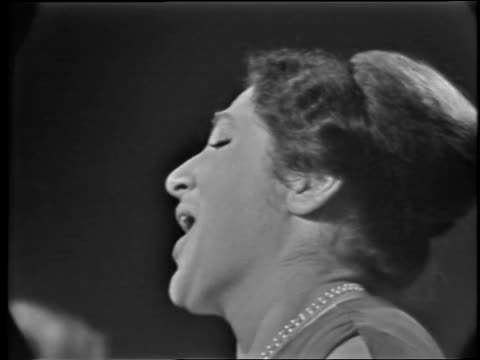
Eastern Europe, Natanya Dovrot came to what was then Palestine. She brought with her a love of the mother tongue in which she heard her first lullabies. Natanya Dovrot is a skilled concert artist with a command of the classic European repertoire. Her singing in Yiddish memorializes a culture destroyed by hatred. Through her powers of evocation, we are reminded again, as in the words of her first, chasiddic chant or nighon, how the Jews sings and sweetness pours out, and he jumps for joy. For the most wonderful things happened to him when he sang in this way. Yes, yes, yes, yes, yes, yes, yes, yes, yes, yes, yes, yes, yes, yes, yes, yes, yes, yes, yes, yes, yes, yes, yes, yes, yes, yes, yes, yes, yes, yes, yes, yes, yes, yes, yes, yes, yes, yes, yes, yes, yes, yes, yes, yes, yes, yes, yes, yes, yes, yes, yes, yes, yes, yes,
yes, yes, yes, yes, yes, yes, yes, yes, yes, yes, yes, yes, yes, yes, yes, yes, yes, yes, yes, yes, yes, yes, yes, yes, yes, yes, yes, yes, yes, yes, yes, yes, yes, yes, yes, yes, yes, yes, yes, yes, yes, yes, yes, yes, yes, yes, yes, yes, yes, yes, yes, yes, yes, yes, yes, yes, yes yes, yes, yes, yes, yes, yes, yes, yes, yes, yes, yes, yes, yes, yes, yes, yes, yes, yes, yes, yes, yes, yes, yes, yes, yes, yes, yes, yes, yes, yes, yes, yes, yes, yes, yes, yes, yes, yes, yes, yes, yes, yes, yes, yes, yes, yes, yes, yes, yes, yes, yes, yes, yes, yes, yes, yes, yes, yes, yes, yes, yes, yes, yes, yes, yes, yes, yes, yes, yes, yes, yes, yes, yes, yes, yes, yes, yes, yes, yes, yes, yes, yes, yes, yes, yes, yes, yes, yes, yes, yes, yes, yes, yes, yes, yes, yes, yes, yes, yes, yes, yes, yes, yes, yes, yes, yes, yes, yes, yes, yes, yes, yes, yes, yes, yes yes, yes, yes,
yes, yes, yes, yes, yes, yes, yes, yes, yes, yes, yes, yes, yes, yes, yes, yes, yes, yes, yes, yes, yes, yes, yes, yes, yes, yes, yes, yes, yes, yes, yes, yes, yes, yes, yes, yes, yes, yes, yes, yes, yes, yes, yes, yes, yes, yes, yes, yes, yes, yes, yes, yes, yes, yes, yes, yes, yes, yes, yes, yes, yes, yes, yes, yes, yes, yes, yes, yes, yes, yes, yes, yes, yes, yes, yes, yes, yes, yes, yes, yes, yes, yes, yes, yes, yes, yes, yes, yes, yes, yes, yes, yes, yes, yes, yes, yes, yes, yes, yes, yes, yes, yes, yes, yes, yes, yes, yes, yes, yes, yes, yes Yes, yes, yes yes, yes,
yes, yes, yes, yes, yes, yes, yes, yes, yes, yes, yes, yes, yes, yes, yes, yes, yes, yes, yes, yes, yes, yes, yes, yes, yes, yes, yes, yes, yes, yes, yes, yes, yes, yes, yes, yes, yes, yes, yes, yes, yes, yes, yes, yes, yes, yes, yes, yes, yes, yes, yes, yes, yes, yes, yes, yes, yes, yes, yes, yes, yes, yes, yes, yes, yes, yes, yes, yes, yes, yes, yes, yes, yes, yes, yes, yes, yes, yes, yes, yes, yes, yes, yes, yes, yes, yes, yes, yes, yes, yes, yes, yes, yes, yes, yes, yes, yes, yes, yes, yes, yes, yes, yes, yes, yes, yes, yes, yes, yes yes, yes, yes, yes, yes, yes, yes, yes, yes, yes, yes, yes, yes, yes, yes, yes, yes, Yes, yes, yes, yes, yes, yes, yes, yes, yes, yes, yes, yes, yes, yes, yes, yes, yes, yes, yes, yes, yes, yes, yes, yes, yes, yes, yes, yes, yes, yes, yes, yes, yes, yes, yeah, yes, yes, yes, yes, yes, yes, yes, yes, yes, yes, But just her, it reflects the central vision of that movement, ecstatic worship through song, exhortation, dance. The khasi dim were followers of the great rabbi and teacher Baal Shaym Tov, the master of the good name. Through the study of apocryphal books such as the Kabbalah, through the preaching of the master's disciples, who were called Sadikim, or wonder rabbis, the khasi dim hoped to achieve a blessedness. Their chief antagonists were called Mithnagdim. They were also
religious, but austere, rationalistic. In her next khasi dim melody, Natanya Davrat evokes the Jewish Sabbath, the prayers, the family delights, the singing, which were so much a part of the ritual of small town life in Eastern Europe. In her next khasi dim melody, she was called Sadikim, or wonder rabbis, or wonder rabbis, or wonder rabbis, or wonder rabbis, or wonder rabbis, or wonder rabbis, or wonder rabbis, or wonder rabbis, or wonder rabbis, or wonder rabbis, or wonder
rabbis, or wonder rabbis, or wonder rabbis, or wonder rabbis, or wonder rabbis, or wonder rabbis, or wonder rabbis, or wonder rabbis, or wonder rabbis, or wonder rabbis, or wonder rabbis, or wonder rabbis, or wonder rabbis, or wonder rabbis, rabbis, or wonder rabbis, or wonder
rabbis, or wonder Oh, my God, oh, my God, oh, my God, oh, my God, oh, my God, oh, my God, oh, my God, oh, my God, oh, my God, oh, my God, oh, my God, oh, my God, oh, my God, oh, my God, oh, my God, oh, my God, oh, my God, oh, my God, oh, my God, oh, my God, oh, my God, oh, my God, oh, my God, oh, my God, oh, my God, oh, my God, oh, my God, oh, my God, oh, my God, oh, my God, oh, my God, oh, my God, oh, my God, oh, my God, oh, my God, oh, my God, oh, my God, oh, my God, oh, my God, oh, my God, oh, my God, oh, my God, oh, my God, oh, my God, oh, my God, baby, oh, my God, oh, my God, oh, my God, oh center, oharı, my God, oh, my God, oh, my God, oh, my God, oh, my God, oh, my God. Oh, no, my God, oh, my God, oh, my God, oh, my God, oh, my God, oh, my God, oh, my God, oh, my God, oh, my God, oh, my God, oh, my God, oh, my God, oh, my God, oh, my God, oh, my God, oh, my God, I'm realizar.
In every age, in every place, one classic question has bothered the Jewish thinkers. It's the title of our next song, what will happen when the Messiah comes? In the context of this old melodic line, the question is being asked of a learned rabbi. He promises a feast, roast oxen, rich wines, but he also promises beauty, wisdom, understanding. The song is around, and each verse is incorporated into the next chorus. In
the context of this old melodic line, the question is being asked of a learned rabbi. In the context of this old melodic line, the question is being asked of a learned rabbi. In the context of this old melodic line, the question is being asked of a learned rabbi.
In the context of this old melodic line, the question is being asked of a learned rabbi. In the context of this old melodic line, the question is being asked of a learned rabbi.
In the context of this old melodic line, the question is being asked of a learned rabbi. Most Jews did not follow the Hasidic direction. The second half of the 19th century saw an increasing number, try to break down the separating walls of the old ghetto. Some remained pious, but others sought solutions that were secularist and political. This Jew wanted to become a member of European society, yet once he did achieve this goal in certain superficial respects, he found himself
still cut off in other respects. More and more he was burdened with a nostalgia for the old identity, the former certainties. Roshinkism at Mandlin is perhaps the most famous Jewish lullaby evoking such an nostalgia. It means simply raisins and almonds. Unzur Nygundla is another typical children's song, meaning our song. It is the song sung by everybody in the family when they were children. Here then are two familiar moods in the Jewish experience of exile. Roshinkism at
Mandlin is the most famous Jewish lullaby evoking such an nostalgia. It is the song sung by everybody in the family when they were children. Roshinkism at Mandlin is the most famous Jewish lullaby evoking such an nostalgia. It is the song sung by everybody in the family when they were children. Roshinkism at Mandlin is the most famous Jewish lullaby evoking such an nostalgia. Roshinkism at Mandlin is the most famous Jewish
lullaby evoking such an nostalgia. Roshinkism at Mandlin is the most famous Jewish lullaby evoking such an nostalgia. It is the song sung by everybody in the family when they were children. Roshinkism at Mandlin is the most famous Jewish lullaby evoking such an nostalgia. Sauridale
Sauridale Sauridale Sauridale Sauridale Sauridale Sauridale Sauridale Sauridale Sauridale
Sauridale Sauridale Sauridale Sauridale Sauridale Sauridale Sauridale Sauridale Sauridale Sauridale
A hundred years later came Auschwitz -Buchenwald -Mydeneck -Treblinke. Jewish history is a history of persecution. Too often, the Jew has been forced to be the victim of cruel circumstances. The great wave of social consciousness, which possessed 19th century European Jewry, was ironically enough not intended to be stoical. Don't look on brothers with your hands folded. Is the repeated exhortation of the narrator
in our next song? A town is on fire. Nothing will be left alive. Extinguish the flames with your blood. Show them what we can do. This is a song about a pogrom in a tiny, forgotten village of the Russo -Polish countryside, but it is made all the more poignant by the holocausts of recent history. In Yiddish, it is called Unzelstatal Brent. In Yiddish,
it is called Unzelstatal Brent. In Yiddish, it is called Unzelstatal Brent. In Yiddish, it is called Unzelstatal Brent. In Yiddish, it is called Unzelstatal Brent. In Yiddish, it is called Unzelstatal Brent. In
Yiddish, it is called Unzelstatal Brent. In Yiddish, it is called Unzelstatal Brent. In Yiddish, it is called Unzelstatal Brent. To close, a moving song that evokes the feeling of the Jews' intimacy with God, Adudila. In Yiddish, it is called Unzelstatal Brent. In Yiddish, it is called Unzelstatal Brent. In Yiddish, it is called Unzelstatal Brent. In Yiddish, it is called
Unzelstatal Brent. In Yiddish, it is called Unzelstatal Brent. In Yiddish, it is called Unzelstatal Brent. In Yiddish, it is called Unzelstatal Brent.
In Yiddish, it is called Unzelstatal Brent. In Yiddish, it is called Unzelstatal Brent. In
Yiddish, it is called Unzelstatal Brent. In Yiddish, it is called Unzelstatal Brent. In Yiddish, it is called Unzelstatal Brent. In Yiddish,
it is called Unzelstatal Brent. In Yiddish, it is called Unzelstatal Brent. In Yiddish, it is called Unzelstatal Brent.
- Series
- The World of Music
- Episode Number
- 1
- Producing Organization
- National Educational Television and Radio Center
- WNDT (Television station : Newark, N.J.)
- Contributing Organization
- Library of Congress (Washington, District of Columbia)
- AAPB ID
- cpb-aacip-512-930ns0mr1t
- NOLA Code
- WDOM
If you have more information about this item than what is given here, or if you have concerns about this record, we want to know! Contact us, indicating the AAPB ID (cpb-aacip-512-930ns0mr1t).
- Description
- Episode Description
- Before World War II an extensive Jewish culture -- warm, rich, inimitable -- flourished in Europe. In centers of Jewish religious and secular thought (such as Warsaw) rabbis, journalists, dramatists, painters, and musicians [?]ked a common heritage, and were bound even more closely by a common language, Yiddish -- that peculiar "patois", rooted in German, mixed with bits of the Slavic, oriental, Spanish, and French tongues, and written in Hebrew characters. But the massive Nazi persecution of the thirties and forties destroyed 6,000,000 Jews and sent thousands more fleeing from Central and Eastern Europe, leaving behind only the skeleton of the great Yiddish culture. Those who fled have, in the intervening years, tended to become gradually assimilated into the cultures of their new homes --such as Israel (where the language is Hebrew, not Yiddish), and the United States (where the children of the war immigrants often forsake the ways of their Yiddish-speaking parents in order to become part of the "American way of life.") This episode marks -- in music, art and commentary -- the sad transition of a strong Yiddish culture into its present day tattered remnant. Netania Davrath, noted Israeli soprano (who fled from Eastern Europe but never forgot the songs of her Yiddish background), sings the Chassidic chant, "Nigun"; another Chassidic melody; "Moschiach Ver Kuman"; the lullaby "Rozhinkes Mit Mandlin"; the children's song "Unzer Nigundle"; "Unzer Shtelt Brent"; and "Dudele"; to the accompaniment of an orchestra under Robert DeCormier while a series of works by the painter Marc Chagall form the visual background; and radio commentator Martin Bookspan, music director of New York's WQXR, provides a voice-over narration. Emily Genauer, art critic of the New York Herald Tribune, was artistic consultant.?Episode Running Time: 29:05 (Description adapted from documents in the NET Microfiche)
- Series Description
- This series is designed to illuminate The World of Music through imaginative and informative contact with musical compositions and the artists and instruments that interpret them. The episodes encompass a wide spectrum of styles from the musical past and present -- from the keyboard music of Bach and the madrigals of Gesualdo to the avant garde compositions of Edgar Varese, the protest songs of the civil rights movement, and the "third stream" jazz of Billy Taylor. And some well-known contemporary musicians represent, in performance and discussion, their special fields of interest in conversations with series host, Morton Gould. In general, each episode offers discussion and comment, concerning specific musical subjects, by the host and guest artist; a visual exploration of the "tools" of music, whether it be a precious instrument, the equipment which makes and repairs it, or a composer's score; and performance by the singer or instrumentalist of the music itself. The concentration of each of these components varies with the subject of each episode. The World of Music is a 1964-65 production of National Educational Television, produced through the facilities of Channel 13/WNDT, New York. The 22 half-hour episodes that comprise the series were originally recorded on videotape. (Description adapted from documents in the NET Microfiche)
- Broadcast Date
- 1965-01-03
- Asset type
- Episode
- Genres
- Talk Show
- Performance
- Media type
- Moving Image
- Duration
- 00:30:59:26
- Credits
-
-
Producing Organization:
National Educational Television and Radio Center
Producing Organization: WNDT (Television station : Newark, N.J.)
- AAPB Contributor Holdings
-
Library of Congress
Identifier: cpb-aacip-1ef7e7df8da (Filename)
Format: 2 inch videotape
Generation: Master
If you have a copy of this asset and would like us to add it to our catalog, please contact us.
- Citations
- Chicago: “The World of Music; 1; Twilight of a Culture with Natania Davrath,” 1965-01-03, Library of Congress, American Archive of Public Broadcasting (GBH and the Library of Congress), Boston, MA and Washington, DC, accessed June 6, 2026, http://americanarchive.org/catalog/cpb-aacip-512-930ns0mr1t.
- MLA: “The World of Music; 1; Twilight of a Culture with Natania Davrath.” 1965-01-03. Library of Congress, American Archive of Public Broadcasting (GBH and the Library of Congress), Boston, MA and Washington, DC. Web. June 6, 2026. <http://americanarchive.org/catalog/cpb-aacip-512-930ns0mr1t>.
- APA: The World of Music; 1; Twilight of a Culture with Natania Davrath. Boston, MA: Library of Congress, American Archive of Public Broadcasting (GBH and the Library of Congress), Boston, MA and Washington, DC. Retrieved from http://americanarchive.org/catalog/cpb-aacip-512-930ns0mr1t