Orange County Summer; Enchanted Village
- Transcript
Welcome to Orange County summer. It is Friday July 30th. We're coming to you from Orange County's newest attraction enchanted village. A different kind of place. Animals from all over the world are here who roam free right at our fingertips. And they're all very trained by a new method by the Creator Ralph Helfer. And the method is called affection training no guns no whips just to love and a lot of friendship communication between man and animal. We'll talk to Ralph. We're also going to talk to Tony Helfer who is the breeder here him and also Ralph's wife and a trainer and also an artist. And we'll talk to Harry Thomas who works with 10 Bengal tigers and does quite a unusual different kind of show because he also works with no webs. We'll be taking a look at the various shows. But there's a lot more and here's my co-host Arlene radio to tell you just a little bit more. In Chad a village is unlike any other amusement park around here they have man and animals interacting in this beautiful tropical setting. Well because this is so unusual. I'll be visiting what they call the touching place talking with parents and kids just like you who are feeding and touching and loving these very gentle
animals just like the mom right here. Also Tony helper will be along with some baby tigers that were born here just about a month ago. And we'll be talking about the responsibilities of raising these scopes. Also the amazing Carol Lil and her elephant Misty will be along and they will perform some of the tricks they do in their act. This is so much more we have in store for you. And now let's turn the cameras over to our Orange County some reporter windy Wetzel and see what she has lined up. Today I'll be getting better acquainted with these the RAF in talking to Ken Douglas who is the manager of animal health care and I'll also be meeting Gerry Lane and his very intelligent dummy Lester. And there's a snake charmer I'm going to get better acquainted with and also meet a snake. And finally we're going to be thing from Polynesian dancers. Now let's explore the Tana river raft ride with Bob. We're on the Tanana river raft right here an enchanted village and one of the first things that you
notice coming into this beautiful place obviously is the atmosphere and the environment that you're in with beautiful trees and water and the animals roaming free. And with me is Tony Hall for Tony is largely responsible for the beauty that we see here Tony. What kind of planning went into enchanted village trying to bring out this atmosphere of feeling comfortable with nature. Well there was there was an enormous amount of planning it was mostly done quite a few years ago by my husband Ralph fell for you know who started with this theory in the concept called affection train where we try to get a one to one relationship with animals and then incorporate animals in a form of natural setting and getting along and a good communication level with people. So it's been something that's that's been in the thralls for it really since he started this training method which was about 25 years ago and he's been trying to find a place and a location to be able to put all of this together in theory and in principle and for the public to see. Now we see a lot of the animals and later on in the program we're going to meet quite a few of them in the
basic differences we're going to be close to a Brahma Bull were close to camels to llamas to tigers. This was just in the planning trying to get the animals a little bit closer to the people who come out here to visit enchanted village. Oh definitely one of our main goals is to have the general public give it a better understanding of exotic animals and that's one of the things we're trying to do it in Chanda villages break down a lot of of the old fear and miss that existed that most people are raised with such as snakes are evil and they crawl on their bellies and we have a little reptile area over here with this young man who lets people touch a very large particularly Python and pet tarantula is you know the thing that's very interesting I think traditionally we've all been brought up just fearing animals in general. And if you try to figure out logically you just can't domestic animals like dogs and cats we immediately relate to. But you know animals like a camel or whether it be a giraffe or whether it be a python snake. And in the planning of this do you feel that you are accomplishing it. Is it geared more to children or to adults or to both to break a lot of these stigmas towards animals.
That is to both. It's really a family oriented park. And of course you're only afraid of that which you don't understand basically so that that deals on all areas of children as well as adults and. Now the various sites that we have here are completely different kinds of names and obviously it's not just India it isn't just Africa it isn't just South America. What went into this I mean that even the titles maybe even give us a few a lot of thought. And we've traveled extensively throughout the world and we've we've written down names here and there we've gone that we really liked and thought some day would be able to put into park of our own and so they came from India and they came from Africa and they came from island countries like Thailand. Places like that. Could you give us a couple of those titles I notice we had. There was one over here the India what is the black the black hole of Calcutta and it is in the den of iniquity and galley alley. Unbelievable. I came here looking down you know I felt like I was touring you know just a quick tour of the world. How many different kinds of animals do we have here. Different species.
Well we've got about 500 animal species. I would say 50 maybe 50 something like that. And from how many different kinds of countries or different countries rather from every place even from Siberia we have Siberian tigers you know we've got lions elephants leopards all different varieties of birds many different types of reptiles on and on and on cheetahs. Camels Tony I want to thank you for coming back later on the show to talk a little bit about braiding and I want to introduce you now to the Lost Island theater it is one of the most beautiful shows that they have out here and give you a little bit of taste it's only a preview look just a little bit of the taste of the way animals work with the people out here but more important it's a tribute to the beauty of animals in general so relax it back to Lost Island theaters coming your way. Oh what happened to you.
How do you. Fix it don't you. Take it easy now. Who could have. Done this to. A way. To. Fight. For the elephant. Well there is some warning signs. And if they show you those shoot all the other animals. O l o. On Friday I. Was got to tell Cong about him some of. The locals. Don't you. There.
You. Go. Oh. Yeah. Going. To gave. You. A laying. Claim. To. You. Over. The way. The. And. You're. Cool.
You're. OK. We've just seen a preview of the LA style and theater. It kind of gives you a taste of the way animals work with man and woman here on the Lost Island theater. I'm very honored to have a guest right now the legendary I should say Ralph Helfer who created a method called defection training. Thanks for being with us and thanks for having us here at your beautiful enchanted village. You ready to wrestle a lion or tiger. We just started Ralph. Maybe by the end of the day. This is unbelievable. FOREMAN method of training animals let's talk a little bit about affection training how do you define affection training. Well it's really saying that we take three combinations of love respect and understanding and apply it from man to animals and back again and we come up with a very beautiful warm relationship between the two. It's the total opposite of fear training which is. A force method that involves pain and I think this is what most of us are used to seeing the way it is with the whips with the guns and with the chairs. When you go through the various stages of
affection training let's take for example the people that are working for you now do are they going through classes of this affection training that you're teaching. Well yes in fact they were just starting a school. We're kind of proud of the affection training school and the public's going to even be able to come and enjoy nature and animals and really see what it's like to wash an elephant and to wrestle a lion and tiger and it's all based on this on the principle of course of affection training it gives people an opportunity whether employee or the public to really get back to nature and to look at it from a different perspective instead of the old style wild animal that gives them an insight into getting into an animal's head. By the same token we don't like to have people think that they're all tame little kiddies because they have the potential of being dangerous. But by the method it gives you a way to get to them safely. I'm kind of curious who is the hardest student to teach the new train or the animal himself in affection training.
I got to tell you it's the people they're the hardest to train the animals are terrific. The reason I ask is talking to Tony a little bit earlier Tony had mentioned that we do have this general fear of animals especially animals like we have behind us where we have a lion we have the zebra Can we talk a little bit about the animals that you have here how long do they go through your affection training school go and pick one random. Well actually they all start as we see babies the Although the affection training method can be it can be a very effective on older animals we'd like to start when they're young. And whether it's wholesome the zebra you see or the Orpheus the black leopard any of these here if the spotted leper up up on top they're all members of the affection training school for the animals they all started when they were young. They basically are in a simulated forest or jungle when they're babies. We visit their world we go to their areas so that they have no problems coping with society we like to keep them in a natural. Area Habitat and we visit them until they build up a great report and then we come out into the crazy city. But they come out with a friend.
Now I noticed Tony back there with the lion and our lioness should I say correct the lion that's a male is just you know it's a male see how good I am at this already. My question Tony obviously is able to have a very good reporter with The Lion. Now does one individual work with one animal or is it a series of animals that one works with. Well actually the relationships are only always better one to one where an animal can relate to one person however because they learn to love people in general and you see five in six people can work one animal very successfully However there will always be one special person an animal they get along better. I'm very curious about the first step. Let's say we bring an animal in let's say he is brought in out of the country and you're bringing in your trainer. How is that first major step taken. I mean we talk about friendship love he is used to one way the individual used another way. What is the first step getting to know the animal. Well we don't bring too many animals in by the way we do a lot of breeding of our own animals here but if in fact we do bring an animal in from the outside we put them in a back into their own environment
within our compound. In other words we put them back in the jungle immediately and leave them alone. And that is where they relax and that is where. There is no stress and that is also the place that we visit you see to get to know them in their home. That is the most basic beginning of getting affection training to the animal because once we can meet and talk with them in their language in their own natural habitat we've broken through the barrier and once they learn to trust us then of course we've come another step to finally when you do come out into the city and into our world. They understand all we know all the idiosyncrasies about them. And it's a tremendous report that we're going through painful messes of teaching to live in our world let's learn a little bit about them and then slowly a transitional period. My question when I came here on the last island theater I know purposely I think we held me down for a few seconds so they could get the scent of me. And is this again is this a step one also.
Well again it's not because he may treat you in a negative behavior but if he gets to know you to be quieter and he can pick up a scent. It's the same when one animal walks up to another and they you know that you have to realize we're just another animal to them. They pick up the scent they get the friendly feeling and then it then they know you that you're accepted and they pay you no more attention. This is just it's a beautiful environment. I don't think any of us even on the crew have had that opportunity to get even this close of the animals. I want to thank you for being with us. Thank you again for having us. We have just begun to look at Enchanted village we are now going to go over to Wendy Wetzel who's going to talk a little bit about the animal care of all the beautiful animals that are here so just relax sit back we're going to take a look at some giraffes and you can take a look at Wendy's special guest because animal care is one of the most important things in the enchanted village again and that one to one communication that's really needed. With me now is manager of animal care what's the best part about your job.
To work with the animals are also great. These two things you see sitting beside you here are my favorites. Mrs. Wadsworth and Alice are two big giraffe with his one sitting down here eating apples. Alice is speaking over his shoulder. How do you tell something about the pattern of these two particular giraffes are ridiculous to giraffes. This is by the net like pattern you see on their back. Now these particular giraffe she just learned by sight they all have distinctive facial features or body features and you can tell them apart. They all have distinctive features right now how do the children react to take a lot of time they lean way down right now I'll tell you one thing when you get a very small child and you get a 17 foot giraffe leaning down over their head it shocks them. Now if you just stand right out of your hand you can watch the gal down here feeding him and it's no different with a small child. Never get there.
No they do not buy They've got teeth on just their lower jaw just like a cow and with a long tongue is about a foot long and very sticky. That's the way they pick up their food. Right. But we have no problem with bites they do not bite they're very gentle by nature anyway. They seem to be really affectionate. I mean they come up and they wrap their heads against something that's not natural to giraffes but natural to these two because I raise this big one here wants from a baby on a bottle and she follows me around everywhere. I was about 5. Alice is about four. Will they get any bigger. This one moment right now Alice is 13 foot Wadsworth is 14 foot at adult growth was will be roughly 18 feet tall. Do they do they ever get scared. That doesn't effect and they've been around people in areas where there's a noise of music is going all the time. Normally not now if you have something like a helicopter or an airplane and flew over low with a lot of noise. They can't see it because it's overhead they would startle them. But it always starve them for a few moments till
they figure out the thing all by themselves what's happening. How many animals. All together in China Village are you in charge of including the koi fish the doves there's probably about 3000. But that's that's 200000 about 3000 quite fish animals themselves. About 400 and who's in charge of getting those diets and special things prepared for them. That's all my problem. How does one go about getting it to be an expert in animal diets and care. You just have to live with for a while be brought up as a keeper to start with know your diet. There are many books put out by authorities that should go out go buy or veterinarians you learn what the basic requirements for each animal is and then you go from there. Well thank you kant for being with us today it's certainly a pleasure to meet. Allison what's words where that's from Longfellow right there and now we're going to go see the wilderness theatre groups now the wilderness theater and a very interesting theater and that it's a bicentennial tribute to animals not just
Americans and not just the people but the animals. And now let's go to a very special thing on a holiday. God.
That the. Next day. Oh. Oh oh oh. That's cold. Oh how are you. Wow. Wow. Wow.
Wow. Wow. Wow. Wow. Wow. Wow each. I ask the hour I am going to ask that. Well it. Looks.
Like. It. Now we take you from Ohio down here to Jerry lane and a very special fan is your friend.
This is Lester Lester This is Wendy. Well how do you how do you do you how do you do what is your wife going you know she's just trying to be polite with saying I love you. How do you do you how do you do. We're going to hit the notes but here let's try this. Oh I can't do that. What's special about working here at Enchanted believes well working outdoors is something different a friend of mine visited me the other day and said they've never seen a ventriloquist work outdoors. But you have to contend with a lot of other noises. I imagine what happens when a tiger makes a roar something does that disturb your audience and disturbs us all. We hope he's not in the audience or that disturb us you know know what always whenever I say certain things in the show loud the SEALs across the way Ensign. And the SEALs make a lot of noise. What's. Special about you. Audience reaction and they don't know who's doing it with me and they don't know who's doing it are you doing it. We work with a lot of other characters besides Lester there's about seven other characters on stage. Really I didn't know that you know who had the best in the field who would be laughed at is heard and if Susie's in LCN test you're in a chicken wing. Cockburn What
does a chicken do. He talks funny in these nasty remarks to us. But you're the good guy right on the good guy right. So but nobody knows who's doing all the voices they don't realize that I'm doing them all because they're on different positions on the stage I don't handle them all at the moment and so it kind of confuses people. It confuses me and I'm there with them. Well Afghanistan at last has a very special talents to lead it. How would you like to do. Well to get do you do imitations like Terry does you want to hear one share our imitation of a cat a cat. That's very good. Thank you I know. A bird a bird. Where's the bird. Inside because it's terrible. But what else do you do less than I do my own at your own area I do that your bill is and you mean you do it without Jerry. No allele helps a little bit but I do my old and ticklish deck now you mean ventriloquism nowthen should listen and listen to me it's vent vent real real. Oh of course it was a ventriloquist anti-collision. They didn't get it.
I can't see the other thing either you know in the old in Illinois in the you mean linoleum units right. Oh that's easy. Lynn Lynn oh really. Linoleum ventriloquists know what I can do it now can you. Yeah all right go ahead. I need my dummy. Where's your dummy. Hi there. Not me. Island. Then let me have that Chester Chester down there. Oh wait this is it. Yeah I'm going to get Chester out of this is your dummy. Yeah all right what do you do. I'll say the album that when I move my legs I go ahead eat eat eat eat your lips are moving. Sorry I'll do it like with until it quits. How's that with a smile with a smile but it all right now go do it 0 8. B C D E F G H. I j k l m n o p q r s t they did the x y z think area I think it will hard let's get rid of your dummy there. Yeah what else you want to know well how do you feel about being a star. Oh I think
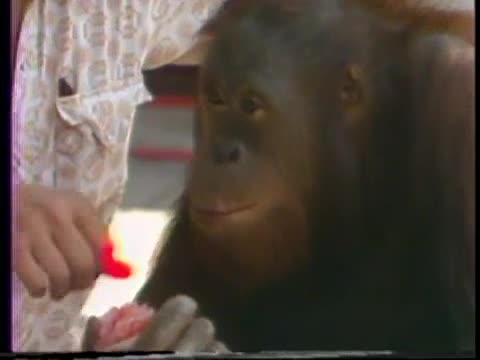
it's terrific especially with all the animals in the happening to around here you know what kind of happenings go on around here. Tell it take it take it. Well if there's a lot of things in the park there's of course llamas walking all over the place walking that their keepers and peacocks and all kinds of animals in the petting zoo that the kids can really have fun with and and well it is the Buddha who is Buddha. But it is an hour and a ten and I rang at around 10. I rang at 10 yet he not these around him. Okies around it I think he's around here somewhere. Well let's see if we can finally have his basic theory is that he's almost four years old around thought out how to build an AI Buddha. And though to go to lunch ice cream and stuff he's got the strength of about six and then five he also likes Michael. I mean he does like a microphone. Yeah that's it. Little with eating now what is that a slurpee or something I don't know cause yet Tony is that it. Oh how both it is about three and he's a really strong today. Yeah he really is
and it's so cute his little stroller like all the kids walking around the strollers the Buddha and so when that someone might come in time as they might to see Buddha a marquee name. Yes as a matter of fact in the mornings he has coffee in the in the restaurant here at the Bangor restaurant and if you want to have coffee with an orangutan This is the place to do it and we'll have a special kind of happening happened here all day and what else is in all of the Hawaiian dancers you might even hear it in the background that you're Oh I think we're going to be lucky and get a chance to see them just a little bit later. That's true that is also they the tigers around to you know oh baby. Speaking of tigers and just a moment we're going to see Arlene and she happens to have a very special opportunity because single handedly she is going to wrestle with two Bengal tigers Ilena. The tiger is a large graceful brightly colored mammal that in many ways resembles a lion especially in size bone structure and of course they both roar Well Tigers at one point were little baby cubs just as the one we have here with me now is the very lovely and charming Tony health fair who was an. An expert trainer breeder and handler
of animals and Tony you have with us a little cub that was born here a month ago. Yes this is India and India was born on June 11th and India is a Royal Bengal Boy Tiger and his parents are over in our tiger act in the gentle jungle Harry Thomas is their trainer and his mother works and so does his father so he plays nursery school with a lot of working family. How long after the cubs are born do you take them from their mother. Well we like to leave them with the mother as long as we can. In this case the parents are all working in the theatre so we took them when they were about four weeks old and. Three weeks old I'm sorry took me just about three weeks old put them over in the nursery. We preferred leaving as long as we can because then they have all the benefit of that great mama's milk. What happens when you take the tiger the little cub away how does the mother react if she cry is as housecats do. Her short period of time and then they forget awfully rapidly they forget about their children. Well then now that you've taken the cub you of course are responsible for bringing it up. How do you take care of it you have any special formula. Sure he's on a product called black and he's just
getting used to me right now we have a packaged meat that we feed in the parks called the press a feline diet. So he's just starting to eat all of that one with his milk. I want Isabelle how often does he eat. You know what's a little empty right now is the Hungry I know he's a baby he just doesn't like to sit still for too long I want to go. Right. You know I'm still about four times a day at the moment. Does it help if I don't touch me said something earlier that I make I'm a little nervous No it's just that he has a one track mind so if you feel something touching him at the moment he's liable to get antsy as he's doing right now. I was going to write a letter to hang on. Now if somebody wanted a baby cub at home as a pet what are the regulations to that that is an impossibility these days and of course we don't advocate having exotic animals in the home and we're professionals in the business we did Akkad our liar life to wild animals and it's really it's a it's a whole different kind of a world and there are many many laws against using animals in the home. The truth is is that when there were three of them born at the same time how do you tell them apart do you have any special markings. Yes well in this case we're using the
tail markings because the rings on the tail are different sometimes they don't have the rings they go down to straight lines and we just had a litter of five born last Friday and they're all with them all right now but five is an enormous litter and then you will bring them out and of course you can tell the difference between the tail you saw on that list and use of course once you get to know the animals you can tell the different personalities where you just as we do in people you know they all have facial characteristics do they have voice characteristics. It's mostly facial. Yeah they do I'm sure but we haven't gotten that sophisticated that we can tell. That way he talks you know he has a tiger sound. He goes can you tell what they're trying to say to you. Well when they do that that just means everything's OK isn't it. You know you'd be act as your security blanket so they're constantly puffing at you like your children cry whenever they're hungry what is and what is a tiger do the Bengal tiger gets restless and he cries when he's hungry such as now found out he just doesn't he doesn't want to be like all right now. You can have a gorgeous little things. Oh my gosh thank you so much for joining us and I guess right now you going to take him back and feed him. Yes take him back to the nursery with his brothers. OK now we're going to
turn the cameras over to Wendy Whetsel who is going to be trying to charm a snake. So let's see how she can do Wendy. Well I don't know how timing I am to this snake but our snake charmer today is Aaron vessel and Aaron is the official snake time head intended get it. Aaron how does someone get to be a snake charmer. Well purely by accident I mean I have a great love for all kinds of animals. And here in chen village they like you to be as versatile as possible. And it came up that there was there was a need actually you know before the park opened to handle reptiles and it was my least favorite animal. But now that I have gotten now that I've gotten into handling them I really enjoy them a lot. They're really a nice animal and I think snakes are a lot of people's least favorite animals. Do you find that the Part II in some ways there's a great curiosity about them but what we've we've been amazed with the popularity of the snake charmer I mean people come in they stay for you know an entire 30 minute
session trying to get up the courage to touch it and they have preconceived notions that they're slimy or that they're going to get them or whatever and they're very curious to see their behavior and to actually be able to touch them you know to be in close contact with what kind of a snake Do we have here today. We have an Indian rock python. It's about nine feet long as you can see it's wrapped around both of us. Better and weighs about 30 pounds and you carry a 30 pound snake around all day. Well not all day but it's about every hour on the half hour and sometimes I'm sitting sometimes I'm walking around to the park. Now when children see the snake Do they sometimes squeal and yell a few but most are most often they're just very very excited about the whole thing and they come right up and they touch it. Yes especially the younger they are the more eager they seem to be to touch it right away and their parents stand back at quite a distance and they worry a little bit and I notice as time comes in and out all the time is there a special reason why they do that. Yes it's a it's a sensory thing they don't they don't smell you know through through the nostrils. And so that they're there checking out their environment. Would you say that this does happen.
Yeah this is justice. Would you say. Just as an affectionate cynic I would say he's a very mellow snake and he's very nice. He gives good responses to people like me and he doesn't get frightened no know who's interested in the bushes right now however he doesn't really recognize people can tell the difference between two different people. Yes there's another there's another guy that keeps on the handles on here too and when he comes up you know if he's just being mellow and like around around me he'll reach his head out and start traveling towards towards Randy so I let you know exactly what he wants to do. Does he does. Well just as it's been very nice meeting you has certainly been an experience for me this is the first time I've ever had been in a snake charming position and this is a very special place here in China village where everyone can get to touch the animals just like we're touching justice here now and that's the touching place. And now let's see Eileen and see some of the animals there. Here in chanted village all visitors get to meet the animals first hand sometimes whether you want to or not because they are so tame some of them sort of just wander about all by themselves. Well
Bob because deny right now earth the place called the touching place and I'm going to be walking along and talking to some of the kids and see what animals they like best of all. Here's a couple right here. Hi what's your name. Julie Jolene Which one do you like this one. You like that one I think there. Let's go on about and see what everyone has the animals are so tame they just eat out of your hands and if they see you have food they will come by even faster. Watch out honey we've got the microphone cable in the way. Hi boys where you from. The harbor the harbor which Hallows do you like best of all at here. Good. They get to talk about shit which ones do you like. Because. They get it's they are just going crazy over this food. The more you give them the more they want and sometimes they don't even have to see the food because they can smell it and then they will just chase you around forever. Such as this what is doing here hi what's your name. Can any Which one do you like best of all. There's this one right here and this one here is trying to get the food from you.
They all are and now I think we're going to do is turn the cameras over to Bobby Kosta who is going to be working with the llamas on the other side and we'll come back here a little bit later and feed the animals some more Bob. I'm over in the other side of the touching area here and my guest over here is Karen do and with us is a four hundred pound turtle. There are two of them over here in the way we could get him over years to bring some fruit up here and want to give that to my step over here and take a little walk. Because first time I've seen a movie they're looking for a laugh I guess tortoises and what it was I write about 400 power hundred in over and they're about 16 80 years old. Made it to be about a hundred twenty five years old and they really have quite a lifespan so long before we know enchanted village might be they may still be here right. Going away now. Let's stop around here let's get some of the llamas over here. Now there's llamas were surrounded wall the wall by llamas and soon as they find out we have food I think we're going to have a couple of visitors. What they do is they put these in the cone so other. Now you love these demonstrations we put on
for you. This is great now how many lamas are you missing there are. If I should ask are they all from South America. Yes they are any range from the foothills all the way up into very high now. OK. But we're going to do is we're going to take a look at some of the animals around your and take a look a lot of the faces and right after that we're going to take a look at the Polynesian dancers here who do a dance or tribute to New Zealand. So just sit back relax and take a look at the animals. I could talk. To the. And. Just. Imagine it chatting to a chimp in chimpanzee. Imagine talking to Tiger chatting to a cheetah. So who want to need to achievement. Talk. To the. Dangly just maybe take an animal to sleep. I study an eagle. My beagle guinea pig and. I would converse. I live there. And I would. See A.
Group. Of people ask me Can you speak rhinoceros you might say I. Can't you know. I could say that without caring. Man to. Be easy. On TV. If I could walk with. A. Gun to school with me on a. Day. If I consulted with. I. Think. I'm going to. Ask. Of A. Crocodile city. Or maybe country to us we live. Laura says What a lovely place the world would be. If I spoke to her. The.
Food on the plane see discussing East runs with him to make a big step would really. I'd learn to speak and to touch. My Pekinese would be extremely good. If I was sitting in him a halter. I'd say right now to. Get my coat. I.
I. I. I. I. I. I. I. The elephant is the largest animal around that works. Walks on four legs. It's also one of the most
interesting animals around. For as large as it is and as much as it weighs once tamed it has a very gentle disposition. There are two types of elephants. The African elephant and the Asian elephant. With me now is the very talented Carol Lil and misty and in just a minute they will be performing some tricks out of their act. But first we're going to find out a little bit about elephants. Carol is she African or is she asian. Misty's Asian elephant. How do you tell the difference between the two. Well there's a lot of physical differences. But one of the best ways is like their ears an African elephant has really big large ears and Milton's ears are quite smaller. And the Asian elephant is a little smaller than the f right is that right. The Asian elephant tends to be stockier build and the African is taller leaner looking. How much does Misty eat per day. She eats about three quarters of a bale of hay which is about seven pounds a head. How much what is she doing. About 50 gallons 50 gallons of water I can't even get one glass down to her trunk. Now is there any bone in there or is that all muscle no it's all muscle. And what does she do with
it. She uses it to drink water not she doesn't drink all the way through it she sucks it up and then puts it in her mouth and then she also uses her trunk like a hand you know to pick up food and that's really their whole being their trunk if they didn't have a trunk I don't know how they could exist. How long does Misty live what is her life expectancy lives about the same length of time as people do 50 to 75 years. No one really knows for sure they haven't kept up on the studies on it well enough to know great how long you've been working with her with Misty about three months three months Well now we're going to take a look at some of the things you do in the show with her. OK all right. Great. BILL BILL BILL BILL BILL BILL BILL BILL BILL BILL BILL BILL BILL BILL BILL BILL BILL BILL BILL BILL BILL BILL. Bill.
Bill. Bill Bill. Bill Bill. Bill. Bill Bill Bill Bill. With. The. Heat. And I was over to.
See what he's doing with the tiger. Was right there. Yes.
It's a. Set up. Right.
You just saw the work of Harry Thomas and now you get to meet the man himself the man who runs in there with 10 Bengal tigers with no gun with no whip. Tell me Harry how do you do it with 10 cats. Basically through our type of training we train a lot with love and respect for the animals and we've tried to do away with what we call fear training in the older methods which were the whips guns and chairs and I try personally to get a closer approach with my animals through contact and through them wanting to perform instead of
being forced into it and it takes longer but I think the end results are much better. Do you find this kind of communication that you are talking about in your show yourself you do some remarkable things you pick up the cat and then you associate with in a very personal level do you think this is the key to the whole thing. I think it is a lot of people sometimes misunderstand the term affection training and I think it's very simple. Myself I don't have children I consider my cats my children and I treat them like I would think I would treat my own kid I give it a lot of love and in turn I want them to respect me I don't spoil him but I think it's a one to one relationship and I think what I'm going to try for children and not a Bengal tiger but that I love your children. Harry thank you very much. We appreciate it and now let's take a look at the community calendar with Wendy Wetzel and Arlene radio. First of all we like to give a very special thanks to Harry Thomas for putting on the special show with the Tigers for us. Right and the reason you see us sitting in empty rows is because everyone else is watching some special shows and other parts of intended damage to that special show it's put on and downtime for us. Yes.
OK now for community calendar for something out of the ordinary a star parties being held tomorrow night at mile square Regional Park in Fountain Valley sponsored by the Orange County astronomers in the party will give the public an opportunity to observe celestial objects through telescopes the event starts at dusk and ends around midnight and a mission of the 18th annual mission the housewarming championships are taking place on Saturday at the swimming complex. And the final start at 5 p.m. That's some pretty good swimmers over there. And the nifty fifties in the rocking 60s is the theme for Wednesday night's free music concert at south coast village. And those of you who would like to get into nature a little bit the techer wildlife sanctuary in Orange has special nature trails and tours every day from 10 to 4 p.m. so you might want to try that. And the Golden West college you can't take it with you. A classical comedy this is Saturday and Sunday at 8:30 p.m. and bounds up a bicentennial a musical review is in Fountain Valley Community Center at 8:00 p.m. It's a dollar twenty five. And the angels played Chicago tomorrow night at 7:30 p.m. at the Anaheim
Stadium and I think that's a pretty full weekend for all of us. I understand Bob is a very special guest now that we're going to get to realize it has its own radio what is it you know. Thank you very much ladies my special guest is Gail he's a clown with the Ringling Brothers and Barnum and Bailey Circus Gail we're going to be out there next week at the Anaheim Convention Center. Tell us a little bit about the circus How is it going and what can we expect this year. Well we have a whole new line of this year. For one thing that's very special this year is the 10 polar bears that we have in the circus and it's the first time in 30 years that a polar bear act has been presented in this country and we have some of the regulars like the King Charles troupe that has been with us for about six years a lot of the cyclist right. The King Charles Troops perform on unicycles says and play basketball in the ring and then we have phantom of balance Alvin Bale who's the who is the daredevil of a circus this year who does a wheel of death they call it and he balances himself while walking on top of the wheel as it's rotating in the ring. I should mention to the viewers that all these things again are describing we're going to be covered and it's really an amazing kind of program that you have lined up. Talk
about the clown school that you're teaching at the clown school right. So you have two clowns excuse me. You know you're Irish ganging up on me right. Your teacher the clown school employee of a Clown College in Venice Florida that we operate eight weeks out of the year to get new people into the circus and I teach there and we have classes ranging from dance acrobatics mime slapstick still walking juggling equilibrium nutrition on the road how to put on makeup make costumes I think our lives are not going to go you know I think we're going to be going to St.. Well yeah this is we're running out of time I want to thank you for joining us we'll see you next week at the end I'm convention center. Make sure that all of you join us we had a terrific time here to shine a village about and join us if they'd like. Sure. Please do out of the circus and now we're going to turn over to the enchanted village singers and they're going to close our number here. And thanks to everyone here from US to you good night good night. Slow on the I met. A little face.
To see Carla. There's her bowl below. Normally I love to run some but really this does go right live some fire rego and sing songs not Bieber. And I know I know. Me Oh. My. Yes I think that's
true. They love me you. Love me a little bird waiting. For you when they see me. Yeah. Yeah.
- Series
- Orange County Summer
- Episode
- Enchanted Village
- Producing Organization
- PBS SoCaL
- Contributing Organization
- PBS SoCal (Costa Mesa, California)
- AAPB ID
- cpb-aacip/221-13mw6ss0
If you have more information about this item than what is given here, or if you have concerns about this record, we want to know! Contact us, indicating the AAPB ID (cpb-aacip/221-13mw6ss0).
- Description
- Episode Description
- This episode tours a theme park called Enchanted Village (1976-1977) which combined a zoo with family entertainment. The park's founders, Ralph and Toni Helfer, are interviewed, along with several of the animal trainers and performers. The park was known for its use of "affection training" which aimed to minimize animal cruelty. The episode showcases several of the zoo's animal attractions, including tigers, zebras, snakes, and giraffes. There are a few singing and dancing performances by the amusement park entertainers, including a Polynesian dance and a hoedown.
- Created Date
- 1976-07-30
- Asset type
- Episode
- Genres
- Magazine
- Topics
- Local Communities
- Animals
- Rights
- Produced by KOCE-TV, Coast Community College District. Copyright 1976, All Rights Reserved.
- Media type
- Moving Image
- Duration
- 00:58:56
- Credits
-
-
Director: Greene, Gary
Executive Producer: Corbin, Paul
Guest: Helfer, Ralph
Guest: Helfer, Toni
Guest: Thomas, Harry
Guest: Will, Carol
Guest: Douglas, Kent
Guest: Lane, Jerry
Guest: Russel, Erin
Host: Wetzel, Wendy
Host: Acosta, Bob
Host: Radillo, Arline
Producer: Greene, Gary
Producer: Acosta, Bob
Producing Organization: PBS SoCaL
- AAPB Contributor Holdings
-
KOCE/PBS SoCal
Identifier: AACIP_0006 (AACIP 2011 Label #)
Format: U-matic
Generation: Master
Duration: 00:30:00
If you have a copy of this asset and would like us to add it to our catalog, please contact us.
- Citations
- Chicago: “Orange County Summer; Enchanted Village,” 1976-07-30, PBS SoCal, American Archive of Public Broadcasting (GBH and the Library of Congress), Boston, MA and Washington, DC, accessed April 5, 2026, http://americanarchive.org/catalog/cpb-aacip-221-13mw6ss0.
- MLA: “Orange County Summer; Enchanted Village.” 1976-07-30. PBS SoCal, American Archive of Public Broadcasting (GBH and the Library of Congress), Boston, MA and Washington, DC. Web. April 5, 2026. <http://americanarchive.org/catalog/cpb-aacip-221-13mw6ss0>.
- APA: Orange County Summer; Enchanted Village. Boston, MA: PBS SoCal, American Archive of Public Broadcasting (GBH and the Library of Congress), Boston, MA and Washington, DC. Retrieved from http://americanarchive.org/catalog/cpb-aacip-221-13mw6ss0