The Rochester I Know; 111; Lester Harrison
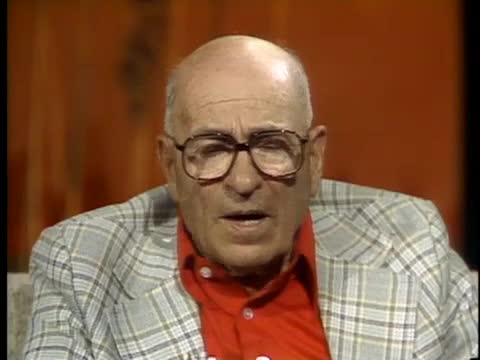
- Transcript
Illa. Illa. Hello and welcome to the Rochester I know our guest today is Lester Harrison the founder coach and owner of the Rochester royals a professional basketball team in Rochester from one thousand forty five to nine hundred fifty seven less. Welcome to the Rochester I know my dad the last is also the founder of the Rochester University basketball classic formerly called the Kodak classic and that's still
going on today. Les there are many folks watching this program who remember the Rochester royals and who remember you and remember that outside that game against the New York Celtics. Well April 21 the New York Knicks you're going have to correct me this whole this entire half hour because you have no facts. Your Fingertips I'm on the great Rochester royals but it was the Nixon in 1951 and you won the NBA town like Rochester New York knocking off the New York Knicks for an NBA title. It's fantastic We're going to get to that in a few minutes. But how did you get started Invesco ball and and why. Well I. Thought I could play basketball because I played on the East High School basketball team and those oldies tyo least on Alexander and Alexander Street. Where do you live at that time I live there at that time I live in Vienna
street off the jewels of the heavy. You know we're going back to 19 years I want to ask you to worry. Three is when I graduated so I played on the team of 23 in the East High School. So you're going back to 23 you're going back 60 years. Swallowed your cousin might see did you get interested in basketball. Well I played as a youngster you're playing in the playgrounds and I seem to be that I thought I was good at it. So naturally when I tried out for the high school team I made the second team and I eventually made the first team and became a regular. And that's how I got interest and I played very well. In the rivalry game between East High and west high and Incidentally there was only two schools in those days. These are that we wager high school as if he were on the side of the river Genesee River and west side was on the west side of the river. And that's how they call of East High and west and
I had a great night in that game and the score for the last Fed was 5:40 they need to start the championship again 91 heat with East High School and I got 16 of the 20 points. Yours are as many teams as many points as the whole West Hightower and then ice unless you've got to be a basketball player. Credible do you remember any of your fellow players at the time. Oh yes yes I do remember some of them are alive and some of them are gone. Yes I do the 20 seem to be a great year for East and Alexander Street so many people in this community who went on to become community leaders like yourself came out of East High School and Alexander Street in the 20s. What a remarkable period. Yeah that's right now how did you get started in Semi-Pro basketball out of high school. What were your circumstances when you graduated from high school when I graduated from high school. Unfortunately my father passed away and there was
my sister and my brothers and myself and my mother. And I be in the oldest. In the family we had to eat. I couldn't go to college. My planes were shattered. In fact I had the planes and in my in the High School Book your senior book it states what you're going to do and it says I was going to go to University of Penn. I was inclined I did want to be more of an occult things like that. Business is now I have basketball scholarships in those days. Yeah but I couldn't accept any scholarship because we had to live we had to eat we have family you just saw you had other response I had responsibilities and I could not leave my commitment to my family and and my father was a fruit and vegetable business. He peddled fruit and vegetables with was a huckster with a horse and wagon. And I inherited his horse the wagon was a sold goods so we had a bio wagon and I.
Peddled food vegetables and made a living to support our family. Would you do that alone or did you have I did let myself my brother help me and my brothers younger brother my younger brother were with me my late brother has passed away. His name was Jack and he he worked his way to the University of Rochester. He worked summers with me. And here in his own keep and he played on the high school basketball team he played on the baseball team and but we had to work in there can think of me going to college that it was all over with. I just had to work and support a family. And at night I would play. I had to have some recreation you're young and vigorous and. A lot of energy and you like to play basketball so I played the independent basketball with the themes. So Allen Ybor for me were brothers and we were brothers what is up with market fruit and produce. They are also in the liquor business today. And he says why don't you get Les the team
together in we can have our own team and I says fine Allen that's great. So we formed the team and we know this is a semi-pro semi-pro TV while we were playing in Rochester we were playing the leading teams in the beginning. In Rochester and. I formed the team and we call them a C room basketball team in the bay and later on we call them the brothers basketball team and we did play and we got better we would beat the teams in Rochester and we'd win the championship team. We would win every year and then we started to play the leading basketball touring teams that came through and played them and we were very successful in what kind of story teams would come to these are again semiprofessional. Well no you had teams like the House of David the Oklahoma Indians the New York Renaissance the original Celtics
the globe trotters that played serious Why did you play for in those days to play and play for money as they came in with a guarantee they could get 50 or 75 dollars for the whole team for that not for one player for the whole team for the whole team. You're not talking about this day and age you're talking about. In the 30s you're talking about twenty nine with the stock car crash a stock. Market Crash. You're talking about days when there wasn't much money when a dollar was a dollar and those players played because they wanted to play. They love to play and I believe the money was secondary They just loved to play basketball just like I love to play basketball. And then we decided in forty five forty six forty four forty five my brother and I wanted to go a little bigger. And very friendly. We went on our own with the brothers then
Jack and I went on our own and we formed the Rochester pearls. And we played some leading teams again. And they were it was just still a semiprofessional basket. Yes I would say some of my professional we played teams we played the amateur teams such as the Akron good years Akron Firestone's and the Celtics and the rest of the teams that I mentioned that you play here is Rochester playing Akron to play teams in the National League. We brought in Hammond Indiana. We played two games with him. We beat him one way last month. We looked good against some of the teams that came in. Some of the professional guests we looked good. We would win. Or we lose. It was respectable and just them and then Jack and I decided hey let's get into pro basketball. This is what years this this was the year forty four
forty five and in forty five we got the franchise we went to Chicago and attended a National League meeting and we were ordered a franchise and we got some money together and this is the National Basketball League. You said not yell and be NBL and we got monies together. And they said. What do you do for players. Get your own. We can get our own you get your old were a new franchise and if you could you could call it so they would call it an expansion franchise where they don't stock you up with players. So we had our own show you and your brother Jack and I go out and get a team that is right Jack left that to me because I was the basketball man he was the attorney he he took care of that I took care of the basketball. And we went out and we picked the players who toured against us in 44 and 45 and we just put our monies
and we both depended on my judgment. We put our monies on the line on my judgment to be able to pick players strictly on my judgment who to go pick. Well we picked we picked the fellow by the name of Otto Graham that you heard of that became a great football player picked Red Holzman. Who was very successful auto played professional football. Yes right. He had a year to spare when he got out of service. Brown signed him and he had that one year. And incidentally Graham was an all-American basketball player out of north western music as well as an all-American foot that is right. Yet Otto played for us that year and we had Red Holzman there where we read from. Red was from City College of New York. He already had a good reputation. See
they never fooled with the East because the league was Sheboygan Indianapolis Chicago. They relied mostly on the western ballplayers who were no teams in the east. Don't teams you form the first worst team in the east. That's amazing Bob Davies when I was abducted into the Hall of Fame said the same thing as I'm telling you he says we represented the whole East he says an expansion team. And in the first year we win the World Championship of the NBA of the NBA which was the only league so you could know who it was that team. Well that t was Red Holzman Otto Graham. Al Servi came out here out of Buffalo out of the sand lots of great basketball player. He was a sandlot basketball player so it looked like yourself. That is right. And. Alan the grotty from Seton Hall Johnnie Manchin he came out to right field they both came out to right
field from date Dayton Ohio you know that's an Air Force Band. George Atlantic another great basketball player. And Bob Davies. And then we had where was Bob Davies from because I know how Davies was originally from Harrisburg Pennsylvania. And he came out of Seton Hall College. And I got to tell you how I got by Davies. Generally I picked my own ball players because I'd have to see him with your own money tied up in it. I think you have to look carefully and al-Megrahi one day said to me you know he said there's a player out of Seton Hall that's coming out he said. And he's getting out of service and less trying to get him. Wow. I said he's just another basketball player. Unless he's probably the best offensive basketball player in the country. Well generally you'd laugh because everybody thinks they're great in any business but I respect that al-Megrahi
and his intelligence and his know how and he said I says you're you kidding me he said no. He says he's in Chicago he's picking up a trophy. He played also at the Great Lakes. And. Bob Davies played on the TV with Seton Hall that went on in the 40 straight victories in college I think was 44 45 and he was picking up his most valuable player when he played for the college All-Stars versus the the pros of which represented the National League that's the league we got in that was considered the only league. And he was the most valuable player. So he was stopping off at the Herald American to pick up his trophy. And I called him and he said to me of course we won nine straights bunching up starts and we were the first one at that time to upset Fort Wayne who won three straight years without losing the game at their place
and we beat them. And I told them who I was he didn't know me but he knew Red Holzman the new album The grabby and he gave me a figure and I said. I got to talk to my brother Jack who wasn't there. What were you going to tell us what the figure Asaad thought it was a thousand dollars a month thousand a month and I said what are basketball players getting today a month today that's just their change for meals. Thousand dollars. And he said I says OK and I says you join us. And he did. And he said here's one thing I remember he said Mr. Harrison I'll earn my keep. I'm not worried because our earn it. He says I'll make this ball club thing. Now when he joined us I had inspired him. How can you start a player when you're winning nine straights
you got easily into the lineup. Now you have Bobby ones around the small lobby joined us a couple years later. He was going to school who still put his apprenticeship at Seton Hall OK we'll get to that. We'll get that. And Sol Davies joined us and when he played it was a misfit. He was too fast he hit somebody in the head with the ball but I could see had to speed. And eventually after he got in with the fellows they. Played better they moved faster. And he was a great playmaker. Him and Al serve he just teamed often Red Holzman just great. Those are all. I hope and read Alan and Bobby ones are some they will make the Hall of Fame their great and capable to make the Hall of Fame and he threated in and blended in there was just this great needs he said to me in my earning way money I says Yes you are that.
That's amazing that a town the size of Rochester at that time right at the end of World War 2 could attract that caliber a basketball player when large cities throughout the country couldn't. Now why is that. Was that your work and your brother Jack. Yes it was I was an actual as I know I went out and I went after the players I went after him all in Gotham of course you must remember. There was no Philadelphia team there was no New York team and there was no Boston c we represented the whole East in the National League the only paid for play basketball this is the NBL NBL. This was followed by the B A Basketball Association of America. The owners of the arena Reno olders formed the basketball league and they some of them dropped out the following year. A lot of teams dropped out. They didn't have. The superstars so four of our teams from the National League joined the B A
A and they were Indianapolis Minneapolis Rochester and Fort Wayne. We joined them because we had the superstars we had Davey's we had. Then we had ones or we had Davey's ones are Red Holzman Al servi. Minneapolis had Jim Pollard who's in the Hall of Fame in Georgia and we had the superstars they needed us. That's why you couldn't get a little city like Rochester to get in to the big cities. It's amazing the rushers i'm a while because you have the opportunity at that time for us to to get in then the following year we took in the rest of the National League into the B.A.A. and then. Team sorted out and dropped out as they went along and then we formed the bee the NBA which is at the present to present a National Basketball League.
Had you or if I'm one of the founders of the what year was that last. That must have been forty nine and fifty. The NBA was formed how do you do in that league now you're in the rout we all did it we were winning we were winning. We won the title 50 51. Our teams were the best because we had the superstars. Let's go to Minneapolis one let's go to that great 1050 April 21 1951 game we won the seventh game that was played in New York New York. How do you lead up you had to beat the Lakers and George Michael who was voted the best player in 50 years of basketball how did while we beat the Minneapolis Lakers in the semifinals to go to play the next we won the Western Division the Knicks won the Eastern Division. So we had to play for the title like they do today. And they had big mike and they had the best of it because we had a start there and it was three out of five. We lost the first game easy. They beat us by 18 points.
You're in Milwaukee you know we're in mini atomy Apple and same time we're playing in St. Paul your party. It's Minneapolis St. Paul we're playing in the same Paul and. We were going to lose the next game it looks like they could win the series because we have a chance to win a home. So I got up I was thinking we had a day off. And I met with the players in I says fellows I've got something on my mind. If we lose tomorrow night in Minneapolis. They're going to get the third game so they're going to if we win our two they're going to win it. I got an idea. If we lose the owner Les Harrison will take the blame. You don't have to worry about it. Lose the ballgame and I'll take the blame. I've got an idea. And this is what's going to be Red Holzman was then in the twilight of his career and that was before the 24 second rule. You can hold the ball. And I said red is going to start and play the whole Forty
eight minutes and then wasn't playing much at all just filling in for a player. But he was very valuable because he was very smart and he worked along with me with the youngsters. So here is the money that they read in even though Nice's read and I told this to George being who's writes for The Times Union I says George I got something tomorrow night that you're going to believe and. I called the meeting and I says if anybody wants to play we're going to hold the ball and you're going to give anybody gets the ball they got to give it the Red Holzman Red's going to do all the directing of the game tonight. And I went around the horn as they vs. You want to play yes I do. What do you do with the ball. I'll give it the Red Holzman. You play that went around the horn. The next they had started they gave him the ball. We beat them 67 to 64
who had got 10 field goals is like 30 today. Nobody figured he would do these things but he was smart he knew what to do with the ball and then he take a shot and he was a good shooter. You don't lose that stuff if you got it as a sheet out from the outside. Yes yes from the outside. And then the next two games we went at it at home in Red never got the game. And you won both of those handily Yes we want to we want to and we won that we won that series and you went on to the next now going on to the next now we build the first three games. And now are coasting we lose the next three we thought it was easy just get down on the floor. But against pro ball players you got to give out. You've got to play hard. There's no such things as anything easy. Now we're going into our final game and we're leading the first half. And what about three and a half four minutes to go. We started to fall behind. In the first half. Is that the end of it you're out of the way that they have at the end of the game were starting to fall behind.
And I said and read Hall's was sitting on one side of me. Fuzzy Lane One of my players also has some money other side I mean he says you've got to pull out Davies. And they says he doesn't look bad. You just say what is that beyond the water there how you're using him he looks so bad trying so hard and anything he did didn't look good or didn't do good. So I pulled him out. He put on his jackets. Time was called after he rest the SAT DOWN. I says Bob take your jacket off get back in there in that same minute the time and time out why. Red looked at the fuzzy look that mean the TSAs. What are you crazy as a look at Fellows this is the seventh game there is no tomorrow. If I'm going to lose I will lose with my best. Bobby get back it. Now he was relaxed already. He got back in the ball game the first thing you know he stole the ball from from axis while ski who was a
an all pro. He went down he made the basket. He made some good passes he cost Brock call. He caught reizen on a nice turnaround shot and it was Davies incorporated the last three and a half minutes we would go in the way no less wonderful story. One stroke do you think we'll ever have another great professional team like the Rochester royals here in Rockville or do you think she'll be you're the sports arch IRA say our loft the and born up in Rochester I'd love to see any major league sport here in Rochester. But number one we're not big enough. Number two the salaries today that are being paid. We already concede a thousand people. It would be extremely impossible to have a major league basketball team. But you couldn't get a franchise if you wanted to if you're once in and you pay your bills and play your team you stay in. When you get out. They will not accept the small city. So you
can get in if you wanted to get in. We lost the Rochester royals in one thousand fifty seven to Cincinnati I get is right they did they buy the franchise for the hall we moved it over there because we were losing money and we just couldn't make it here. It's just that they'll be supported. Did you go to Cincinnati I went for the first year but I didn't move from Rochester I stayed home and commuted. What have you been doing since that year that 900 58 or 59. Well I did a little. In the building business for three four years and my love was basketball my heart wasn't in anything but basketball and then with Alexander at the University of the late Lou Alexander and with Gerald Sorrell the president and chairman of the board of Eastman Kodak. I was able to get the Alexander to come up with his team to start the Kodak classic. And with the help help of Gerald's or until I was very
friendly and very cooperative. And we called it these a cold day. He was then the president of Kodak not again at all at the time. Later on he became president and chairman of the board. That's the Rochester University basketball classic it's held every year about when the holidays Christmas and the years between when we bring in leading the vision with University Division One teams in Rochester I mean in the country we bring them in and that and that's your that's your major project that is my message is something that I want to I want to see major stuff in Rochester and that's one of the main reasons because we are bringing the vision one teams that are most of them are better than average. In fact some of the teams that we did bring in we brought in teams from the coast we brought in Stanford. And you can name some more team I know you brought in Brown the first week Rogers Brown the first year in 63. Lester Harrison probably the most important person in this community to bring professional sports here in a big way
founder of the NBA Basketball Hall of Fame What year was that. Lester in the Hall of Fame I was voted in the Naismith the Morrill Basketball Hall of Fame in 1979.
- Series
- The Rochester I Know
- Episode Number
- 111
- Episode
- Lester Harrison
- Contributing Organization
- WXXI Public Broadcasting (Rochester, New York)
- AAPB ID
- cpb-aacip/189-859cnxqn
If you have more information about this item than what is given here, or if you have concerns about this record, we want to know! Contact us, indicating the AAPB ID (cpb-aacip/189-859cnxqn).
- Description
- Series Description
- "The Rochester I Know is a talk show featuring in-depth conversations with local Rochester figures, who share their recollections of the Rochester community. "
- Created Date
- 1997-12-29
- Genres
- Talk Show
- Topics
- Local Communities
- Media type
- Moving Image
- Duration
- 00:28:21
- Credits
-
- AAPB Contributor Holdings
-
WXXI Public Broadcasting (WXXI-TV)
Identifier: LAC-908 (WXXI)
Format: Betacam: SP
Generation: Master
Duration: 1669.9999999999998
If you have a copy of this asset and would like us to add it to our catalog, please contact us.
- Citations
- Chicago: “The Rochester I Know; 111; Lester Harrison,” 1997-12-29, WXXI Public Broadcasting, American Archive of Public Broadcasting (GBH and the Library of Congress), Boston, MA and Washington, DC, accessed June 18, 2026, http://americanarchive.org/catalog/cpb-aacip-189-859cnxqn.
- MLA: “The Rochester I Know; 111; Lester Harrison.” 1997-12-29. WXXI Public Broadcasting, American Archive of Public Broadcasting (GBH and the Library of Congress), Boston, MA and Washington, DC. Web. June 18, 2026. <http://americanarchive.org/catalog/cpb-aacip-189-859cnxqn>.
- APA: The Rochester I Know; 111; Lester Harrison. Boston, MA: WXXI Public Broadcasting, American Archive of Public Broadcasting (GBH and the Library of Congress), Boston, MA and Washington, DC. Retrieved from http://americanarchive.org/catalog/cpb-aacip-189-859cnxqn