Rock and Roll; Blues in Technicolor; 106
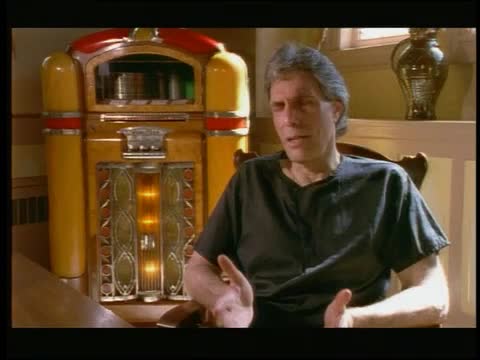
- Transcript
Rock n Roll is provided by the Corporation for Public Broadcasting and. Financial support it gives you the Experience Music Project a celebration of creativity and innovation for American popular music and culture in Seattle in 1999. The National Endowment for the RadioShack with its line of Optimus audio equipment official sponsor of the Rock n Roll Hall of Fame and Museum. And by the Boston Beer Company. Brewers Samuel Adams. Do. You. Love beer. In the mid 1960s. Rock n roll was enjoying a Golden Age basking in the intricate lyrics of Bob Dylan the growing sophistication of the Beatles. The exuberant dance music of Motown. But from California a new more radical sound was emerging from a
desire for musical experimentation and a new drug subculture focused around LSD. Rock was about to go psychedelic psychedelic. I'm not quite on precisely what it means. I mean does it literally mean mind revealing. Does it mean a substitute for LSD does it mean LSD and so does it mean like movies. I mean is it any of these things. All of these things are none of these. Psychedelic music is music that expands your awareness your consciousness. It's that simple. I guess it would be music that kind of bleeds together on hallucinogenic drugs. Everything kind of blends together you see colors and you hear taste sounds and you know the senses are kind of intertwined. It's music that triggers some kind of response that takes your mind like beyond almost what you're hearing in some way. That's probably really lame ex-pastor acts like the floaty. Not clearly defined not terribly rhythmic and not terribly
melodic psychedelic frequently with psychedelics. I could talk to anybody I could make myself understood and I could understand what people were saying to me but I knew I could communicate with music no problem. And Crosby hit. Me. In April 1966 the Byrds unveiled a record which put them at the vanguard of a new sound b. C. C.
C. C. I. Was trying to emulate the music of John Coltrane. I believe it was India and there was every repetitive line needed to do that and I wanted to get the almost the valves closing on a try to emulate that on the 12 string. So the sustain made that possible with a. Roaring sound like a wind instrument as opposed to a string instrument. In the previous year the birds and topped the charts twice. But this new record was barely on the shelves when disaster struck. There was a report in the States called the Gavin report. It was a radio station tip sheet.
I sent little flyers around to radio stations telling them what songs they thought were good and which ones I didn't like so much and eight miles high came up on the list of ones I didn't like because I thought it was a drug song and they recommended that it not be played anymore on the radio and consequently it wasn't. In Miles I was actually a very interesting example of censorship. The Gabin report accused miles of being about drugs and Dylan's body must get stoned but of being about drugs. I can't imagine why. And we had a hit with a fight going at the time and they actually killed it. Elvis had been called lascivious The Beatles sacrilegious but this was something new. Well I think the word High was a double meaning and we all knew it everyone and that at that time we experimented with drugs. That was a tongue in cheek thought about
the word high but it wasn't the main thrust of the song. We had a strong feeling about drugs. We thought now the drugs that we're talking about then were psychedelics and marijuana we thought that they would very much help us blow our generation loose from the 50s. This is a drug lysergic acid Diantha limine popularly known as LSD. If you hadn't had the advantage the you with LSD was a uniquely powerful drug just a tiny amount could produce wild perceptual distortions which afficionados dubbed psychedelic or mind revealing. Eight Miles High was the most public evidence of a psychedelic scene that had been growing in California over the last few years. At its center was a young writer who had been introduced to LSD at Stanford University after acquiring his own supply. He loaded up an old bus with amplifiers and strobe lights and one on the road to stage what he called
the acid tests. To me it's always been proof of a god that you can kind of sense intelligence of their gods and hey there's squared up over in America. See what we can do with them gave us some of that new stuff we just did. As it does remain in the remainder of the night right there. The acid test where a way of getting people together going through what can be a hellish experiment and finding that there's people around you. Who are doing the same thing and it's positive. Thing Kinsey's acid initiation ceremonies were wild chaotic events with light shows improvised happenings and musical interludes from a local R&B band they were very bad looking bunch of
guys. I wasn't that interested in their music but I sure thought that they were on their way to no good. What we did was. R&B plus a large amount of weirdness inserted into it you know and we just didn't seem to be able to not do it. You know I don't know why we started doing it we just it just started coming up you know. It's so we'd we would be doing a simple R&B song and it would turn into this 20 minute thing. Jerry Garcia was well-known on the San Francisco music scene. He played in jug bands folk bands and blues bands. Now he added LSD to his list of influences. Improvisation was the first thing I learned about music. I mean the first concept was introduced to me was improvised. You know it's like for me it was like what music was really you know when you play the play you made up is usually.
Even if the bands were playing there was always something else going on. Another corner where there would be crowds of people involved watching you toss a hammer and stumbling. Or crawling into the speakers huge puddles of people would crawl into the speakers and lie there staring at the sky. It. And. It was just the most diverse collection of experiences that you can put in one room. You're in this business man and he's all these funny looking people there and he just was his answer to is what the pastor said a dollar a dollar a dollar they came on in. And at about 11 o'clock as usual when we passed out we asked him about an hour later you saw him and his eyes were swimming around his head and he saw a shadow. On the floor and he says look in the shadow and he says
the king walks and walks like umbrella obvious is the king turn your head. And he says now the king dances. Pretty soon he was dancing with these little hippie carols swirling around and having a great time and I've often wondered what came of this guy. I love my. Dog. I love my heart. Paul. And San. Francisco in January 1966 Kizzy and his merry pranksters staged a three day acid test in San Francisco a city known to revel in non-conformity. Sound Cisco is as it has always been. I think even from his earliest days filled with crazy people. It's a sea portal around the world mostly seaports is where things happen most people from other cultures were generally going through them you know. Ideas would get interwoven.
That probably has something to do in the 1950s San Francisco had been home to the beat generation the bars and bookshops of North Beach were full of pop poetry folk music and blues. Now the young hipsters greeted this new music with open arms and open minds. At first it was a small scene nestled in an old Victorian neighborhood on the edge of Golden Gate Park. But soon Haight Ashbury boated the world's first psychedelic shop its first psychedelic newspaper. And its leading psychedelic bands. Just about every day on a sunny day there would be drummers down here drumming and people settling into their trap. I mean a lot of people took their first trips in Golden Gate Park and had that cheery smiling community feeling that things are going to be pretty darned good. We're going someplace. Everyone was influenced by the idea of doing basically two things.
One in the war in Vietnam. And secondly start a whole new model of living in America. Babies are capable of extremely hard work even though they tend to approach work as the rest of us do support. Some of them are very successful. This is the house of a popular local band which plays hard rock music. They call themselves the Grateful Dead. They live together comfortably in what could be called affluence. Do you think that your movement or your idea is essentially backed up with drugs. Yeah I would say that that's a large part of the framework. I think that most of the people who are happy now came to it. Drugs don't move. We're not trying to show it way. I think personally that more people a better world. We were talking before about a way of being. And then and one of the ways of achieving that is through through change.
We were the mayors of they as very our front steps. The town hall it was just busy all the time. The doors were always open to everybody. The Grateful Dead live on the stoop which is on the front steps. We just hung there. It was just an amazing neighborhood and Janice lived right down the street. Big Brother. The rest of her band was around the corner was. Big Brother and the Holding Company had come from the local blues scene. But now their music took a much more eclectic approach. Played a lot of things they played. Hall of the Mountain King from again sweet dreams and we played a chain called bacon. We thought about it. I'm not sure that this actually works. And we're going to put a hot plate on the amplifier and could bake it and play the song until the bacon and actually later that is done
baking cooking. It. All played straight blues you know and it's just so much you can do with that to a certain degree and you know we wanted that and other step beyond. Like. Blues. Technical. Yeah. Lose in technicolor. In May 1966 they were joined by a new lead singer who had sung the blues all the way from Port Arthur Texas. A. The. Thing that makes what the caller said was just go music scene as far as I'm concerned is like first of all the freedom to create here you know for some reason like a lot of musicians ended up here and ended up together and we had complete freedom to do whatever I wanted to tell keep up with their own
kind of music. What do you think Sam. I love music. I think we're the perfect band for him because we didn't channel her into this real structured activity that we had all prepared. You know if she would have gone to Los Angeles and joined the Mamas and Papas which was bandied about at one time or Taj Mahal band or whatever she would have been put into this very structured place because they were all very accomplished musicians and they knew what they were doing. And but with us she can develop because we didn't know anything either but we had a lot of enthusiasm. Let.
Me. In. San Francisco most and several old Victorian ballrooms which were soon pressed into service for Psychedelic happenings. We were playing to a total Washington waiting audience where we were playing to dancers. You know people who were taking LSD or other kinds of chemicals and dancing and I mean Daisy their hearts out. You know so we were when we played to the lead people we played it to the last for an hour and 20 minutes what.
You know it was like easy you know because people were like working it out. But while the San Francisco bands were polishing their sound in the ballroom circuit another group prepared to leave the touring treadmill. In August 1966 the Beatles played their last gig in San Francisco's Candlestick Park. And in the same month they released a new album which showed the day to be moving in a radically new direction. I don't know where you are when the first time you ever heard tomorrow never knows. Somebody pulled us in off the street in 1967 in the hate. It was a 66
I-66 I think Fullers right off the street into a record source. You gotta listen to this. You've got to listen listen no. It was tomorrow never knows. So we felt very strongly at that time and the Beatles were on the same wavelength as we were. In fact everybody in San Francisco listened around the room to. Me. After years on the road. The Beatles had grown tired of screaming fans and now wanted to explore the possibilities of the studio. They too had been turned on to LSD and were experimenting with eastern religion and music. John came with this idea this song which was. Almost was a chore. And he actually said that he wanted his voice to sound like the Dalai Lama on a. Mountain. And it was a very insistent drumbeat but Ringo was quite interesting
and Paul had been experimenting with tape recorders. And he would bring me these weird loops made from guitars on them or just singing noises or all sorts of things. And by having them on different machines you'd have a loop on a machine. And then we fed that through through the console so that by raising any one of the faders at any one time like an organ stop the sound would come up. So they come in in the studio became a playing desk. We have a special message to go like this. And the guitar turns into a piano and then you may say why don't you use a piano because the piano sounds like a guitar. Music from all over the world was thrown into the psychedelic melting pot. George Harrison studied sitar with master musician Ravi Shankar and the
Byrds made their own synthesis. I first heard Ravi Shankar back in 1964 when Chen Dixon played some of the stuff that they'd been recording over world for seraphic where he worked and Robbie was one of their artists and we loved it. I never heard anything like Indian music before and Crosby and I got into it on the 12 strings we started playing. Trying to emulate the sound of the sitar on the 12 string. But. I'm glad that I was almost 47 going 50 otherwise I might have lost my head. Like many most of them do
you know with that nation is just being treated like a rock star surely it must have been a lot of times before. But what's your opinion of English the American puppets using Sistani and the Indian influence American. Well I'm afraid I'm certainly impressed that there seems to be now. My work made me really angry that they all said that in India everyone takes turns and laser tech data you can find it. You can play music you can not have sex and stranger which is completely wrong. No one in. 1967 opened on a high note. In January twenty thousand hippies crowded into Golden Gate Park for a taste of things
to come. First thing Woody Allen Ginsberg Gary Snyder or Candelas other poets circa tabulated the field in order to purify it using Tibet as chance and as the day went on the stage was set up and the bands came with their equipment. People started to come in. We call the gathering of the tribes. When you walked into that park. That day it was so full of smoke you could barely see but it was totally crowded with people at camp they all looked like this. It looked like a Chippewa village. The human being was a very interesting experience for me I remember we got the word it was going to happen in Berkeley and then in the morning taking some LSD and going over to be in the
audience and just experience it. And when I was coming on to the Austine sitting there and I remember seeing everybody up on stage and thinking this is really great. This is like that. These are all the places and princes of our tribe and were the tribes and I would say yes. Yes that much. But then we realized at the time that we were communicating something to America. We're communicating that to thousands of American news could gather together in peace and love and that we were a force in. The American political and social framework. A human being turned the Haight Ashbury scene international news and the major record companies soon came calling. I took the president of Columbia Records. To the Hague with his chief honchos. We were out here for the
party presenting the debut of the movie Greenbaum. And they walked him down the street and all he could see was Dollar Signs. He was once he said look this is really happening you have to understand what's going on. This is this. This is you know he's a son anybody one son anybody. He's saying these people tell him you can sell anybody you want. It was great because he just saw the cash going off right away. Warner Brothers sent their age and our man up to San Francisco to get the Grateful Dead out of the park and into the studio. We are nervous about them. So we thought maybe the best way to deal with the record company was to doso that they'd know what we were all about and they'd be our friends and we could trust them once they were high. So it became our objective to get Joh's as Warner
Brothers people to San Francisco's many times as we could during these complex complex the cost of drinks which they would not drink. The record companies were regarded in San Francisco. At that time as a kind of robber barons who had just come in and plunder whatever they could and then put it out. Not probably not support too much and just let it hang there and see what would happen and eventually the other bands were signing. And so I think I personally felt that we made her first record too soon that we really weren't ready to record. We went to a jazz label is called mainstream's actually a jazz phrase meaning the conventional mainstream of music and they when their needles would go in the read on the VU meters they would just they would panic and and that's kind of where we were wanting to be in the red all the time and they didn't want to be in the red hair pulling back and forth. From across the San Francisco Bay cane country Joe and the fish with an album
soaked in LSD. I deliberately made it so that it went from contrast to contrast the contrast contrast. Was slow to a fast song and then there would be a little introduction with an Eastern flavor to it. And then it would go into a country western thing and then I would go into a blues thing and and it was all. Also designed so that I didn't have any frightening moments in it really. But a lot of introspective moments and silly me doing remember actually when I was over to assemble it on listening to it. Hi steve find out if it worked or not and deciding that yes it did. I went to a convention some kind in the music industry at that time and I said
you have to understand the only people we trust right now are our friends and the people we buy dope from. There's no one else in this country we can trust we can't trust the government we don't trust the cops the teachers we had lied to us. Our parents basically didn't tell us the truth. We only trust very few people. You've got to market this music like you were a dope dealer. You've got to get the trust of your clients and then you can sell them anything. The first of the new wave of San Francisco bands to have any real success in the pop charts was Jefferson Airplane. They.
Were college educated and white children who were disenchanted with the nature of the times and spoke to it in some fashion. I think the one thing that Jefferson I had going for it. There were times. That most of the 7th Cav was saying. I said right away I want to sing with a woman. A lot of feminists would consider this more oppression but it only takes one woman singer to balance five or six males. As far as singing I don't have anybody I can imitate because I have a very limited range. I can yell very high but try to sing a lullaby. And good night I can dance but I could blow your camera out and I can do it loud. What kind of a voice is that is it is perfect for rock n roll but it's limited.
Because. You. Your makes you small. You. Don't. Want. To go. Mother gives you. Doesn't do anything at all. One film is a large one on just. There's pills all over and they're doing all these consciousness changing things to themselves. They have legalized. It's OK if I change my consciousness with volume's. And yet there's another little thing like marijuana or LSD which was legal at the time which takes your mind into places that opens up doors that will never be closed again. What we're told when we're very young is that a chemical of one sort or another is going to let you have a wonderful adventure. Now Alice in Wonderland there's drink me makes her literally high. She
takes mushrooms smokes a hookah bites some kind of stuff that's around looks like a big pill. Wizard of Oz they fall down in a field of poppies and then see the Emerald City. Peter Pan sprinkle some white dust and you can flies at cocaine. So what do you expect us to do say no. Just say no to drugs. Why don't you read me when I was little all this wonderful stuff about how great life can be if I just took some. So I was kind of nailing the parents with this song. Gradually the psychedelic scene spread across the Atlantic.
Soon strange noises could be heard emanating from an old church hall in London. It was a need to experiment in order to find another way of expressing love songs that didn't involve practicing playing the guitar for ten years. The time people were standing there in little suits you know with those gifts and need to face guitars held against the chest going like that. And although it wasn't very complicated stuff it wasn't something I was interested in I found that if you turned the thing out loud used a plectrum and I had a rhythm back which I bought with my with a grunt. In fact my entire terms grown one one. And if you banged it hard and it made strange noises when I found that if you pushed the strings against the pickups it made funny clicking noise and so. Wild about being so are pretty psychedelic. That was a sort of
freedom of expression which you didn't come across in America. We thought that was all part of the psychedelic experience. And I don't think anyone really did that at that time maybe the Grateful Dead did in terms of guitar settings but they tended to improvise in a far more conventional manner than a conventional chord sequences was I think that a lot of the pitches stuff was much more you know of course is what they were just playing and you know and they just played one by one chord until everybody got bored and they said one two three back to the song you know. Only do a. British record company soon woke up to the underground scene. Pink Floyd was signed by EMI and Syd Barrett. The perfect slice of siker. I. You know.
On line and see him play with sort of minor hits. We would not perform. Well if we did that we can shoot the three minute film to be irrelevant to the performances. So we we we did a lot of gigs where people would stand on the balcony and put beer on us because we would play see you play like. In April 1967 10000 people crammed into the Alexandra Palace for a night of psychedelic abandon a 14 hour Technicolor Dream I dropped a tab on the way to the gig. They started coming on us would be inside of the debate today and not having to steer the car into something very tidy with lots of people wandering around so the idea of that cross. I mean there were people climbing up a scaffolding and it was extraordinary buildings with all the glass in the other place. You know as the light
came up because it was in the summer it was light it was wonderful you know. So it really was a psychedelic experience. The whole world was that you know and every band was play and it was it was a sort of magical occasion you know. But any more precise recollections I'm afraid of being wiped out. In June the Beatles emerged from Abbey Road Studios with their new album Sergeant Pepper's Lonely Hearts Club Band. Two months later they appeared on the world's first satellite broadcast with an anthem to the Summer of Love. Again.
Sprouting flowers and guitars. Thousands of young hopefuls flocked to Haight-Ashbury looking for peace love and LSD. But even as the charts filled up with sycophantic odes to San Francisco the Haight-Ashbury scene began to break up the psychedelic shop closed down and many of the original hippies moved down. The police were no longer turning a blind eye and both the Grateful Dead and Ken Kesey found themselves in court on drug charges. And when Pink Floyd played San Francisco in October 1967 there were signs that their lead singer had taken too much LSD. And.
By the time we went to America Sid had gone. We did the path of the show and we do it we were taking the show and he would do as we would do the run through and sit down with his telecast with the silver bits all over it and mime happily and then they'd go OK guys we're going to do it now on the tape and play back and go and he'd go stand there and not move a muscle. And that cut cut. Now we're going to do it now. He knew of course perfectly well what was going on he was just being crazy. And they did four or five takes like that. Eventually I'm on that. I'll be free. But the band played on and in 1968 record companies made record
profits for the first time. Album sales outstripped singles on both sides of the Atlantic. The leading groups were given more and more room to experiment and the Grateful Dead took full advantage. When we when we mixed it we missed it for the hallucinations and we performed them makes Phil and I perform the beats we had and we had a lot as Dorward electronic music composition. No he would do things with you. We were going over each other and bring these faders up and down and switchy these things around. It was pretty intense and we performed each side all the way through. Remember Bob wanted to hear the sound of thick air. And our producer at that time didn't didn't understand that. Bob I guess one color. What Stockhausen would have called colored silence but
that wasn't a very That wasn't a contemporary concept in those days. Around the Baxters our album was the time where we finally rest in complete control of the studio from RCA. After the success of Soros and whereas our first record took 10 days to make takes off his call the surrealistic proud of like two weeks to. Baxters took seven months to make because we were in the process of going over every dime and the board on acid half the time. What does this do. What are they still together like you do that one over there. Jack had the vote the board smoking at times. In August 1969 studios everywhere emptied for the swan song of
the 60s. Three days of peace and music at the Woodstock Music and Art Fair. Poets performers and at least one newborn baby all took part in the biggest rock festival the world had ever seen. The human being had given birth to the Woodstock Nation. We estimate there are about a half million on site. The police estimates are a million and a half on the road. They called the Canadian border they closed the New York Thruway they closed every access that they could because things were just bottlenecking and continuing to bottleneck out there. There was an estimate that 2 million people tried to come to. Say. Hello. For you know. Sixty five. Playing their second ever gig was a new band with familiar faces. When it came time for us to play. Not only was there this you know quarter to
half million worth of people out there which you can't really conceive of your mind goes one two three many. You know. But standing in a circle around behind us. Was just about everybody we really respected in music. With the exception of you know. On. And they were all going. OK good. CAN YOU DO IT. And we were all going. I don't know. It's getting to. Be. A. Nice. Guy. I. Do. Want to.
Make it. But. You know you just mind boggling that whole experience. We went by helicopter. Impossible to reach God anywhere but I saw it reminded me in Devon we travel on the road and a. Lot of fun and made more than dirty water rain water. And there lot of buffaloes they love water and this and that man. You know it reminded me of that I don't know why. Because I saw half a million of people who I was told that just you know had a great big. And I felt that the music was incidental music. You know. It's like when I get a little bit. With. The Grateful Dead we were planning on having a light show and
a stormy Dog Night going on. They lower this flagship of screeds is the hugest scream you've ever seen. For the purposes of doing a liquid projection the lights are on it. A gust of wind comes up. Here's this monster stage. It fills up it balloons up like a sail and the stage starts to shut her down the hill it actually starts moving. All of that's leap for but dives out of our pockets and whatever we got and start reading huge holes in it to let the air pass through the stage will go down the hill and we save that stage. But this is the Garci is looking over his shoulder. What's going on. He feels it. Then the stage started to sink on one side so became a little lopsided. Then the P.A. went off. Then we stopped then we were supposed to play. And meanwhile there's five hundred thousand people out there in the dark.
With no sound and it's rain. And then finally they say OK the P.A. is fixed and we start to play. And then the Air Force radio starts coming out of my base of amplifier. I can't really do overflying our 400 food. Woodstock's signal the end of the ballroom and theater circuit for rock n roll. Paving the way for stadium rock and the huge outdoor festivals of the 70s. Wednesday morning. After the. Event. I remember. Leaving. The site around 11 o'clock or 12 o'clock and the last helicopter was just. Leaving. And the guy offered me a lift. And I remember getting in and it's the first time I had a chance to see the place where kids were dragging these. Bags of garbage and. Clothing to this one area.
And as we rose up over the side I could see that they had made this huge peace symbol of the garbage and that was my last was at the site. Before the sixties ended another huge concert would send out a very different signal. You read the papers to be getting free concerts. So why are you afraid Colson's emphasis on December 6. I mean originally the idea was nobody would say anything really was like the Rolling Stones at the park or something like that play for you know a half hour or 40 minutes or something like that and beat it and it would be you know low level. But they they saw it as a they were making the documentary at the time they saw it as an opportunity a kind of you know like a photo op. Two weeks before Mick Jagger announce here in New York City with Alan Klein sitting next to him and Ronnie Snyder announced that they're doing a free show in Golden Gate Park. And that was it. I tell you within
half an hour of that announcement I got a call from the park saying we couldn't do it. Consequently we had to find a place really quickly to do it because everybody knew that they were going to do. They just made an announcement New York City to play for free and sounds as though everybody is headed there with barely 48 hours to go. A site was finally found at a rundown Speedway on the outskirts of San Francisco. Topping the bill were the Rolling Stones The Grateful Dead and the Jefferson Airplane with security to be provided by a group of Hell's Angels. It was billed as Woodstock on the West Coast. But the 500000 fans who trek the Altamont. Witnessed an event sorely lacking in peace and love. As. Moms.
Just as. The Hell's Angels were out of control because their leaders weren't there. Was like a lot of young neophytes and just it was not a good experience. A man I'd like to imagine that the Hells Angels just started on in the face and knocked him out a bit. And I thank you for that. Either way. You are. Talking to me. Talk to you man talking to the people that hit my my people right let me tell you what happened. You. Know. You are. To be used to being a musician. It doesn't seem right to me. It was like Hell yeah it was like a nice afternoon in hell.
I'm really the light in everything. It was just so weird it was just the weirdest thing the lie was just kind of this kind of creative you know baleful red kind of dusk you know in a particular area is kind of like the thing of like piles of smoky tires. You know maybe fire you know like a little fire. You know it's like the smell of sulfur. You know it was horrible. I mean it was so hellish we felt that it would not have done any good for us to play and it would only have prolong the agony. Unfortunately. The Rolling Stones apparently were waiting for sundown so they could make a film. And that's why it lasted and went on and on. So it turns out that it probably would have been better for us to play just to fill up that time. But when we saw when when the music was happening the crowd would surge towards the stage and the security would beat them back. So we didn't want to be part of that. We didn't want to contribute to that.
I. Wanted any more than just you just beg you just to keep it together when the Rolling Stones came on. The violence increased culminating in the death of a spectator just yards from the stage. Right now. Going to do everything in a. Month and an end to the sixties ended. It was December of 69 after all. I mean the astrologer's will tell you how the signs were and it was bad. It was really bad and that was the end of. Peace love generation. For sure.
Time. As the new decade arrives the psychedelic era seemed to be drawing to a close. People were no longer tuning in and turning up in Haight-Ashbury. The bands moved on. The community splintered and a new sound emerged and moved away from the experimentation of the psychedelic era. Once again the Byrds had anticipated the trend with their 1968 album sweetheart of the rodeo. We'd already known that country influence could work in pop music. We had heard the Beatles song act naturally and I'd written Mr spaceman which was. To.
Make. Me. A. Low. Kind of a country town and so we started going in that direction and we decided to do an album in Nashville. And hard some country guys to come and help us out. On our. Own and the Byrds even appeared on the stage of the Grand Ole Opry in Nashville. We went to the stage and we got out there and we played a couple of songs and people we all get a haircut. You know what's the matter did you Barbara die. Even the Grateful Dead went back to their roots to reveal a very different side of the kings of acid rock.
The time was just right just for us to move from what we'd been doing to try and learn how to make concise songs. STAPLES The times they were changing it was it was clear that it was clear even before Altamont that in fact way back in 67 in the so-called summer of love that Daddy couldn't continue the way it was because people people were getting crazy people will get hurt. In the 70s country rock would slide effortlessly into the laid back west coast south. While introspective singer songwriters explored the fall out of the sixties. The trip was over. The flashbacks yet to come. The beans and happenings faded into legend. The next time. People thought we would be.
Very negative. Said. Billy. The darker side of life started trickling into Rockies as though we were like the stakes right in the heart because right at the end of peace love the Velvet Underground David Bowie Iggy Pop in the doors. No. No. No. No. Don't make. Me say hey lady don't let this be a production of WGBH. Boston. Funding for rock n roll is provided by the Corporation for Public Broadcasting. The annual financial support of viewers like you. The Experience Music Project a celebration of liberty and innovation through American popular music and
culture opening in Seattle in 1998. The National Endowment for the arts and by the Boston Beer Company. Brewers of Samuel Adams. The. Love beer. And Radio Shack official sponsor of the house the Brockville the Rock n Roll Hall of Fame Museum in Cleveland Ohio. Educators and educational institutions can purchase the rock n roll series on video cassette. To order call 1 800 2 5 5 9 4 2 4. 6. PBS. To order the companion book to rock n roll call 1 800 2 5 5 9 4 this hardcover edition is available for $40 plus shipping and handling
- Series
- Rock and Roll
- Program
- Blues in Technicolor
- Episode Number
- 106
- AAPB ID
- cpb-aacip-15-m32n58cv4z
If you have more information about this item than what is given here, or if you have concerns about this record, we want to know! Contact us, indicating the AAPB ID (cpb-aacip-15-m32n58cv4z).
- Description
- Description
- This episode takes viewers on a trip into the psychedelic rock world of the late '60s and early '70s. Using interviews with the Byrds, the Grateful Dead, Jefferson Airplane and Pink Floyd, this hour shows how a bohemian folk culture based in San Francisco set off an international explosion of musical experimentation and eclecticism - much of it drug-inspired.
- Topics
- Music
- Rights
- Rights Note:Media not to be released to Open Vault,Rights:,Rights Credit:WGBH Educational Foundation,Rights Type:All,Rights Coverage:,Rights Holder:WGBH Educational Foundation
- Media type
- Moving Image
- Duration
- 00:57:24
- Credits
-
- AAPB Contributor Holdings
-
Identifier: cpb-aacip-4dae258f4cc (unknown)
Format: video/quicktime
Color: Color
Duration: 00:00:00
-
Identifier: cpb-aacip-b761b1a1278 (unknown)
Format: video/mp4
Generation: Proxy
Duration: 00:57:24
-
Identifier: cpb-aacip-070622a2204 (unknown)
Format: video/quicktime
Duration: 00:57:24
If you have a copy of this asset and would like us to add it to our catalog, please contact us.
- Citations
- Chicago: “Rock and Roll; Blues in Technicolor; 106,” American Archive of Public Broadcasting (GBH and the Library of Congress), Boston, MA and Washington, DC, accessed May 19, 2026, http://americanarchive.org/catalog/cpb-aacip-15-m32n58cv4z.
- MLA: “Rock and Roll; Blues in Technicolor; 106.” American Archive of Public Broadcasting (GBH and the Library of Congress), Boston, MA and Washington, DC. Web. May 19, 2026. <http://americanarchive.org/catalog/cpb-aacip-15-m32n58cv4z>.
- APA: Rock and Roll; Blues in Technicolor; 106. Boston, MA: American Archive of Public Broadcasting (GBH and the Library of Congress), Boston, MA and Washington, DC. Retrieved from http://americanarchive.org/catalog/cpb-aacip-15-m32n58cv4z