An Interview with Wade Maine and Julia Mae Brown (Part 2 of 2)
- Transcript
It's really not the. Amount of right it is about top helpful right. That's a real tough removal. Don't look like you know what do you think by calling it what they won't. OK wait. Out. Your. Room. The BBC when you played for you were written in the 40s. Yeah it was in 45. I was a couple years after I played for the president of the United States Frank unknown wrote about that. Well that was in 41 hours work in WWE and see that a national radio station sponsored by the farm people you know the farmers in the country and everything sponsoring them and we give farm reports and all that stuff
and told them what would happen from one day to the next. And. Mr. and Mrs. Roosevelt our president know at that time there were deadly I had heard some of my music or something. And Mr. Alan Lomax I guess you know him very well. So he writes this The most you know if I couldn't come up with you know CAIN No president would live and so I was that was in 40 41. 42. But anyway when I thought of the name of tiny dots and not yet felt I wanted to move or beside myself left the rest of the band you know. And so we went down there and. Read Only into the. Capital I was the binder in cases. Nobody stopped the searches or anything you know we thought we had big people and you know walk down going
down to the policeman you know saying hi to us you know we went on in. And we went on in there and had a big time that night at. The Golden Gate Mall it was like. We were there. Black man by the name of. Joshua I guess you've heard of him as I don't know whether you still live an hour or not but he was there and so we entertain them and we entertain the president and often course they had Frank Knox of the Navy at that time over the navy and they had about 300 some bigger bigger officials so we went in then and they had this little snag. So we get together and I hope to the press so help him about 10 15 minutes. He asked me about the farmers in North Carolina how they were doing and
what they thought of him of being a president now I said Thank your modified man for a shake you very very much. And Whipped up for a few minutes and then they give us theirs or you know well we don't know what ice cream stand beside one of these you have bat wing door you know with open and ship. And eat my ice cream is Roosevelt went out and she came back in which I did ask then pretty close to one of the door she door flew open and hit my ice cream and not the ice cream out and not get on her. You know or you'd be in an old country boy from the mountains of North Carolina. Ever had a been around whole rabri like a crowded but they just happen there wouldn't one in that place we was in the room and I pulled out my big ole red bandana and I had my own park and I said I'll take your ledge and she said no just you just it's everything's alright. She disappeared in for a few
minutes and she come back with a new dress on never thing or another dress. We went all where the party had big time. Yeah we had a lot of fun over that years a lot of fun. There was like life at that what it was like for the first four well we looked at a player done Narcan tall proud and just on the Bandra if it helped you know. You know when you heard that I guess Top Golf haven't played music in the way you and then I think we've done Joe Clark. And then his favorite. They asked me to play his favorite song when something like this. They say the lack of love. I don't know why.
I don't know how they come to like that music or anything but they say NO like that type of music. I think we were just about it up or down or another group. Then in a few Well a couple short months they sent a big recording machine a big bus for this recording all of the recordings to my home there and I still know a lot of the takes on those songs and everything that I did and put them in archive you know and this feller John. You know John Edwards a Morial thing you know they say they captured all of these and put them in. He well he in fact he kept them all I guess and got all this old time music and that's why we were in rally about. Three not three months ago was it about three months ago at doing some of this old type
stuff or because they were celebrating his the old traditional music and they wanted me down or to celebrate and so we don't know shill for them down there and they moved all of them. All of that stuff over to derm no fly out of there and not burn but Chapel Hill College they moved all a step into that college now and so I think you can go there and I used to you had to get a permit from. Before much before you going see this stuff you know and I think you can go in now just tell them it you want to go and listen to some of this and they have that there and then. So after that was where they were in in 45 that's when they called us from from New York. I went all way around to tell Listen to get to New York. Or we're going to go over and visit with the boys over in England. So I took my brother JT with me I figured well since you like the main a mountaineer so well and have a thing and they requested that we be the
one to play the music from over there. Out of all of the other bands you know the now the band and Grand Ole Opry and all of them places and Ellis lawn dance in the room for about the folks you know they pick the miners to do the program for him over there. So we were happy to do that and I took two little small kid wimmin and hear them are here to record read Richter would want to. And Fred Smith was the other. There were about 14 15 years old and the folks up there they just they just went wild over our music. And so that's how we got into New York to do this. Thing over the NG and for the boys. You know that's where it all happen. Me and Woody Guthrie. Done that Dodge City jail together. And. I remember that very
well called a lot of bad language in that song and I wouldn't do it I mean I wouldn't say it I thought no I prefer I would say. But I said I'll play it with the next man it was to say you woulda got to let me sing it and you play the banjo with me and I said. Well where did the Cisco Kid was out of this movie actor you know he was. And I forgot to get redone all done up there seen me nicely done VERY me out on a lone prairie. We done most the Kaldor song you know except a couple of good you get you did on the fifth and we're rated teachers that's been a long time ago I don't I don't remember all the advice. It's like oh you're a writer. They were back there they into this they wouldn't. Hardly speak to you met young for you.
They would hardly speak to you let one now get down and out need a little help and you come to us yeah but you're my friend. I got to have a little head about you you're my friend and I need some help. Or say you know we would rather have one another. But we never did so shit 1 know that it's Florida music never never play with nobody. Never. That was just out of the question. Yes somebody bar somebody in your band it is our band now there might be another band that had kind of our sisters or something you know hard feelings on that. We just we never would do this right there is a story that we begin or in. More established record when you're. About to put up. I never did think much about it I've always
felt this way about things like that. The other musicians as jealous said I don't care who you are ranting tell about their absolutely Josep. And Nasser they're not going to put you on the totem pole. They're not going to do that they're just going to let you. Break alone and you steal it. I remember I'll say this. Too because you all know very very well and I'm not going to call her names but one of them still live in and you're still working out and I. Said they never did listen to the minor mountain near me. We never listen to them boys play mirror together after I come away from get you you know start a band called the Sons of the mountaineers. They say we don't never listen to your music at all. So one morning on PTA rally I've done a song called the motherless children had a hard time in this whole world and one of them boys was in a radio station before I got off an Air.
You come in you said to me he said that's my song and he said I don't appreciate your scene. I said Well. You know you said I didn't write the song. But he said I've got a new band he says or two or three of us in the band he said in we have to learn new song Vincent appreciate if you didn't sing that song you know I don't want you saying. That's it. Well if your song US without saying. What I said if you take yourself last without saying it as long as people request you know and that's what was there for you know to do that all the people would request to sing it and. So that. That was one thing that. In fact I said to him I said you did it you know I thought you said you know if you listen to the minor mountaineer you always think I don't know he said. Never never listen to him but he saw this happen ham radio turned on 900 yourself.
It was competition but three numb boys in a minor mountaineer and I'll tell you that right now we we were fighting a battle or together to see who stayed on top. That we were where we were at a bar. Close together you know you're talking about I guess at it but. I call him no name but. You think. You. Love me not sure if I'm in the right key for that and in fact I'm not. No. I'm not. I'm not into you know. I'm sorry God.
OK. Get back to your friends. You. Know what they were like are you. Really really weird. It was like oh no I really gay but true that there that was sponsored by the chemical company out of Raleigh North Carolina they came in the radio station one day and Marty you know you played with most of the time in Eastern Canada a lot of my songs and they came into the radio station at one day and they said we want you to do a song for us or a commercial own own own record we want RCA Victor to stamp it.
And I said well what is that commercial and so they give it to me it was you know. Kind of a. Form of form like you know instead of rain you know you've been talking about well here sounds so to it's the best they are in the land and you farmers out there that knows what it is that's kind you going to buy and if you don't believe it you gotta go tried and when you say or something like that you know. Then finally I said wait a minute maybe put that into a song. And I traded it into a cell in PLAYED THE you played a guitar with me and we sat in and put it on one of these big old 78. Record On the other side is just as plain as a piece of paper and on the other side is what have you got. No Uncle Sam soda. It was a kind of a fertilizer stuff you know that did go out and then
people wouldn't dig it out of the ground you know and make so little chemicals and stuff with it and call it good for your crops your back or you cotton you co-own whatever your garden and and all of that mostly back of crop fertilizer that was. And. It was I guess it was alright already voted. I remember we was on a 5:30 in the morning and Mr. very important was station manager they come to me one more in a certain manner said we're going to movie I had to program what they wanted. 5:30 in the morning 1:00 Well 15 and I was all predictable and so loud. 12:15 a.m. in the morning they want to move us down into their late in the evening. And he said I want you to know if you don't air that people want you to stone out early in the morning that we want to sell this program keep these people on this chemical company you know and we drove a thousand and
fifty three letters there and about that. Five thousand fifty three and in about five days and they said it was all an average of the dead time they had figured out that one family out of every 10 would be don't want to drive. I was an average one fam not ever Tim would ride them but if they keep us on of them people they re saying when you hear it we're going to leave it there. Cause a farmer you know that was there that was their time to get up and do their work and eat breakfast you know get to feed know that I'm coming to sit down and listen to that type of music. And that's Cuba's own it. Right. Oh no. Leslie. Let me try. This new a little easier when you're not
how much you just cannot. Get your. Review right here. As much Union Beach read. You part of. Me already. Of course you're right I never knew. Took up with a beautiful looking young girl. I asked about she said. She.
Said.
- Contributing Organization
- Appalshop, Inc. (Whitesburg, Kentucky)
- AAPB ID
- cpb-aacip/138-612ngqv7
If you have more information about this item than what is given here, or if you have concerns about this record, we want to know! Contact us, indicating the AAPB ID (cpb-aacip/138-612ngqv7).
- Description
- Raw Footage Description
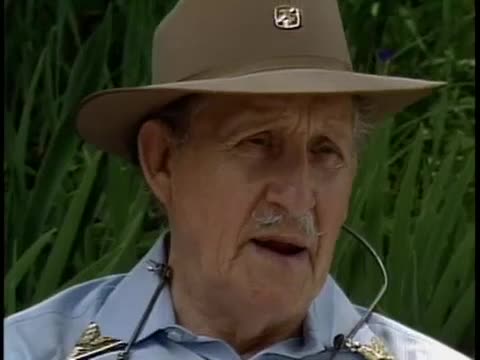
- In this footage, famous banjo player Wade Mainer and his wife Julia Mae Brown answer a variety of questions. They describe playing for Franklin Delano Roosevelt and their relationship with fellow musicians. They also describe how they turned advertisements into songs. Lastly, they play a short tune.
- Created Date
- 1989-06-02
- Asset type
- Raw Footage
- Topics
- Music
- Rights
- No copyright statement in content
- Media type
- Moving Image
- Duration
- 00:20:45
- Credits
-
-
Interviewee: Mainer, Wade
Interviewee: Brown, Julie Mae
- AAPB Contributor Holdings
-
Appalshop, Inc. (WMMT and Appalshop Films)
Identifier: 00002839 (Appalshop Barcode)
Format: U-matic
Generation: Original
Duration: 00:20:00
If you have a copy of this asset and would like us to add it to our catalog, please contact us.
- Citations
- Chicago: “An Interview with Wade Maine and Julia Mae Brown (Part 2 of 2),” 1989-06-02, Appalshop, Inc., American Archive of Public Broadcasting (GBH and the Library of Congress), Boston, MA and Washington, DC, accessed April 5, 2026, http://americanarchive.org/catalog/cpb-aacip-138-612ngqv7.
- MLA: “An Interview with Wade Maine and Julia Mae Brown (Part 2 of 2).” 1989-06-02. Appalshop, Inc., American Archive of Public Broadcasting (GBH and the Library of Congress), Boston, MA and Washington, DC. Web. April 5, 2026. <http://americanarchive.org/catalog/cpb-aacip-138-612ngqv7>.
- APA: An Interview with Wade Maine and Julia Mae Brown (Part 2 of 2). Boston, MA: Appalshop, Inc., American Archive of Public Broadcasting (GBH and the Library of Congress), Boston, MA and Washington, DC. Retrieved from http://americanarchive.org/catalog/cpb-aacip-138-612ngqv7