The Alabama Experience; I Shall Not Be Moved: The Legacy of W.C. Patton
- Transcript
the he's been sen
october nineteen forty eight our problems in trying to gain first class citizenship media bury the foundation upon which the execution of democracy rest in the south especially in alabama racial discrimination to say this is just simply a decision ms williams dempsey pat ms and very very courageous individual
hat of that raises a nineteen forties and fifties attempt to read to sort of all about because the vote meant how prepared what a very important feature of political liability as we came in so that was a good college player he was an educator but that wasn't enough for him he still needs in the community and the people were indeed look like somebody just to get things going for them and he was just a man raising evolved it was always delivered something bad and that was persuasive his manners and woman of the dna are
in nineteen oh nine a conference was held in springfield illinois to protest the horrible injuries occurring throughout the south the meeting was attended by philanthropists scientists and blacks riding on a new crusade for their emancipation this coalition of blacks and whites gave birth to the national association for the advancement of color the university was founded in nineteen oh nine and bahrain nineteen fifteen was opening affiliate choppers unincorporated associations around the country one was opened in alabama an unincorporated affiliate chopper was opening nineteen eighteen by nineteen fifty one the end always city opened the regional office in birmingham as a politically minded youngster growing up in birmingham that was very familiar with the naacp is reputation
as a fighter for civil rights and other people talking about it and what they would do in the laws of thing they will suspend the mission school at that time the naacp membership with fifty cents billion deal cain initiative and when my senior ira levin today the beat of boys whose insides at that time and on the conditions in those who have nots galliano for him so he was sent back to me but i continued my government naacp until nineteen a bit too became among all in nineteen eighty two he was
he was born in marion alabama the heart patient that his father died when he was only five years old his mother died a year later in nineteen ninety eight and was this interview with his grandmother in birmingham she became a guiding force in his life recently the everyday she insisted that we stay in school and coach when i finished high school i decided that i want to teach during the spring of nineteen thirty nine graduated from birmingham's industrial high school and in the fall of nineteen thirty he entered alabama state university in montgomery after finishing college in nineteen thirty four and went to work for the butler in suffolk county school systems he developed a reputation as being more than an educated white residents plan was a strong activist who encouraged him to organize their communities and register to
vote it also opposed don't like people of any consequence and wrist even some pecan at that house it leads him to go and erased and they didn't have any organization in search for community so i'll call the medicines to give them an island as an economic dominance in the land going to do some city work to do that at organization hazel hackett a retired teacher has known patent for over fifty years in nineteen forty three she served as secretary of patent greenville so quickly he always was talking about improving community life and the boy's anger of it one of the best for them in the school system and he just he was a sincere energy at determined person they are persuasive
and get things going and he was an organizer you thought oh horace huntley is an assistant professor of history at the university of alabama birmingham says he probably is also the rest of the birmingham civil rights institute of oral history project and he was one of those young aggressive and psalm would say militant and really was not militants but one was aggressive in an ann consistent in his efforts to include black people in the bottom part of the country and if you just look at the numbers of people that have registered to become registered voters between nineteen forty and it says five even before the voting rights act and instead of alabama and some other it was other sites that would be our movie we would have to look at hundreds to pat as been very significant and really taking the end and enrolling people
in nineteen forty seven there are only six thousand registered voters in alabama often violence and economic reprisals discouraged him from pursuing the ballot despite the hardships a few did manage to register well we have a point that there were two real as when in one day because we were we were registered and in heaven a problem there is they simply told us that we reach you leave a gold they were not real problem at that time when his truthfulness in their little and then a lot of cars in that they began to interrogate him questions that they could not answer the forces against
the exclusion of black people have been most significant one of warren's concern them is where public accommodations with cancer david ban former mayor of birmingham with that in the nineteen fifties when they were members of the alabama council on human relations council was a biracial group that worked to bring about change in the state but that never lost his crew and he can't know because the reality is the democratic system really wouldn't wish bone so the problem of minority people and kill the number of voters in the larger nuclear research station in three of the democratic governments will always be reflecting to some degree the feelings of the people and black people couldn't vote and all the white people they responded to a racial
discrimination when dr patty why we're going to go in and going to work and then working and working then to create a larger number one on a voter and then a nineteen sixties of the world stay with us in nineteen forty five had lived his teaching position and began working with the supreme camp of the american would like a black fraternal organization a few months later he took on the full time job as president of alabama's naacp chapters that also served as interim president of the association learning them right and in nineteen forty seven he became the third executive director of the state ranchers england about his work that became friends with the couple of young civil rights activists thurgood marshall
march first nineteen fifty dear mr penn this will acknowledge your letter of february twenty first inviting me to because of interstate freedom funder out on april thirteen i shall be most happy to be with you sincerely or may ten nineteen fifty dear mr wilkins sure that by this time mr marshall has informed you of the very successful meeting we had in montgomery on april thirtieth as usual he was at his best the address was both informative and interesting very truly years debbie seek patent it's b bryan ferry is an associate professor of law at the university of alabama that specializes in race women and constitutional issues involving the law brown was the most
important supreme court decision of the twentieth century it was the culmination of a legal strategy to end state sponsored segregation of thurgood marshall charles hamilton houston away and hasty and many other lawyers working with the endlessly p first attacked school desegregation on the graduate school level that are succeeding there in cases of texas and oklahoma and missouri the strategy was moved to primary and secondary schools in cases like brown with brown's victory over marshall became known as mestre civil rights and in the place of puny the good offense and education fund became known as the principal civil rights organization in this country after the supreme court's
historic brown decision the university of alabama was the first to order to desegregate for years the school's officials had resisted on february first nineteen fifty six offering lucy aided by the naacp registered for classes several days later she was expelled incidents at the stage one at a court battle between the state and the associations legal defense fund the attorney general the state attorney general and a wizard direction and the un decided to the naacp should be put out of the piano he said the naacp had not registered with the secretary of state so they brought the charge against us unfold we went to court to fight the charges that we did need to register with the state that as non
fiction four months after authoring lucy attempted to enter the university of alabama state attorney general john patterson filed a british house of the naacp from alabama on the grounds it had failed to register as a foreign or out of state corporation the attorney general alleges the association was causing irreparable injury to the property and civil rights of the citizens of alabama the complaints specifically mention the offering lucy inside circuit court judge walton jones agreed with the states and temporarily halted the naacp is operation musical interaction matters joe twelve but girl know patterson was good as invasion and duncan and dancer sunday would believe that the
full audio heard a little bit in nineteen fifty six and the reverend fred shuttlesworth was the management coordinator for the naacp is birmingham branch shuttlesworth was holding a meeting in the masonic temple on the restraining order was delivered and he unloaded sheaf of paper to know that their papers on went down to the floor and i said to him oh what does is maybe he said means you can do nothing and the ruins us it can do nothing he said this mean you can't do nothing i say well what do you mean by came to nothing if it does mean that you came in there i say we came ek do know he's sick and asselin whoever wrote this woman in particular episode you and then i felt like we had resisted the purpose of the band was to prevent the university from assisting people
are often missing or rosa parks you recall that after lucy was attending to desegregate years of alabama rosa parks and others in montgomery engaged in the bus boycott that new ad crippled the montgomery bus lines the attorney general intended to stop those kinds of attendance body in the police simply judge dollars later issued an order requiring the association to travel which records and membership believes that this ipad and the naacp is legal defense that complied with the records request but said no to the membership list they knew that the year who could plan and goal in the mentality of the ku klux klan that would be a fair estimate of them and they would be fired from the idea of it was a form of intimidation if i know who you are then you would be definitely a target for intuition and that was very consistent
indeed the technique that we that we used by the authorities do and you know the heights of the movement so yes if you get those are the names of the people were in fact were members those people simply become very vulnerable the naacp can of the state's claim by filing a motion to have the suit dismissed on the bases there was no substance of the state's comply the university argued that alabama have not stated a korean and its pleadings and attempted to healthy complete disinterest the court did not dismiss the circuit court in montgomery found that i'll bet that the university was in violation of alabama law and
imposed a substantial sanctions initially ten thousand dollars which was to be raised two hundred thousand dollars a gallon if the university did not comply within five days the university did not comply with that order for it within five days and the court imposed a one hundred thousand dollars civil contempt fine plus forbade the inability to from conducting business in the state state outlawed the naacp like alabama's began looking for a team leader in the fight against jim crow three days after the ban reverend shuttlesworth step forward and started the alabama christian movement mr cliff a fall everything we can do
knowing the number of the long that plan won't go somewhere to the moon to jail in practice three pellets and so if there was a tuesday night one meal out that we do now they're in the church and media among national movement began meeting monday night after the ap too that was assistant in nineteen fifty six and we'd meet and people would know it was it was a human spirit truman people or so its allies and they thought i had dancers i have faith i was a preacher believe in god was socially alabama's ban against the naacp did not stop weapons were he moved to maine and became director of the association of education part
there registering voters in sight they just vote of colonize campaign to work in various in a month for his campaign alan atlanta memphis tennessee hanafi is the discovery about one of their new what i like to do a little east colin contamination in the middle of something that's good after the supreme court injunction against the naacp
the associations little against that appeal the case to the alabama supreme court the high court upheld the law which decision and the band was not licking alternately the naacp would take the case four times to the us supreme court finally on june first nineteen sixty four the justices ordered alabama to immediately lift the year i think ultimately the state through its representatives underestimated the genius of marshall the genius of robert carter the genius of arthur shores and for a great many others who stayed with the litigation and who ultimately prevailed in the supreme court i would like for them to enter a
lacy naacp of getting it and trying to get people registered and getting onboard too low to insist on them john kavanagh this country and that and other than that i'd like people in a room and they have a question who is interested in people who love people and then how would free mr david unwin and they will need to somehow be a blessing to some bad art or some call mr pat and first of all she remembered for our courageous and i say that and i have really nice and with affirmative action because if you're mr alabama in the nineteen forties and fifties you talking about a person who is attempting to change the status
quo by roland people by suggestion that there is a need to make a frontal attack on the status quo that was a hit that was basically a death sentence in place to warm him for some to have in those ideas and businesses as he was a rather analytical invisible know he looked bad situations to analyze all situations and then he he he attacked and what he tried to do he was sincere he didn't try to fool the people he encountered going to be easy but he told if you work hard that you could move up to where you are and just follow leadership don't try to leave where you don't know you're going and he just impressed that upon the people and when you get if you go and there'd be some other those things start falling
especially if they see one somewhere and that's what we use a man to the best of his ability and extent says his generation to the extent possible with the resources that he came he did have the courage to be informed be tempted to believe and to try to live inspired people and vote and i think that that person can and so i would give him and i had to meet him on a scale from one to ten in this process i
sang that i assume that they move i sail nice i assume that's a mood is like the jury a man had neither was honor ii so now being moved along the way yeah i assume that they moved away to head i am i assume that the mood is like a tree planted neither was either i say not being new for videotape of this program send a check or money order for twenty five dollars to the university of alabama center for public television po box eighty seven thousand tuscaloosa alabama three five four eight seven or use your visa discover or mastercard by calling one eight hundred four six three eight eight to five
- Series
- The Alabama Experience
- Producing Organization
- University of Alabama Center for Public Television and Radio
- Contributing Organization
- Arkansas Educational TV Network (Conway, Arkansas)
- AAPB ID
- cpb-aacip-766d5e644d4
If you have more information about this item than what is given here, or if you have concerns about this record, we want to know! Contact us, indicating the AAPB ID (cpb-aacip-766d5e644d4).
- Description
- Episode Description
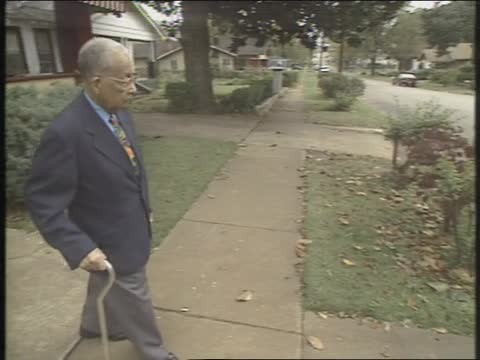
- This episode of "The Alabama Experience" covers the life and legacy of Civil Rights leader W.C. Patton.
- Series Description
- A series featuring citizens and communties across the state of Alabama. The Alabama Experience aims to explore cultural and historical places, as well as the people who occupy them.
- Broadcast Date
- 1995-03-02
- Media type
- Moving Image
- Duration
- 00:28:04.950
- Credits
-
Director: Cammeron, Dwight
Editor: Clay, Kevin
Editor: Holt, Tony
Executive Producer: Cammeron, Dwight
Executive Producer: Rieland, Tom
Narrator: Adams, Richard
Producing Organization: University of Alabama Center for Public Television and Radio
- AAPB Contributor Holdings
-
Arkansas Educational TV Network (AETN)
Identifier: cpb-aacip-9399bcd6601 (Filename)
Format: U-matic
Generation: Master
Duration: 00:18:00
If you have a copy of this asset and would like us to add it to our catalog, please contact us.
- Citations
- Chicago: “The Alabama Experience; I Shall Not Be Moved: The Legacy of W.C. Patton,” 1995-03-02, Arkansas Educational TV Network, American Archive of Public Broadcasting (GBH and the Library of Congress), Boston, MA and Washington, DC, accessed August 25, 2026, http://americanarchive.org/catalog/cpb-aacip-766d5e644d4.
- MLA: “The Alabama Experience; I Shall Not Be Moved: The Legacy of W.C. Patton.” 1995-03-02. Arkansas Educational TV Network, American Archive of Public Broadcasting (GBH and the Library of Congress), Boston, MA and Washington, DC. Web. August 25, 2026. <http://americanarchive.org/catalog/cpb-aacip-766d5e644d4>.
- APA: The Alabama Experience; I Shall Not Be Moved: The Legacy of W.C. Patton. Boston, MA: Arkansas Educational TV Network, American Archive of Public Broadcasting (GBH and the Library of Congress), Boston, MA and Washington, DC. Retrieved from http://americanarchive.org/catalog/cpb-aacip-766d5e644d4