Dialog; Mayor Jeremy Harris on The City's Economic Dilemma
- Transcript
You Dialogue is brought to you by Hawaiian Electric Company, people with a powerful commitment. Honolulu Mayor Jeremy Harris announced this week that
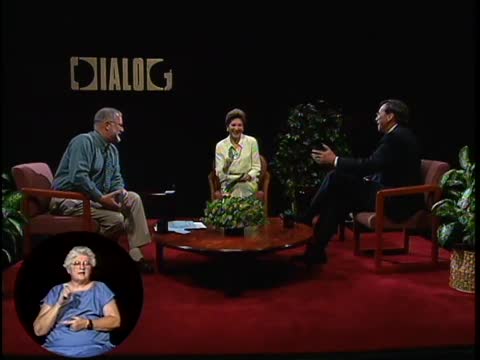
a $75 million budget shortfall would force the city to begin laying off city workers. Last week, the mayor went before the Senate Ways and Means Committee with a plea to oppose a hike of the general excise tax. He also proposed that the county take over a number of state functions. Maintenance of state roads and parks, funding, tourism, promotion, and operating the convention center. More details on that today. We'll be talking about this evening and good evening. Welcome to Dialogue. I'm Lynn Waters and the mayor of the city and county of Honolulu. The Honorable Jeremy Harris is with us this evening. We're happy to have him and my colleague Dan Boylan has the honor of introducing him. Jeremy Harris is beginning his fourth year as mayor of the city and county of Honolulu. A little over a year ago, Mayor Harris won his first full term. In 1994, he won a special election to fill out the unexpired term of Mayor Frank Fawci. Prior to becoming mayor, the mayor was the city managing director for eight years. Mayor Harris trained as a marine biologist at the universities of Hawaii and California Irvine. He first entered politics on the island of Kauai as
a member of the Kauai County Council. In 1984, he made the move to Oahu to take a job with then Mayor Fawci. Mayor Harris and his wife Ramona live in Kalihi Valley. Lynn? And of course the mayor is giving Dialogue his Friday evening. We urge you are viewers to give him the business in the form of your phone calls. Questions and comments he can handle and answer. Our telephone lines are open and the number to call is 973 1000. Neighbor Island viewers, remember you can call us collect at 973 1000. And we would especially like to thank the folks answering our phones tonight. They're from the Redford High School Interact Club. Hi folks. Thank you for coming down on Friday evening. Our sign language interpreter this evening is Loretta McDonald. Mayor Harris, let's talk about the most recent developments today when you were at the legislature. You presented a plan for assuming responsibility for the convention center and the entire marketing of the state of Hawaii and also assuming responsibility for the revenues of a TAT increase and a possible rent car tax and you say this will help you avoid raising property taxes, correct? That's right. That's right. First of all, then, thanks for having me
on tonight and Dan. It's always a pleasure. Let me put the whole situation in perspective if I could. We have a very strange situation in that every time a tourist comes to Waikiki, the city and county loses money. Well, why is that? Well, the city is the one that really provides all the services to the tourists. The lifeguards, the beach parks, the parks, the police, the roads, the list goes on and on. Virtually everything that the tourists use while they're here are services provided by the city. And yet almost all of the taxes that the tourists pay go to the state in the form of the excise taxes, hundreds of millions of dollars a year. So we're in this awkward situation of the city spending more and more money to improve the visitor industry and the better we do, the more red ink we build up. Well, this is a situation that just doesn't have common sense. It needs to be changed. The government entity that's responsible for providing the services to the tourists should be the same government entity that raises the money from the tourists. And the taxes that the tourists pay should be used to pay for the services that the tourists use. They shouldn't be subsidized by our
residential property taxpayers. And so what we've proposed to the legislature is that they turn over to the city, the hotel property, the hotel room tax, so that we were able to tax the hotel rooms, take the money from the hotel rooms, use it to pay for the services that the tourists use and why key key. And we've told the state, you can turn over the convention center to us and we'll use that hotel room tax money to pay for the debt, the mortgage on the convention center, and the operating losses that it's expected to have each year. In addition, we would pay a Wahoo share of the marketing for HVB, the new HVCB. So we would have all in one shop, the agency that raises the money from the tourists, and then we would use the tourist money to pay for tourist services and the convention center. It's just common sense. It's the way you'd organize any business. Unfortunately, up till now, we've had this crazy situation where the money that the tourists generate goes to the state and the state's providing services like schools and welfare and
child protective services, not tourist -related services. How would that work for the neighbor islands? Would each county also under your plan retain their TAT tax and use it in the same way that a Wahoo would? That's right. And the difficulty in structuring the plan is really to make sure that each county comes out whole and doesn't lose anything in this new structure. And we've done that. We've ended up with the same amount of money that they have traditionally gotten from the hotel room tax and from a few other sources, a hotel room tax on time share units, for instance, as well as the money from rental cars, the surcharge fee on rental cars. The idea again is to make sure the counties don't lose any money because they all have to provide services to the tourists to visit their islands as well. And that we have all of the responsibilities and the resources in the one agency, in this case the city and county, to take care of tourists. But doesn't a Wahoo in some way shape or form because of the large population,
the large number of hotel rooms? Doesn't it subsidize tourism marketing for the neighbor islands as well? Well, not tourism marketing because that's always been paid for by the state. What a Wahoo has subsidized in the past is the hotel room tax. We've raised more hotel room tax and Waikiki than we have been allowed to keep. I think about $95 million a year of hotel room tax is reported here on a Wahoo and we've been getting about $42 million a year from that. My guess would be, wouldn't it that Mayor Kusaka and Mayor Lingoel and Mary Yamashiro would not like your plan then? Well, no. I think maybe I didn't explain it well enough. Under the new plan, all of the neighbor islands would receive as much or more hotel room tax than they get now. Not that they raise now, but then they've been receiving now. So the amount that Hawaii has been receiving, for instance, has been subsidized by a Wahoo. They would continue to receive that same amount of money. They wouldn't lose any money. It's not that they would just get what they earn on their island. They would get the subsidized amount that they've already
been getting. Did you consult with the neighbor island mayors before you presented this and what was their response? No, in fact, this is really breaking news. This latest plan, we just finished about an hour before the Senate committee and we intend, of course, to meet with the neighbor island mayors and see if we can get their support. It is difficult coming up with one size fits all. When you have a Wahoo and you have the neighbor island counties, a Wahoo, after all, Honolulu is the eleventh largest city in the country and the neighbor island counties are smaller rural communities. And so one of the things I think that has gotten us into trouble, historically, is always trying to come up with a solution that deals with each county in the identical way when we are very, very different places. But again, I think this plan is the best compromise and it would solve the problem of the economic task force proposal, of course. I mean, what's generating all this is the plan presented to the legislature that would balance the state budget by taking 40 % of our hotel room tax money away. And that is going to be disastrous for us and for
the neighbor island counties. And by raising the GET by, I guess now, the governor has pulled back to, what is it, 4 .7 or 4 .8 or something like that. And you oppose that? Why? Explain that. Well, for several reasons. When you raise the excise tax, you're going to put pressure on the lower income families. I think the study that was done by the Chamber of Commerce showed the people are going to be hurt. Are the families that are in $25 ,000 a year or less, the elderly, senior citizens. They're going to pay more. The people that are going to get the tax break are, of course, the people who earn $100 ,000 or more, the higher income. That's not going to help the economy. It's not going to help the community. The other problem with raising the excise tax is that the way the state has it structured, the city and county has to pay the excise tax just like you or I have to pay. And we pay the state about $30 million a year in excise tax. Under their original plan, we'd have to pay them another $10 million a year. And so it's a tax on a tax. It's taking money that we would otherwise be
spending on police salaries. It's taking it away and putting it in the state coffers. Why do you have to pay the excise tax? Why does the county have to pay the excise tax? Well, you know, Dan, I've been asking the same question. That doesn't make any sense. The state doesn't have to pay our property tax. They exempt themselves from our property tax. They've even been kind enough to exempt the utilities from paying us our property tax. But we have to pay, of course, the excise tax as does everybody else. So these are the sorts of situations that I think need to be changed. This is why I've been fighting for a constitutional convention. These are not new revelations. These inequities have occurred for a long time. It doesn't appear like the elected officials are going to be willing or able to make the changes to fix them. So I think the citizens need to get together. I think we need a constitutional convention. Mayor Harris, I want to ask you a political convention, a convention, political question. If a year from now, Mayor Harris were governor Harris. And some young upstart Mayor of the city and county of Honolulu raised his hands that we want to take over the convention center. We want to take over this. We want to take over that. We want to do all the
marketing. What would governor Harris say? Would he agree with this? Or is this the county's again yelling home rule as a political device? Whoever the next governor is, whoever he or she might be. I think their number one priority has got to be dismantling that mammoth state bureaucracy. You know, when the Democrats came into power in 1954, Dan, their rabble rousing call was home rule. That's right. And they were going to turn ever the responsibility and the authority of running government to the counties. And it's been, what, 44 years later and we still don't have home rule. Whoever the next governor is, I think their top priority has got to be decentralizing. One of the reasons we're in this mess is we've built such an enormous central government. We've tried to control everything at the state government level. With commission after commission after authority after task force, it is caused enormous amounts of tax burden, too much regulation. It's given us the reputation of being the worst place in the country to do business. And it's not very efficient. Well, no, wait a minute. You have to lay off 200
to 300 people I understand, right? Well, no, that's a, that's a number that the media came out with. What's your number? We're not coming out with a number yet. We're still working on it. We have two more weeks. We're going to try to keep the layoff as small as we can, but we haven't come out with a number. Well, let's not come out with that. Let's have a ballpark figure number. If you've got a ballpark figure number. No, no, no. Thank you very much for your responsiveness. Let me say before we announce the kind of layoffs, the departments that will be affected, we're going to talk with our employees. They need to hear our reorganization plan. They need to hear how they're going to be affected, not by tuning into dialogue or the evening news. And so we haven't worked out all the details. We have some, some, some general areas that are going to have some severe cutback, but basically, you know, what we need to do, not just at, at the county levels, but especially at the state level, is we need to reduce the size and the cost of government. That has got to be the focus. This, this tax plan that's come out of the, the economic task force is really misdirected. We're not going to solve our
economic problems by taking taxes from one pocket and moving them into another pocket, by taking the same small pie and just dividing it in a different way, by moving tax burdens from, from the rich and putting them on the poor, that's not going to solve economic problems. What we've got to do is cut the size and the cost of government so that we are able to attract business. So it's not so expensive to live here. So it's not so expensive to do business here. And then we've got to reach out. We've got to, we've got to bring in new kinds of enterprise and new money. We have to make the pie bigger instead of fighting over who's going to, who's going to pay the biggest burden of the tax. And of course, one way you reduce the size of the tax is you reduce the size of government. And that's the focus. And since 1994, the city has cut back the size of its operation enormously. We have 500 fewer people working for the city today than we had in 1994. We have fewer people working for the city day than we had in 1992. And when you consider inflation, our budget today in the city is $34 million
less than it was in 1994. Well, one of my acquaintances, when he heard you were going to be on the show tonight, happens to be a firefighter in the fire department. And said, please ask the mayor, what is, what is he going to trim in the firefighter fire department? Where are essential services? Are we talking about people? Are we talking about CIP or buildings? Any thoughts that you can share on that? Yeah, our focus is to completely reorganize city government. To reduce the number of departments. To eliminate departments. To reduce the size of the government, the budget of the government, and the number of people that work for the city. That's the only way we're going to be able to meet the budget crisis that we're facing. We've had five years in a row of decreasing property values on this island. Property values went down about $5 .6 billion over the last four years. This year, they went down another $5 .3 billion. That's almost an $11 billion drop in the value of real property on this island in that period of time. And of course, when you rely almost entirely on property taxes to pay the bills, that is dramatic indeed. And so we're face this year with a
$75 million shortfall. And it comes at a time after we have cut the size of our workforce by 500 people and our budget is smaller than it was in 1994. That's the problem. So our focus is reorganizing. And instead of just across the board cuts in personnel, we're focusing on functions that we think are not going to affect the basic services. We don't want to have fewer police officers on the street. We don't want to have fire trucks that don't have enough firemen on them. We don't want to refuse piling up on the streets. So we're focusing on areas within the city that we can cut back as a result of efficiencies we get by consolidating departments and eliminating departments. And I can't tell you more than that again until we work out the details and we're able to appropriately present it to our people. But I think the plan that we come out with on the 1st of March is going to be one that is as lean and mean a city operation as there is in the country. Let me remind our viewers that we are live here with Mayor Jeremy Harris until 9 o 'clock tonight. So you have about 45 minutes if you'd like to get in a question or a comment the numbers 973 1000 for the mayor.
This caller says thank you Mayor Harris for opposing the increase of the excise tax. You're very welcome. That was an easy one. Why not privatize the L .O .I. golf course and charge a fair market value? Okay. We've looked at privatizing our golf courses in the past. And unfortunately our golf courses, fortunately or unfortunately our golf courses are some of the heaviest used in the country. And when you try to privatize you find out that there is no real opportunity for the private sector to run a better golf course unless they dramatically raise the green fees. And let's take the L .O .I. golf course for instance. It's the busiest golf course in the world. We play just under 200 ,000 rounds of golf there a year. There is no opportunity for a private operator to do a better job in promotion or to increase the number of rounds played by making a nicer course because you can't push more people through a course, be clubbing each other for the tea time. So the only way they could make more money would
be to raise the fees. And I don't think we want to raise them twice or three times as a private course. Why affect what effect will layoffs have on police fire and ambulance services? You feel none. We're going to again try to stay away from basic services so that we don't impact the service delivery to the mayor here. It's over on the city, the state side and the ways and means committees and so off. I've heard for years they say, you know, these mayors come in every year, they whine and they whine and they whine about how we're not supporting them and how we're, you know, but none of them ever want to raise their property tax. Now why don't you raise a property tax if you got a problem? Well first of all when you raise property taxes you make the second most expensive housing in the country even more expensive. And I don't think we want to do that. I don't think we want to have property taxes that are so high that make it even more difficult for people to own a home. And so I don't think that is a good way to go. And I think anybody who advocates
raising property taxes doesn't understand the impact on people. The fact of the matter is this year we are going to have to raise property tax rates. Now we're not going to raise property taxes. But since we've had such an enormous drop in values we're going to have to adjust the rates to make up for the drop in values. So in other words the city will be taking in exactly what it took in last year in property taxes but we won't be giving a tax break. But I don't think the right approach is to put more pressure on families by raising the taxes. The real answer is find ways to cut the cost. That's what we've done at the city and I think it's time that the state did the same thing. A couple of questions along the same lines with the city budget and shambles shouldn't you stay mayor instead of trying to run for governor. Are you going to run for governor? You said several times on dialogue obviously a dialogue viewer that you wouldn't because you just want to be a good mayor. What's the truth here? Well I think that must have been written by one of my opponents. If they'll recall. And a dialogue viewer. If they'll recall in the last campaign
my opponents tried to get me to sign a pledge that I would not run for governor. In fact they followed me around. Came to the mayor's office and followed me around town with a six foot by three foot pledge card that Frank Fossie had signed and they were insisting that I signed it. And at that time I said I will not sign a pledge that I won't run for governor. My intention is not to run that isn't what my plans are but I'm keeping my options open. And if I feel it's the right thing to do next year then I'll keep the option open of running for governor. And basically my answer is the same. I haven't declared I'm running for governor but I'm telling people I'm not foreclosing the option and I'm not signing any pledge. Let's you and I talk a little politics. A little politics here. I can't figure out how you can win. If you're running or in a democratic primary which you say you're you're you're you're a democrat. All the areas that you run well in are areas that are Republican areas. And those folks are voting to try to you know and to keep Frank Fossie out of perhaps or keep or bringing me in and lend
a link or they're choosing between Quentin Kwan and Nicole and Filipinos are one of your big supporters. They're have to go with their governor. How do you win a democratic primary? I can't figure it out unless the unemployment rate goes up to 10 percent. Well first of all most people are under the misimpression that all the candidates would be running in the same primary. I've had a number of questions like this and it's that's not the way it would work as you well know there would be a democratic primary between Caetano and and me if I run and then the winner there would face off against the Republican winner either Lingo or Fossie. So they're not competing for votes in the same primary. Well I guess Dan the only way to answer the question is all the polls right now say I would win. They don't say you win a democratic primary. Yes they do. Yes they do. Well we're going to have that answer. It was the advertiser as well. What's happened to the Cahuku Village Conversion project money and where has it gone? The Cahuku project is in the flood plain
and the project is stalled because until and unless the federal flood management agency determines that it is out of the flood plain and eligible for housing construction we can't use the federal funds to build housing. So the project has been stalled for quite some time. As a result of that we don't want to leave the money tied up in a project that's not moving and so we are reprogramming that money for other projects and if and when we're able to get the flood problem solved then we can go back in and reevaluate Cahuku but until the feds change the the federal flood designation we simply are not allowed to build there. You don't have responsibility for the convention center yet but if you had your way you would based on your plan today this question caller wants to know why not have the Miss Universe pageant at the convention center instead of at the athletic facility in Manoa so everybody knows we have a great convention center. If I'm not mistaken the convention center was built without ceilings high enough to accommodate a function like that. Why I can't imagine but the same guy would build the soft box. There you go. Why would
you send $11 .5 million on the Natatorium and raised property taxes? It's Natatorium issues getting sticky. I'm glad you brought that up because most people don't understand the budgeting of a city and state government. We actually have two budgets as you know Dan we have an operating budget which is the running of the day -to -day operations of the city. It's it's paying the police officers it's running the fire department it's providing all the daily services and that budget is basically your tax dollars that you that you pay. That isn't how we pay for construction projects though that isn't how you buy your home out of the out of your out of your monthly paycheck weekly paycheck. We pay for construction projects new fire stations police stations or the renovation of the Natatorium by going out and taking a mortgage on that project basically it's called floating a bond and so the Natatorium is going to be paid for by taking out a mortgage floating bonds as it's called and doing the reconstruction. Now much of the construction work that we do we finance
with revenue bonds so that money is made by the development or the project and we use the money that we make from the project to pay for the mortgage on the project but those are those are the ways that that's finance so the answer is that the money that's used to rebuild the Natatorium or to build the new police station is not cash it's not money that you use to run the city it is a mortgage that we're proposing to how is Chinatown doing since you're clean up with the cameras have the cameras actually caught people yet how is that working no the cameras are going in within the next month so they're not operative no the the the camera that the caller probably saw was the test camera that we put in place to see if the system would work before we went out and and bought it and it worked so well we put the camera up and I think it was within the first half hour that we installed the camera we called a an alleged drug deal going down and it was fascinating to watch you watch the drug deal happen now the drug dealer actually pointed up to the camera as he was doing the deal so he realized it was there but wasn't smart enough to realize that he shouldn't do a drug deal
underneath the watchful eye and the police officer pulls in on his on his bicycle makes the arrest so it works very well we've gone out and put them out for bid we've awarded the bid and they're going to be in very shortly so they'll go in next month about they'll start going in and it'll take several months to go in I think June is when it's going to be fully operational we also have an identical system that we're putting in Y key key and so we think this is going to have a great effect on controlling crime we think it'll have a deterrent effect despite the despite the evidence of not too bright drug dealer we think some of them probably are smarter than than he is maybe not maybe not but those that aren't smart enough to not do the crime will now do the time because they're going to be caught by the police so we think it's going to help in Y key key as well as in downtown China to someone calls and said you've been avoiding all the questions and invitations from the people of Eva Village when can the people of Eva schedule a community meeting with you when are you going to meet with them well first of all
we've had more community meetings in Eva I've had more people out there more staff more directors more finance people than any other community I think they want you I told the people in Eva that as soon as we finish our vision plan we're going to be out to their community and get their input on it and that's going to be in a few months this gentleman lived in Washington DC for a number of years and knows how good the mass transit system is and feels that if Honolulu had built a mass transit system when we had the opportunity we would not be in the economic crisis that we are now that's a bit of a jump there but what do you plan to do about restaurants you know actually it's probably not a jump pumping two billion dollars into the economy and and a lot of it coming from the federal government probably would have saved us from this recession it would have kept all of our construction workers I think that that project was going to provide 30 ,000 construction jobs a year -long jobs in over the period of five years that would have helped a lot and it may have avoided this whole mess that we're in but that's spill water
and the fact is that system I don't believe will ever be built because we simply don't have the money anymore and we don't have the federal support anymore so we've come up with a new concept and the new concept is for an at -grade electric trolley system and we're going to be unveiling all the details of it but it basically entails a change in our whole approach to transit we've allowed the rapid urbanization of our country of the central awahu and as we allow more and more growth in central awahu we've had to spread out our infrastructure we've had to build sewer systems all for many many miles and roads and water systems and drainage systems and an enormous cost and as we do that of course we also have to provide for transportation from people to get from these central awahu locations into downtown and that's what causes the traffic jams so my proposal is that we stop further development in central awahu that we keep the country country that we not allow the windward
and the leeward sides and the north shore to be developed and that we focus all the growth to downtown and to the second city in Kapolei and then that we develop a trolley system an electric trolley system an environmentally friendly efficient system to service those population centers and we focus our expanded bus system bringing people from central awahu and and and the the outlying areas into the urban areas with with superb bus systems and express buses your trolley system wouldn't go all the way from copulated downtown though you're talking about bus buses would bring people in and then they would be able to get on the trolley and and move around at will throughout the the primary urban centers how feasible is that well it's very feasible and it's a lot cheaper than then the original rapid transit plan that's one of the reasons why it's much more feasible it's something that I think we can afford man if the city if this wouldn't be the city council I guess but immediately raised the hotel room tax by 5 % it would still be less
than most mainland cities why aren't you proposing raising the hotel room tax taking your share and letting letting the the state have a little bit more for supporting them well because it actually wouldn't be less than most mainland cities what the caller doesn't take into consideration is the 4 % excise tax the 4 % excise tax is not a 4 % sales tax it's been likened to a somewhere between 11 and a 13 % sales tax because it pyramids right it's a tax on a tax on a tax and so you're actually those hotel rooms you're taxing let's say 11 % plus on top of that a 5 % hotel room tax you're up in the in the high teens already in Hawaii well sure if you have a hotel room that has a 4 % excise tax plus on top of it a 5 % room tax the effective sales tax on that room is in the high teens and that's what you have to compare to the mainland cities the excise tax isn't 4 % sales tax it's 11 to 13 % sales
tax she this math is difficult he's a history major it's not his thing it's not his thing we have reached out and let me just let me just let me just let me I've been to place like Chicago and I pay a hotel room tax and it seems it's astronomical you just stay out of this and it may I have to take a break but it doesn't have a 4 % excise tax built in we can continue this argument after our break we have to take a break I just discussed he's a history major you have to make allowances we were going to make allowances for our viewers to go the phones now if they have a call for the second half of dialogue we're halfway through our show with Mayor Jeremy Harris we're going to more questions and comments the number to call is 973 1000 please stay with us history's best
on PBS embracing the moments in time that resonate forever ask not what your country can do for you creating a place for those who have a hold on our spirit and acclaim on our soul and who better to remind us history's best on PBS let the word go for I am today announcing my candidacy that the poor church in pass for the presidency of the United States to a new generation of Americans for president of the United through political triumph and personal tragedy no family has had a greater hold on the American imagination the Kennedys on the American experience histories best on PBS Monday night at nine welcome back to the second half of dialogue with Honolulu Mayor Jeremy Harris I'm Lin Waters with my colleague Dan Boylan and spending their
time this Friday evening answering the dialogue phones are the students from Radford high schools interact club we thank them for being with us and we certainly do appreciate them for volunteering we are discussing several things the transient accommodation tax general excise taxes layoffs of county workers and other fascinating topics with Mayor Jeremy Harris if you want to take part the numbers 973 1000 and of course neighbor island viewers you can call us collect mayor Harris is it more difficult to be mayor now than in the 1980s because of the economic problems we're facing oh there's no question this is the toughest time to be running the city during the 80s when I was managing director we had more money than we knew what to do with it was in the middle of the Japanese bubble economy property values were going up 10 12 15 percent a year and so even though we would cut the tax rates we would still have millions more coming in and of course in the late 70s the city was awash with federal revenue sharing money the federal government was pouring
money into the cities now of course the situation is exactly reversed we've had to cut back as I said for four years in a row our budget is less than it was four years ago our our workforce is down 500 people but the demand and the expectation for services hasn't diminished so we're having to provide more and more services with fewer people and that's the way it should be I mean you know one of the the please I keep making at the legislature is for the state to do what the counties have done you know we've cut the size of our government we've cut the size of our workforce we've cut our budgets back in the last four years our budget has gone down when you consider inflation by 34 million dollars in the same period of time the state budget has gone up 450 million dollars so I think the state needs to bite the bullet the way the counties have you know these are tough times these aren't easy decisions but ultimately it's going to be best for our economy being more streamlined the mayor told of the mayoral task force that he wanted unanimous support for his
proposals at the city council why must everyone agree with mayor Harris and can mayor Harris accept criticism can you accept criticism I asked for unanimous support from the city council I don't think that's possible I I told a mayoral task force that he wanted unanimous support for his proposals at the city council I think that's unlikely were you asking the task force for unanimous support at the city council I don't think city councils agreed on anything completely in in my tenure with the city but it would be nice if they would all agree and support our proposals what is the mayor done to reduce his own office staff you've been cutting any staff our the mayor's office is smaller than it's been since 1962 why do we need another golf course in Hawaii kai well we don't need in my mind we don't need another golf course in Hawaii kai bishop estate is trying to develop a golf course on that that coastal land that I think needs to be preserved as a
as a natural park and so they've come in for their permit but my position is that they shouldn't build a golf course what do you do about prostitution and why kk anything you know this has been an ongoing problem and I think it it really works against our image as a as a family visitor resort and so we've tried a number of things and it's been one of the most frustrating problems we've tackled I was able to get our anti prostitution bill passed by the legislature two years in a row that would have had a mandatory jail sentence for prostitution for prostitutes and their pimps and it would have gotten them off the street that bill was vetoed two years in a row by two different governors and as a result we don't have the tools that we need to do the job now other cities have found that they have a tough mandatory jail sentence for prostitutes they don't end up having to put a lot of prostitutes in jail they just make it so economically disadvantageous to do street prostitution that they go elsewhere and you know the prostitutes that work in
why kk each raise between a hundred and two hundred two hundred thousand dollars a year so they're generating a lot of money they also work a circuit along the west coast and we think if we're able to get tough with prostitutes if they know that when they walk the street it means six month in jail they're not going to walk the streets that's the approach that we need to take and unfortunately we can't seem to convince both the legislature and the governor at the same time to to get tough with it this caller wants to know why not limit population on a wahu we already have one million people seven hundred thousand cars and a looming water shortage well ultimately almost all of our problems get back to the growth in population there's no question about that the problem of course is as a state we don't have the legal ability to limit the population there are no legal means to say no more people can come unfortunately what's been limiting the population over the last 20 years is our high cost of living and the high cost of housing
and while it's limited the population it's also taken our young people our kids and made it impossible for them to stay here and so we've had this mass exodus this brain drain so it's a dilemma i don't know what the answer is when i was at the constitutional convention in seventy eight i co -authored a the constitutional provision that called for controlled growth and it called for the state and the counties to limit a population growth we didn't have the answer on how to do it back then i think it's a it's a it's a it's a good cause and it's it's something we ought to work towards but ultimately we're really bound by federal law which says you cannot limit immigration from other states why does the mayor have no plan to revitalize small the small towns of oahu like kailua mililani these towns are ice wars and worn down not sure mililani would like to hear that why is all the money going to use in wiki key instead of these small towns well actually it's not and it's interesting they would bring that up because in my state of the city
address several weeks ago i announced that we were coming out with with our vision for the future of oahu and it focuses on rebuilding the neighborhoods rebuilding the small towns going in and and rebuilding those those core neighborhoods providing the amenities providing the services to make them good places to live and this vision plan is going to be rolled out over the next several months we're going to be going to each community in fact we've already been working in those communities with neighborhood representatives finding out from them what is their impression on the the essence of their community what is it what is their identity what do they want their identity to be what's important for their quality of life and what do they want to see happen in their community in the next 10 15 20 30 years and we've been getting great communication and great feedback from these different neighborhoods and i think the plans we're going to be coming out with are exciting and they're really focused on rebuilding neighborhoods neighborhood by neighborhood let's switch gears from some really specific questions to a general question this caller wants to know
who your heroes are who do you look up to uh... john f kennedy was always a hero martin or the king was a hero i guess when you when you grow up during the the sixties you and and you you end up in politics those are the kind of people that you that you that you really uses your heroes anybody locally that that you have known that has influenced you politically or personally oh i get influenced all the time on i'm influenced by my managing director bob fishman i think he's probably i think he's probably the smartest man i know so there are a lot of people that uh... that i look up to and respect but uh... of national recognition i think people like that if the budget isn't such bad shape someone why does the city continue to hire city retirees for long -term personal contracts we do because it's cheaper when we have to hire someone in a civil service position the costs are enormous and the commitment is
almost for life it's almost impossible to terminate a civil service employee very difficult and so we're much better off picking somebody up on a short -term contract rather than refilling a position for a long -term commitment when we don't necessarily need those services in the long term uh... what do you think about the privatization of refuse services and uh... breath refuse services and uh... pick up uh... i think that's probably not a good idea uh... in fact when you go out to the community and you have them rate all government services state federal city uh... the service that gets the number one rating is our refuse service so the quality of service we're providing according to our customers is the best in order for the private sector to step in they would have to make such an enormous investment in uh... in physical plant in trucks in equipment and all the rest uh... that the rates they would have to charge would be very very high and right now of course everybody has the advantage
of basically free refuse system it's paid for out of general tax dollars uh... and i think if we shifted to a privatized system and people had to pay uh... twenty dollars thirty dollars a month uh... it would really it would hit it would hit the little guy it would be very regressive uh... you know that the guy who uh... earns twenty five thousand dollars a year and has four kids and is barely scraping by uh... doesn't need that kind of added bill why are the police reserved units not accepting new recruits are they indeed not accepting new recruits uh... and the reason is because we're directing all of our training resources to police recruits uh... to train full -scale police officers and uh... we won't go back to expanding the recruit program the excuse me the uh... reserve reserve program until we have uh... uh... filled all our vacancies and uh... no longer need to make the full -out effort on uh... expanding the police department the mayor favors decentralized government does he favor more our autonomy for the communities how far do you carry this well we've tried to
provide more authority for the neighborhood boards uh... and my goal is to get the neighborhood boards more involved in decision -making uh... more representative of the communities that uh... uh... from which they're elected and i think my basic philosophy is the government that is closest to the people uh... is best uh... closer to the grassroots you get the more representative uh... the decisions are and and and the better the government so our way of trying to give more authority is by invigorating the neighborhood board system strengthening neighborhoods that's right uh... mayor the state of a why through the hcda a why community development of authority uh... should get out of kakaoco because it is a bad example of usurpation of county authority what's your opinion amen of the hcda and kakao amen amen Ramona must have called that in for me but could uh... well see if it's about uh... i must make a disclosure before you go any further here i am the chairperson of the white community development authority that's all ahead she she her ethics
uh... are you back of all i had to do that uh... but i think that uh... i think the hcda represents what's wrong with our approach to government um... i don't think you get better government by creating commissions uh... to uh... to uh... to run services and then i bet there probably aren't ten people out in the listening audience who would have been able to identify you as as uh... key member of that i bet nobody out there can list everybody who is on that and yet they are responsible for a big hunk of the city it really doesn't make any sense to have a center core of the city of hunalulu outside the jurisdiction of city government it means the city council who are the policy makers have no say really of what goes on in this big hunk of downtown hunalulu um... so you have problems with coordination of infrastructure what they plan there may not be what the policy makers think is the best plan for the city and of course it just adds more bureaucracy i think i think the budget of hcda is about three point four million dollars
um... money that could be saved if they just disbanded and turned that back to the city and if you want to know why it was created why was it created it was because governor are Yoshi um... didn't get along with the mayor frank faussi i mean it when you really get back to the old politics of why why it happened and i do away with all those overlapping layers of government and and streamline what did you think about governor kaitano's proposal to consolidate several functions hcda harbors um... he mentioned it in the state of the state address well is that a step in the direction that you're talking about uh... no i don't think so i think i think if he had moved to consolidate certain legitimate state functions and done away with these authorities then he would have been going in the right direction i think they ought to do away with the land use commission i think they ought to do away with the water commission i think they ought to do away with the kakako authority those are just layers of overlap between the city and
the state and there's really no need to do that if you want to know where all our money is being wasted that's one place why do we have to have two roads departments we have the state taking care of some of the roads and the city taking care of some of the roads we have the county and the city taking care of some of the parks but that happens in other states where there's a state road department the county road department right yeah but there's no need to have it here that's one way we could save millions of dollars for instance uh... it's not uh... uncommon to see a state truck with a state crew filling a state pothole on vineyard boulevard which for some reason happens to be a state street a state pothole and fifty feet away on on monicae or on smith street or on you'll see a city truck with a city crew filling a city pothole two trucks two crews to fill two potholes look at all the millions of dollars that are wasted man has you bring up the problem of the hcda being formed because of unhappiness of the state with with with uh... mayor faussi but and i've always felt that for a long time that an awful lot of duplication awful lot of things were done to thwart faussi because he was always running for governor every
other two years you're talking about running for governor governor every other two years you've been at odds with the the state from the time that you were elected you're just perpetuating it seems to me the same kind of state city thing which we which ends up people playing politics all the time rather than cooperating we know we used to think that the problems between the counties in the state were caused by the faussi arioshi relationship alone and i was a chairman of the kawaii county council when i mean anderson was elected mayor and we celebrated we said finally the counties are going to get good treatment we're going to get a fair deal from the state because the mayor of Honolulu now used to be a cabinet member in in governor arioshi's cabinet and you know we went to the legislature we went back to the state government and we got the exact same treatment didn't happen didn't happen not one thing changed we weren't able to get rid of the overlap between the county and the state we weren't able to get our fair share of uh... of uh... tax revenues virtually
nothing changed i think it's the built -in uh... problem with our state constitution and i think that's why we need a constitutional convention it wasn't an anti faussi thing you don't think oh i i think there was certainly anti faussi but even when you put in a mayor of the city that was a friend of the governor nothing changed we didn't get any of the solutions to the problems that we had hoped so i think it's really deeper than just the personalities involved i think it's the basic structure that is just uh... uh... poorly organized doesn't have any common sense and the problem is it's getting worse it's not getting any better i just went and testified at the legislature the other day if you think all this overlap is crazy and and all these authorities are unnecessary they're proposing now to set up a state authority to take the water that comes out of our sewage treatment plant uh... to recycle well the city has been working for several years on a major recycling program we've spent over thirty five million dollars building the new plant in Honolululy just uh... two months ago i privatized the
operation to recycle sewage water at Honolululy the private operators coming in gonna invest another ten million dollars to to develop recycled water that we can use for irrigation on the ever plain who's the major uh... user of the water it's gonna be the city we have two golf courses and our sewage treatment plant needs the water that we recycle and so we've got it all privatized we've got the millions of dollars spent to build the plant we're gonna be the ones that use most of the water and the state now comes in it says we're gonna set up an authority we're gonna take the water from you city after you've treated it and it's ready to be used and then we're going to sell it to people who want to reuse it so uh... they're gonna sandwich themselves in between the water that comes out of the pipe of our plant and the water that goes into our uh... golf course and and have us pay for our own water through a new state authority maybe they'll get wet now now the last thing we need is more bureaucracy more cost higher sewer fees because the state all of a sudden wants to get into the sewage business it just is going back to the
old days of try to solve a problem by creating more bureaucracy and it's crazy and when i go out and talk to the public they are fed up with this they don't want to hear more about more state bureaucracy more commissions more authorities and my hunch is any politician who stands for more government more commissions the creation of more authorities is gonna be out this election year i think it's gonna be a watershed year mr mayor why did city employees learn about layoffs through the newspaper and the media instead of from you uh... that's what i said at the beginning of the show that uh... city employees that are gonna be laid off are going to learn about it from me and i will not announce uh... which employees gonna be laid off or which departments are going to be affected on the air employees need the chance and deserve to have the opportunity to find out about that from their directors and from the mayor and from the managing director do you have any sort of timetable for this oh yes this is gonna happen uh... uh... three or four days before march first i
forget exactly what uh... what the day is for our presentation of the budget to the city council uh... the day before that we're gonna be unveiling our our reorganization plan uh... why would the computer traffic control system installed years ago are people often stopped on one way streets like king and baritania even in moderate traffic uh... you know explaining the computerization and the synchronization plan is a tough one uh... we only have ten minutes left uh... what uh... what people may not understand is that the system can only be synchronized basically to favor traffic in one direction and so the computer is programmed to favor traffic in the the mass of traffic so for instance uh... you can't have uh... if you have a two -lane road if most of the traffic is moving ever and you synchronize the lights moving ever all the lights moving diamond head will be completely out of sync it's just physics and so people who are on that that road going
counter to the majority of traffic are going to have a system that is out of sync because it's set to be synchronized for the majority of the one way streets well if it's one way streets then there's a couplet and then you have cross streets and so the computer takes into consideration the movement of all of these different streets and it also takes into consideration the fact that they don't want to move traffic too efficiently and get it to one pinch point where it all bottles up and so the computer is this enormous program which calculates all this and what comes out of the computer program is supposed to what they call optimize the flow of traffic in other words move cars as efficiently as you can which doesn't mean that you always have a green light no matter what direction you traffic i know i know why you want to become governor you don't want to deal with this minutiae i know that's the real reason you ask that i know you've addressed this several times that we've had several calls so let's handle this one more time our city and county refuse collectors going to be laid off once again our intention is not to cut back on on refuse service the convention center should be privately owned because they handle it better than the
government convention center should have been privately owned there was a private developer that wanted to build the convention center at no cost to the taxpayers the state wouldn't have had to fork out the three hundred and fifty million dollars of taxpayer money but the state decided no they wanted to get involved in the convention center business and so they they put up the money and build it i'm afraid it's too light now the money's been spent our plan is to have the city take it over and have it to be paid for by the money from the tourist the hotel room tax so that the tourists are paying for their own convention center i have a totally non -governmental non -city question if you will indulge me you're a movie fan last time we had you on here you remarked that fargo was one of your favorite films in francis mcdorman went on to win the actor the best actress Oscar any predictions for the Oscars this year oh well i think titanic is is probably going to be a big winner uh... superbly done actually i have you seen it and you've seen no i haven't i'd like i'd love to see a wonderful movie great love story
incredible production values but i have to tell you i was depressed for two days after seeing it it is so realistic in saying fifteen hundred people freeze to death in the in the north Atlantic waters is a sobering effect but beside that i think it's going to be a big winner any actor actress predictions uh... actually i think nicklson has a good chance of best actor uh... in uh... as good as it gets he really did a fantastic job how'd you like wag the dog i thought wag the dog was was great uh... as a as a political uh... it's fun uh... pundit and i'm sure you must have enjoyed it is fun it's right uh... back to more mundane things what seems to be the problems about opening the royal canoe cuneo golf course um... the royal cuneo golf course by was charged by the previous mayor and city council uh... what what they call an impact fee they're required to pay i think it was twenty five million dollars uh... in exchange for the right to operate they paid the first increment of twelve or thirteen million
uh... that was at a time when they were selling Japanese golf course memberships in hawaiian golf course uh... for uh... five hundred thousand dollars in in tokyo well that bubble burst you can't sell memberships in hawaiian golf courses for anything in tokyo now uh... and so they haven't paid their thirteen million dollars and the council won't let them uh... off the hook basically there was a proposal to uh... find out some other pay method or reduce the amounts that they could operate uh... council turned that down uh... this was a couple years ago and uh... so they sit there i think it's costing them over one hundred twenty five thousand dollars a month to have a golf course that's not in operation now the message that sends out to the world uh... i think it's a bad one uh... just think of that story being told throughout the asia that this is the way uh... businesses done in hawaii i think we'd be better off to accept less get the golf course open get some activity in our economy and provide uh... uh... provide some employment out there we have less than a minute left what do you think about separating wiki key
into a county oh i think that'd be disastrous uh... uh... the uh... the town of kai luah looked at that opportunity several years ago and when they ran the numbers and figured out what they'd have to spend for their own police department their own fire department their own sewer department their own roads department all the rest taxes were going to have to quadruple in uh... uh... in kai luah quite frankly one of the advantages we have in hawaii is we don't have a dozen different jurisdictions different counties different towns different municipalities uh... let's not lose that advantage of efficiency we should be more efficient do away with overlap not less believe it or not we are out of time i'm sorry we didn't get to all the questions but i can assure you that mayor harris will receive a copy of every question that was called in so he'll know what you wanted to uh... express uh... even though we didn't get to it on the air there's obviously a lot more talk about what we are out of time we do thank you for spending the evening with us here on dialogue um... also thanks to the students from redford high schools interact club for volunteering their time they did an excellent job and for those of you who would like to send us your questions or comments to dialogue
by email our address is dialogue at k -t -t dot p -b -s dot org live next week congressman niel evercrombie and state representative jean ward will join me for a dialogue on the johns at that legislation that mandates uh... interior u .s. shipping on american flag ships until then for all of us at a wide public television thank you for watching dialogue aloha is brought to you by hawaiian electric company people with a powerful
commitment uh... are you concerned about the city's struggle with budget problems want to ask the mayor about it you'll have that opportunity when hona la la mayor jerny harris joins lin waters and dan boyland for a dialogue on the city's economic dilemma friday at eight here on hawaiian public television
uh... are you concerned about the city's struggle with budget problems want to ask the mayor about it you'll have that opportunity when hona la la mayor jerny harris joins lin waters and dan boyland for a dialogue on the city's economic dilemma tonight at eight on hawaiian public television the show on
hawaiian prison system will not be seen tonight instead dialogue will discuss the city's economic dilemma with hona la mayor jerny harris
- Series
- Dialog
- Producing Organization
- KHET
- Contributing Organization
- PBS Hawaii (Honolulu, Hawaii)
- 'Ulu'ulu: The Henry Ku'ualoha Guigni Moving Image Archive of Hawai'i (Kapolei, Hawaii)
- AAPB ID
- cpb-aacip-225-612ngmk0
If you have more information about this item than what is given here, or if you have concerns about this record, we want to know! Contact us, indicating the AAPB ID (cpb-aacip-225-612ngmk0).
- Description
- Episode Description
- Modertors: Lynne Waters & Dan Boylan, Guest: JEREMY HARRIS, Mayor, City & County of Honolulu
- Copyright Date
- 1998
- Asset type
- Episode
- Topics
- Public Affairs
- Rights
- Copyright, 1998
- Media type
- Moving Image
- Duration
- 01:03:08;01
- Credits
-
-
Director: Joy Chong-Stannard
Producing Organization: KHET
- AAPB Contributor Holdings
-
PBS Hawaii (KHET)
Identifier: cpb-aacip-58ec34fc222 (Filename)
Format: Betacam: SP
Generation: Master
Duration: 00:59:00
-
'Ulu'ulu: The Henry Ku'ualoha Guigni Moving Image Archive of Hawai'i
Identifier: cpb-aacip-89cdaff3e37 (Filename)
Format: Betacam: SP
If you have a copy of this asset and would like us to add it to our catalog, please contact us.
- Citations
- Chicago: “Dialog; Mayor Jeremy Harris on The City's Economic Dilemma,” 1998, PBS Hawaii, 'Ulu'ulu: The Henry Ku'ualoha Guigni Moving Image Archive of Hawai'i, American Archive of Public Broadcasting (GBH and the Library of Congress), Boston, MA and Washington, DC, accessed March 15, 2026, http://americanarchive.org/catalog/cpb-aacip-225-612ngmk0.
- MLA: “Dialog; Mayor Jeremy Harris on The City's Economic Dilemma.” 1998. PBS Hawaii, 'Ulu'ulu: The Henry Ku'ualoha Guigni Moving Image Archive of Hawai'i, American Archive of Public Broadcasting (GBH and the Library of Congress), Boston, MA and Washington, DC. Web. March 15, 2026. <http://americanarchive.org/catalog/cpb-aacip-225-612ngmk0>.
- APA: Dialog; Mayor Jeremy Harris on The City's Economic Dilemma. Boston, MA: PBS Hawaii, 'Ulu'ulu: The Henry Ku'ualoha Guigni Moving Image Archive of Hawai'i, American Archive of Public Broadcasting (GBH and the Library of Congress), Boston, MA and Washington, DC. Retrieved from http://americanarchive.org/catalog/cpb-aacip-225-612ngmk0