Dialog; Children in Crisis: Abuse and Neglect
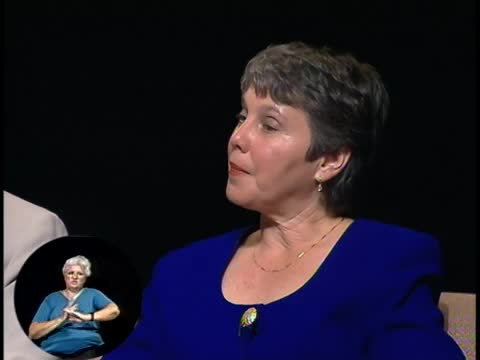
- Transcript
You Dialogue is brought to you by Hawaiian Electric Company, people with a powerful commitment Good evening and welcome to Dialogue, I'm Lynn Waters. Tonight we take on
a sobering topic. The weaknesses in our child protective system that allow cases of child abuse and death to occur. and the weaknesses in our society in general that create conditions for such tragedies to happen. But we will also talk about what we as citizens and members of a larger family can do to better protect our children. With me in the studio tonight is a larger than usual group. They are here for dialogue and they're all very concerned about this issue and we do look forward to hearing their thoughts during the next hour. I'd like to introduce them beginning with Cynthia Tensley who is an attending physician at Kapilani Medical Center for Women and Children's Pediatric Intensive Care Unit. She is a former nurse who received her MD at the University of Hawaii's John A. Burns School of Medicine and an assistant professor of pediatrics there. Sarah Kaskin is Executive Director of the Hawaii State Foster Parents Association which is dedicated to promoting the interests and concerns of foster parents and helping them meet the needs of children placed in foster homes and she herself is a foster parent as well. Stephen Choi is a clinical psychologist and director
of the Kapilani Child Protection Center. He has specialized in the diagnosis and treatment of child maltreatment for the past 18 years. He's a member and former chair of the State Child Welfare Services Council and has served on the governor's child justice, legislative child welfare reform and child death review task forces. State Representative Dennis R. Cockie has shared the House Human Services and Housing Committee for many years and has a long standing interest in this subject. He works as a senior planning analyst for Kapilani Health Systems and he also volunteers in the Family Courts Guardian Ed Lightham program which shepherds children through the court system. You might tell us a little bit more about that later on in the show. He also helped to establish the Kake Kaka which is the legislators committed to children and youth issues. Judy Lynn is Director of the Hawaii Children's Advocacy Centers which is part of the Hawaii State Judiciary. She and her staff provide a statewide coordinated system and serving the legal and therapeutic needs of victims of child abuse and especially child sex abuse. Welcome Judy.
And finally Dr. Susan Chandler is the state official often on the hot seat when high profile child abuse and neglect cases receive the kind of media attention we have seen in recent times. She is a social worker by profession and is currently serving as Governor Ben Coyotano's Director of the State Department of Human Services. She is also on the UH faculty and the School of Social Work. Welcome to all of you. A reminder to our viewers that we are live here on dialogue. Our topic tonight is children in crisis. Who is caring for them and what can we all do? If you have a question or a comment the number to call is 973 1000. Neighbor Island viewers remember you can call us collect and we want to especially thank our phone volunteers this evening from the Oahu Retired Teachers Association. Thank you ladies for joining us and is there a gentleman note? All ladies okay and our sign language interpreter tonight is Loretta McDonald. Dr. Chandler I'll start with you if you don't mind. Are we seeing an increase in these types of abuse and death cases because or is it just that we have seen some
high profile ones in recent times which might lead us to think that we're seeing an increase? Well I certainly think that over the last six months we have seen some very serious cases some of which had been known to the Department of Human Services and some of which have not and whenever you have a case of serious violence or abuse or death certainly it looks like a crisis and it looks like the community wants to find out who is really to blame and what went wrong. We at the Department of Human Services which is responsible for the child protective services system also want to use this as an opportunity. So a tragedy is always painful and it shocks the community and we certainly feel that outrage but it also does bring people together like this group on a Friday night who are willing to share their wisdom and knowledge and hope I think with the community that we can do a better job and we continuously try to do a better job to protect children in Hawaii.
We do have quite a diverse group from state government and the private sector, the court system as well and we're looking forward to hearing from all of you. Briefly can you tell us without quoting statistics are we in Hawaii? How how do we rank with other states in terms of cases like this? Can you make some kind of quantifiable judgment? Well we're in terms of a death of a child who is known to the Department of Human Services that's extremely rare. It's rare in most states. We haven't had this kind of tragedy and I guess the last one was about 12 years ago in terms of numbers of reports and we are pretty much in the middle in terms of the kinds of cases that we take. We do have an neglect law as well as an abuse law, psychological neglect and that some states don't even have that as part of their legislation. So we have I think a very good law that provides a lot of services and a lot of protection to children and but it is a tragedy. Abuse is terrible in any family whether it's domestic violence or child abuse and what we're seeing I think that all of us would
agree is that many of the kinds of violence that we're seeing seems more severe, seems more serious, drug associations and families are even more complicated than what perhaps we saw 10 or 15 years ago. So it's an extraordinarily serious problem and I'm not sure we all have very easy answers but we certainly want to work with the community to make sure that families are getting the supports that they need in their neighborhoods. Hopefully other family members and church groups and community groups and social service agencies all see this as important and need to work to protect children. Let me echo what Dr. Chandler said because I belong to a national committee of state legislators that focuses on the problem of child abuse and neglect and indeed you know they actually look at Hawaii as one of the model states in terms of the law and actual system and in terms of problems you know there are no states in this whole country that really has a perfect system that can you
know protect all children and prevent these type of abuses. I think what is especially troublesome in these cases is it involved reabuse cases these are cases that were known to the child protective services system and I think for a lot of us including many people in the community they felt you know this should not be allowed to happen it could have been prevented and so one of the things that the legislature did in response was to create a round table to look at you know what kinds of reform is needed you know to improve the system so that these reabuses don't occur again. Dr. Stinsley and Choi what what is your interest in this do you treat cases in your professions that are victims of abuse in my case yes I treat the most severe cases so I see where the system at
the worst end of it I see all the children who are injured enough that they wind up in a pediatric intensive care unit so all of the high profile cases were in our care so I see the worst abuse. Same for you Dr. Choi. We actually assist in diagnosing the risk factors in child abuse and neglect and we try and see what we can do to prevent further abuse and so of course when weird abuse occurs we're very concerned at our side and we try and look at some of the areas that we need to relook at. Have either of you seen any recent trends or increasing cases of abuse or has have the numbers remained fairly stagnant what are your observations. My case again which is only I see a small portion of it so I can't speak for the whole system and all children who are abused but in the pediatric intensive care unit we have I've been keeping all the statistics in our hospital of all the children who admitted those who are abused and other illnesses. The amount of cases has increased ever since I started keeping the data
when I first when I first started keeping them we had won that year it's been increasing yearly and the most disconcerting part about it is the children are getting younger they're more predominantly under one year of age and the severity these injuries are increasing and the number of deaths have increased in our pediatric intensive care unit. How about you Dr. Joyce? I think that the cases that come up right now is very high profile cases but in reality about three years ago we came to the legislature and we're very concerned about the high incident of reabuse cases at that time actually was an all -time high in our hospital it was about a hundred cases that came back in a very serious abuse at that time the department of human services with Susan sat down together and with the legislatures and looked at different ways of working on this problem and in actuality the number of serious abuse cases did go down during the last three years in the last few months though there has been a dramatic increase in just a number of cases all at one time. Judy or Sarah you work with families you
work with children any observations that you'd like to share. I'd like to piggyback on something Steve referred to at the time Steve was keeping statistics he noticed that the number of cases of serious reabuse in the hospital had doubled and during that period the amount of money allocated for treatment services and for social workers had gone down and when we went to the legislature and Senator Representative Aracocchi remember this we showed them what it cost in hospital bills the savings and social workers and treatment monies on one side and then what it cost and the increased hospital bills let alone the human suffering for children who might never recover and when the legislature replaced the positions and the treatment funds the numbers were cut back and half again to the national norm so there was a direct correlation that we were able to show between cutting services cutting staff and an increase in child abuse and then when it was replaced went back down
to the level it had been so it was very dramatic and I think as from the foster parent perspective when we look at the children that are in our home and the decisions that are made it goes without saying that social workers are overworked and there aren't enough social workers there's not enough training there's not perhaps enough accountability and as we see families that are having more and more challenges that they're being faced with I think it's important that we use the recent high profile cases as an opportunity to maybe step back and look at how we do decision making when we prepare to return children to their homes and if there are the the safeguards in place for allowing social workers and the other decision makers in the case including foster parents who often aren't recognized for the wisdom that they can
actually bring to the case because of the fact that they are caring for this child on a daily basis and they interface with nearly everybody that's involved in the life of the child so that they can step back and say have all these risk factors been addressed so that this child can safely be returned home. You'd like to add one point if I may to put this perhaps a little bit of context of course we do get focused on the serious reabuse which is the tragedy we have over a year about 5 ,000 cases that are brought into the Department of Human Services about 2 ,500 of them are what we call confirmed which means that there really was evidence of abuser neglect and in the vast vast vast majority of those cases the children are successfully protected. Services are brought into the home the children remain in the home or if a child is taken out of the home services are provided and then the child is most often returned to the home safely. Some children may never
be able to be returned to the home and a parental rights may be terminated and a child then goes into foster care or eventually adoption so I think it is always a difficult decision and certainly every Department of Human Services can improve its training and can improve its learning about how to do a better job in assessing cases but we used to have the statistic about 1990 where we took children more often than any other state because that had been another high profile case a long time ago and now I think we had moved as most states did into trying to bring children back into their homes quickly certainly safely but quickly and now I think we want to make sure that that balance is as accurate as possible certainly children do best in a family environment when they know the people that care for them and and love them and we do need to learn ways to improve our assessment skills and certainly the thing that we've heard very much over and over again in the Child Protective Service Roundtable is that we need to be more clear about what we're doing and how we're doing it
and listen to as many experts as there possibly can be whether foster parents or family other family members or legislators or doctors or psychologists and social workers and all of them have a very important part to play. Let me remind our viewers that we are live we're talking about child abuse and what we as a community can do to get rid of it basically that would be wonderful the number if you have a question or comment is 973 1000 you both bring up good points what is the goal of the system is it to unite the child with the family or is it to protect the child and let me just read it excerpt from a newspaper article in the aftermath of the Rubin Buen Tipo case Rubin's doctors said they were shocked to learn that a report from a team of physicians and other child welfare experts known as multidisciplinary teams had not been passed on to the judge who decided to reunite him with his mother the team moved by Rubin's repeated abuse had urged the state to take the boy away from his mother permanently but the social worker in the case disagreed and recommended that the mother be given custody what's the goal here you said it used to be to try to protect the child and then we move towards reuniting the
child has always been to protect the child the goal of every child protective service agency and every status to protect the child I think historically there have been swings back and forth the latest federal law was talking about family reunification family support and family preservation so there was incentives to keep the children in the homes if safely if possible and also provide lots of services to the home and there was a lot of evidence that that was working very well that rather than taking a child out and putting the child in a facility or in a group home or if what used to be called stranger care that it was better to keep a child in the home certainly safety is always the goal I think what we are now being challenged to look at again is whether or not we have all the information that gives us the best decision and we always respect the information that we get from the multidisciplinary team there are a variety of consultants who provide lots of information one of the things that because of confidentiality and a variety of other constraints you
can't explain to the public is that it's not just the multidisciplinary team or any one psychologist who says do this you have teachers who say do that and you have another psychologist who says how about this how about that so it's never that you have one worker who's just violating all the information and putting somebody in a in a situation that they feel is harmful that's never what what the goal is the goal is always safety and always security and always permanency other thoughts about how the system is working I just want to respond by saying that you know I agree with Dr. Chandler you know child abuse and neglect and CPS is not it's not an exact exact science however I can recall the discussion that did occur when a lot of these federal initiatives came down and I think there was a bias towards returning the child to the home a lot of it had to do it you know the financial incentives to the states the other thing is I think there was also a movement on the part of the courts to move these cases a lot more quickly to resolve you know whether the child
was going to be in foster care or in permanent custody or adoption or be returned to the home and I think sort of this rush created some problems in itself any other comments I think that's probably one of the most apparent thing what's happening is that 15 years ago we had time to do these evaluations look at what's happening with the child we're asked and the social workers sometimes ask within one or two days to come up with a decision whether a child should be returned home or not and that frankly is too short of a time to make that kind of critical decision and what I'm pushing is really to spend the time to make some this important decision to really spend that time to look at do a thorough evaluation and there I do not believe that we should take kids out when it's not needed but at the same time we cannot do the evaluations that quickly and the child may need to be in foster care for a while agreements disagreements I think the other problem with the rush and the timelines
is that a lot of these most serious cases are young children as Dr. Tensley said his parents have serious drug problems and the drug problems nowadays are even more difficult and complex than when I got into social work 25 years ago the problem is we don't have the drug treatment programs for everyone and even if we did drug treatment takes a long time many of these parents who are using their children were themselves abused they have an awful lot of needs and you can have a arbitrary timeline from beginning to end of 12 months but if it takes six months to get a parent into treatment and they're not ready at the end of another six months to have their child is it fair to really to the child to lose their family because of some arbitrary timelines so I think it's very complicated I think also though in our experience the arbitrary timelines aren't what have gotten in the way of the sort of wise decisions that social workers want to be able to
make the the two days is often just at that initial when they come into the system but if we look back at for example the recent cases those were decisions to return that were made over a long period of time but I think Judy's quite right that the kind of cases that we're getting today the the challenges that the families are facing and the the the drug problems and the challenges of the children are facing even for foster parents we're advocating for better training in more supports because it's not it's not the same as it was years ago where a traditional parent could take a foster child in and do a very good job parenting that child we need it's a different kind of job than it used to be we were talking about child abuse and neglect and we are like her on dialogue with a panel of experts so if you have a question or comment that you would like to share please call us at 973 1000 Dr. Tinsley I would assume as a physician this must be terribly frustrating to see these cases come in well they are and it's it's been very painful to have to actually take care of these children and stay in their bedside but I think the thing is is what this program is all
about is the community wants to know did we learn from these tragedies I think that's what everyone really wants to hear from us and I'd like to answer that I think we have I think one of the most important things that came out of this is that the community responded and responded rapidly to some very horrible cases and I would like to believe that they did not die in vain any of the children I took care of so I think the thing that came out of this is we found out that there were problems in the system that the system was not perfect and that we can correct them and the thing I've been most impressed with was the round table it came very quickly they moved very rapidly representative Eric cocky and I think Senator Susan Chung Oakland should be commended on that they brought together everyone in the community and I think these are the things that make you Hawaii unique is that people really do care about the children and everyone got involved we found there were lots of problems some of them was communications within the departments ourselves that we did not communicate as well as we could have that we did not maximize I think all the services that we do have and put it to good use I think we found that there are administrative problems that we can use to correct them but I also think that we have to challenge the
community to get involved too we can have all the services we can have all the answers in place but if a neighbor is not willing to call and become partners with us then the child doesn't get into the system and so I still want to challenge the community to also get involved and every single one of the cases that I've been involved in a neighbor confessed I was suspicious of something but they never called I just want to say an amen to that because you know the CPS or state government or any kind of government can't be all things to all people and if we can't get the community to be involved and to be concerned then you know our kids are gonna be in trouble but I think one of the problems that we're facing is that the system still remains closed and it's understandable that there's a lot of confidentiality issues that the decisions of the judges and the social workers have to be protected but I think in order for the system to become really strong there's somehow needs to be a way for the community and for relatives and neighbors to be involved in the decision -making and the well -being of that child and right along these lines are this caller
wants to know what can ordinary unofficial people do to help prevent or expose child abuse besides just report it when they see it any thoughts on that subject well I think reporting is they make that sound like that small that is not that is the first step to starting any path and we we cannot get these children on the path to any treatment any services until someone makes that call and so on says someone says something like only make a call the other things I think that representative or a cocky would probably like to talk about they're going to be bills that are going to come up they'll need support for it if ultimately we make the decision that we need more resources our taxpayers going to be willing to pay the taxes for it you know I think we now have identified the problems we also know it takes a whole village and a whole community to solve this problem so are we gonna be willing to put money into it are we gonna be willing to pass your bills are we really going to pay taxpayers money for it too well but I also think that calling CPS is not the first answer and I would I mean this sounds a little bit naive but I would certainly hope that if
people are concerned about other what's going on with children in their neighborhoods that they would talk to the families themselves talk to the children be involved in in in a neighborly way I think if the answer is every time you think something awful is happening down the street you're going to call CPS no system will be able to be that responsive so without not taking responsibility because I think it is the responsibility of the state to certainly preserve and protect children the answer is not going to be to just keep hoping that every time anybody is worried about something that CPS will answer that's not what you're suggesting but sometimes I mean it did sort of hear that at the CPS roundtable that people were saying oh I don't know what to do how come I when I call CPS I don't get an answer or I don't get someone to come out and investigate many many calls that we get are not appropriate for CPS I was explaining this to the legislature today one of my own workers unfortunately didn't tell you that in the hearing but it was a CPS a person in child welfare who said that they were very frustrated
by the fact that they couldn't take a case of a child who was throwing a chair around in fourth grade and the teacher called CPS that really is not a child protective service problem it certainly may be a child's problem and there may be an emotional difficulty there may be a learning difficulty and there needs to be some response but a child protective service agency will never be able will never have enough money or enough staff nor would the community really want us to be that interventionist to go in on everything so I hope the community both learns about problems in their community as well as difficulties in the in what a child protective service agent can ever do I would think one of the things that that I would want people to realize is that you know our society here in Hawaii has changed you know we have a lot of families growing up in isolation and I think for those of us who grew up in Hawaii we know that you know we used to grow up in very supportive neighborhoods if it wasn't a relative it was a neighbor you know if your parents didn't correct you they'd be more than willing to correct you and if they
felt something was wrong they you know they tell our parents or they tell us it's not the case anyway right and I think you know especially vulnerable people should realize are the the kids who are from zero to five because most of them are not in school they're not seen by anyone else but their parents and I think people need to especially look out for this age group to make sure that these kids are growing up in a safe environment now what let's let's back up to some basics what should people look for if they do see what are the signs of abuse and if you do observe them what should you do who can handle that for us well I think that you need to you really expect that especially the younger younger ages you're not going to see the outward signs of abuse just on the daily kind of things really the stress levels of the parents are going to be most apparent and what Susan said I think is very true it's really the mother -in -law the mother the father that's going to be able to see it way before anyone else especially from the zero to five level and they're going to have to be
the ones are intervened to say do you need some help can I take this baby off your hand that's probably the best way to do it the order children yes you're gonna see some of the more obvious things like bruises and some of the depression or not wanting to play with other kids those are signs of abuse and if you do observe these and the family is not addressing them you should call child protective services is that the first yes I want to be clear that if anybody believes that a child is being abused or if someone sees abuse that is our responsibility and we're not sure came from that responsibility but I guess I I agree with Dr. Choi that many times people feel that gee there's something funny in the neighborhood down you know a couple houses down I hear the baby crying a lot you know rather than calling the police or calling child protective service you could knock on the door with a casserole I mean we're not that unfriendly anymore in the state and I hope people remember that a lot of support can happen informally a lot does happen informally in neighborhoods thank heaven but I worry when we
have these high profile cases and then lots of attention goes to child protective service and the answer is fix it it it it it's a very complicated problem and it's a problem in all of our neighborhoods we feel of calls that you know say that they reported abuse and nothing's happened if a case is I think one of the questions I've always had is what is considered reportable and if it is something that the fam the person calling still has a lot of concern about and it's something that CPS cannot take on what other real options within the community if if bringing a casserole isn't going to do the job where else should they turn we have a purchase of service contract now with the private sector agency that does a lot of diversion so that we refer to another agency and that agency does do the outreach and does do the assessment to determine whether or not a family in a somewhat less if the situation is not so severe that
child protective service would take it and I think we need more than more of those kinds of efforts and Judy particularly has been very active in the blueprint for child welfare reform which is looking at that as a reform strategy to have neighborhood places support systems in the community where early kinds of calls can be handled and it may well be it's a department of health activity something like healthy start or one of those kind of early prevention programs where hopefully if you front in the system will have less work to do and they'll be certainly less abuse and less reabuse that would be the goal is that something we're going to see more substantively in our communities of the problems money it's been a process of getting everybody together and saying how can we help these families before it's so serious that they need CPS because it's difficult CPS is so short staff they only take the most serious cases and so we have I think seven different groups in the community statewide that have expressed interest and actually it'll be this month that will be selecting them and then
we'll be working with them to get sufficient money to try private money because there is no state money to try to see if a community -based alternative can work for the cases that haven't reached the level of harm that require the state is a very intrusive agent when a family gets involved with the state it can become a legal situation and you know to the extent that we can help families help themselves in the community I think it's it's a place to start we'll talk more about that but we are going to take a short break right now this is a good time for you to call if you have a question or a comment about what the community can do about child abuse and neglect we'll be right back once again that numbers nine seven three one thousand please stay with us it was an elusive killer that no one could see and no one could stop
there weren't enough caskets to bury its victims it would be the worst epidemic in the nation's history influenza 1918 on the American experience Monday night at nine next time on Nova a silent killer attacks the ring and claims its first human victims he started hallucinating he had very jerky movements past outbreaks offer chilling clues of how it spreads it was clearly being transmitted from person to person by cannibalism is mad cow disease a threat these agents are almost immortal the brain eater Tuesday at 8 p .m welcome back to dialogue I'm Lynn Waters and we are talking about the sobering topic of child abuse and neglect with doctors Chandler
Choi and Tinsley representative Aracocki Judy Lind and Sarah Kaskin once again if you have a question or comment we are live our phone volunteers who are with the Oahu retired teachers association are waiting to take your calls and pass them up to me the numbers nine seven three one thousand and we do appreciate the help of our volunteers tonight our neighbor island viewers remember you can call us collect that same number nine seven three one thousand lots of questions I'll read through several that are along the same things what rent along the same lines what remedies or preventions exist to address the problem of adults being falsely accused panel's discussion seems to be one -sided as if parents are the guilty one what are they doing to address unintended consequences of parents being investigated for simply spanking their children what is the legislature doing to ensure that parents rights are protected when the charge of child abuse is false and may not be true how about those situations that's a good questions you know actually we receive a lot of you know when we started the roundtable we did receive a lot of inquiries a lot of
stories about parents who were falsely accused and several of them actually participated on in the roundtable discussion and I think one of the things we did want to make sure is that in our fervor to protect children we didn't want to cross the line and say well you know parents are always wrong because we know that's not the case and that's another reason why it's necessary to have a good investigation and if the department is and the child protective services system is not prepared or doesn't have the right kind of tools to conduct a proper investigation I think you know it really damages the family you know on the other hand I think we if we do err we need to err on the side of safety for the children and you know it's unfortunate when you know parents do get caught up in these false accusations but hopefully and that's another issue of confidentiality as
well because you know that's the reason why the system is closed but you know that's what makes it such a difficult problem to solve any other thoughts on this issue I have a feeling though that if um again kind of front loading if the social workers had the the training that they really needed in the time to make those assessments then some of these kind of questions wouldn't be being asked and until we sort of rather than kind of change everything else but not look at the basic core issues uh we have to be able to do a good assessment the social workers have to have the training and have to be provided with the time and we need to do the put the money there now um I think we're going to continue and have these kind of problems you know in 1986 there were a lot of concerns about false accusations and sex abuse and the legislature created the Children's Advocacy Centers and put them under the judiciary so that it would be a fair process to everyone we're now in 1998 and you don't hear the same concerns about false accusations and I think in sex abuse
cases and I think we need to learn from that we put together a really coordinated system with really good training we've put a lot of money and effort into training we put a lot of effort into making sure the people worked well together and the 1986 concerns to a very great extent are no longer with us in sex abuse and I think we need to take some of those lessons learned to now apply them to other types of abuse several questions about the relation of drug abuse and use to child abuse the root of the problem this caller says seems to be drug use what can be done to take care of the root of the problem this caller says when there are any signs of abuse or drugs in the family why not take the child away from the family right away you mentioned drugs as a recurring theme that you see in the cases that you treat and I know this is a huge problem but who would like to respond to those comments in terms of prevention I think that this is a huge problem when I'm hearing
over and over again is that there's less and less programs available the time that people spend in them are getting shorter and shorter and in the really severe cases my experience has been as drugs has always been a big part of it and what I found over the years is the types of drugs that they're taking lead to more violent activity you know when the past we had more problems with people taking marijuana and heroin and now we're moving to crystal meth and cocaine and the behavior of people who are on those drugs are much more violent I think we have to recognize that that is a problem and then again we have to be willing to put in programs that are long term and that people can then be followed I think over a longer term basis than what we have now and again money is a real problem for that and yet we're hearing more and more that cuts are going to be made and social programs are going to be on the chopping block which is what you're talking about and we're going to put money towards the prison and we're going to build prisons that's our next dialogue topic by the way did you know that I think they did a study and a hundred percent
of men incarcerated at O triple C had been abuse as children doesn't that tell us something why don't we gonna learn well the other issue I think there was a bill today actually that was heard in Susanne Chan Oakland's committee that there should be random drug testing of all pregnant women and that if there's a positive toxicology report then the child should be taken and the woman should go into treatment and again that that may be sort of a goal that there shouldn't be drug exposed children but it really isn't very practical I mean I read a study recently where one third of women who are tested for drugs having babies have some drug exposure now maybe alcohol and marijuana it doesn't have to be heroin or crack or or something but I mean there's a tremendous amount of drugs in the society so there again I don't think the answer is anytime you see drugs you take the child away we have to look at the school systems and teach people not to use drugs and we have to front front load the system way down there if we're going to begin to really handle the drug abuse problem I don't think we can kind of tie it up I don't think anyone would really
want a third of the children being born to be taken away from their families and put into a fostered situation one of the most effective programs we do have it's called Healthy Start and it's one of the most effective prevention and intervention programs that we have in fact it's nationally recognized and they look at some of the risk behaviors not not only substance abuse but also other things you know anti -social behavior but again you know as great as these programs are and it's cost -effective as you are you know those are the first programs that get cut and so I think when people ask what can be done I think you know we need to have people who are willing to come on and say you know let's keep these programs and prevent some of the damages that occur down the line with our children well without getting too political there are no cut there have not they could have quoted on it there have not been cuts to Healthy Start I know there was a rumor that somehow you know 12 million dollars was going to be taken away
from the Department of Health and Healthy Start was on the chopping block but that hasn't happened the Department of Health doesn't want that to happen the governor doesn't want that to happen certainly human services doesn't want that to happen and even in this round of budget reductions in the governor's message to the legislature nothing is being taken out of our child welfare budget so there certainly need to be reductions because the government is too large right now but I think we are certainly concerned in this administration with children and want to ensure that the safety net is there for children on a positive note this caller says I'm very interested in volunteering to assist in preventing child abuse I have called several state agencies but no response is there a comprehensive umbrella agency where I can call to get a response who all who works with volunteers here and where should they call I was going to say one of the wonderful things that I've learned in my in my work in the with the foster parent association is that there are a lot of people out there who say you know I don't really want to be a foster parent but I want to help and we've had some wonderful people with marvelous skills in bookkeeping and database
that come in and just volunteer and I'm sure that that Judy's seen that in in her organization they they can call me okay where would they call you let me see two six three zero nine two zero and the name of your organization the Hawaii State Foster Parents Association there's also the volunteer information referral service which is in the phone book and it's true and they accept volunteers and help match them with a variety of child abuse groups volunteer information referral service listed in the phone book so if you want to volunteer you can call them and tell them what you're interested in they will put you in touch with the right person they mentioned a couple of programs first of all there's prevent child abuse Hawaii and they can call Chuck Braden and they're listed in the phone book the legislature also created the Children's Trust Fund and the focus is on prevention and here there's an opportunity to apply for grants to develop programs and any agency or group who
wants to propose these programs can apply to the Hawaii Community Foundation with a proposal okay lots of collars on if a person observes abuse and what are the signs and we talked about it briefly but let's just cover that again this situation collar has a neighbor who seems quote to be abusing her child about a year old child is left to cry three hours or more left alone called all sorts of names should she report the parent and if so to whom what do you do when you know a child is being abused how can you tell when a child is being abused or if you only have a feeling about it once again what are the signs and what should you do if you observe them I think if if you hear a child crying or you know that a child is being left alone or you see a child being hit or you observe a child in a playground and you know who the parents are and and the child is Dr. Choi was saying is somewhat older and has bruises those are appropriate calls to call the
child protective service agency and I think we will they do a kind of assessment over the telephone to you know hear what the concerns are and then we will go out and investigate and again I think it does have to be in some amount of balance with whether or not the child really did fall off in a tricycle and again you don't want the police state coming in if a child fell off and has bruised knees and somebody thinks that's abuse so it has to be weighed carefully but those are the kinds of worry signs that I think someone should act on and call our department if a person reports child abuse will the caller's name be kept confidential yes yes yes everybody's nodding yes when a child is placed in protective custody who decides where he or she is to be placed is that person who takes custody of the child required to be licensed Sarah can you answer that for us well taking custody of the child is actually different from a foster that's a big old terminology right a social worker goes to the home sometimes accompanied by a police officer and then if they there's an emergency
way that a child can be taken from the home but I think what they're talking about is temporary foster custody where actually the department of human services temporarily takes custody of the child but then we physically would put the child into a licensed foster home say for 48 hours or 72 hours to determine what would be best for the child and whether the child could be returned home all of the people who do that initial investigation are in our department and they have been trained and I don't know whether they mean licensed in the terms of licensed social workers that's not required but certainly trained social worker is required and they are under supervision and then all of that is reviewed by the court and the court then assists the department in making its decision the other part that is licensed is that the foster homes are licensed and that we have licensing staff that works with the family the foster family and looks at the home to make sure that the physically the family is safe and that there's enough you know bedroom space and fire and all that fire prevention and all that as well as the capacity of the family to care for the child but it is the
the case that very often because there are not enough foster homes and because decisions are having to be made quickly that children are placed in special licensed homes which are just given a cursory look and then the child's placed in what was previously not a licensed home and that's usually a relative or someone the family knows I think it's time to make a pitch we had a lot of questions about how the community can help and Sarah just said we don't have enough foster homes and we really truly need people to come forward and be willing to take children into their home so we can do a better job of matching when you when you don't have enough foster homes you just place a child where there's a bed and that's not fair to the child it's not fair to the family so if people really want to help and they have the ability to share their their family that's the probably one of the most crying needs in the state and actually that's an area where we are we have volunteers some volunteers from Judy's board are
working with the Department of Human Services to both help recruit in the community for more foster homes because some of the foster homes are not near where the children live and so you have kind of clumps of foster homes in the areas where you don't have any and we think it's best to keep a child in the neighborhood if they go to the same schools or church or play in the same soccer team so that you're not putting a child from wine I in in Kahaloo and so it's very important to have sufficient foster homes of which we don't right now and also the matching is very important that you really want to make sure that the family is right for that child and vice versa that's a good thing to volunteer for okay there's your pitch I hope some potential foster parents are listening out there comment once a child has been severely abused sexually or physically that parent has lost the right to have that child again that's that person's opinion and this caller says we need a death penalty for child abuse on a positive note are there any programs available for new parents to help them cope with and handle stressful situations this caller is looking for preventive programs where can this person
go that's a good question again I mentioned healthy start but that's basically for you know what they call families at risk and actually if I were to look at how we can prevent child abuse you know positive parenting would probably be one of the best steps you know and we we teach our kids in school all kinds of things but somehow we never get to one of the real basic skills that they need to have and that's parenting and when you think about how much it cost as opposed to how much it costs you know for a bad parent I don't see why we don't make that investment well there are several private sector agencies that do parenting classes now that families have to pay for them they're not free I don't know whether the Department of Health has that program anymore but I know child and family service has one and I think Catholic charities has one as well so there again the information line would be able to give specific ones and in which communities but the parents have to make that commitment
to the time and and some dollars I think to get that training I think yes 2000 could probably give information on parenting classes good sources of information also support programs like baby who is that where the parents can get together and and get support from one another yeah they have listings in the news baby really the classified families for baby there's a lot of programs that don't cost and I think I'm sure Kapilani has some parenting classes as well yeah if you can just call the main number at Kapilani Medical Center and ask for that how do you become a foster parent how much is paid to offset the additional costs what's the procedure here well there's the there's the procedure as the as the books have it and there's the procedure as it happens which isn't always the same thing within the Department of Human Services folks call the Department of Human Services and begin a process that we would like to to advocate to make a little less tedious and a little more useful in terms of the training that's provided for them
but but basically you know that's I mean that's how you that's how you started off well you applied to become a foster parent and there we know and it certainly can be more user friendly than it is there is training that's provided for foster families and then they are assessed and eventually licensed I believe it's five hundred and twenty seven dollars a month now four five twenty nine is five twenty nine five hundred and twenty nine dollars is the board payment but we're all aware that foster parents are not in this for the five hundred and twenty nine dollars they're in it for the commitment to to provide support for children okay you should be mentioned to that there's for those who are willing to make a greater commitment there's also an opportunity for adoption and to the credit of the Department there has been a lot more adoptions I think in the recently this caller says I'm 50 years old and I think we need prohibition again to bring sanity to our society alcohol and drugs bring dysfunctional families which bring about abuse caller may have a comment there
what does the panel think about where government should stop spending we have talked about the need for preventive programs but for every dollar that's available there are ten people clamoring for that dollar so what are the priorities here what what makes it very difficult is you know when we look at the spending for the state a lot of the costs are fixed costs and you know I mean we have our entire teachers here a lot of the benefits that are paid out that are fixed costs are benefits to retirees and as well as benefits to the employees so those are areas that we really can't cut the other fixed costs is debt service for government so unfortunately you know where they look to cut are what they call the soft areas which are usually health and human services programs and they're the ones that suffer when when we're in an economic crunch like how we are I think that's where the answer comes where we have to have partnership with the
communities along with government there's a lot of neighborhoods I'm sure that people could get together churches and things who could adopt a family and crisis there's a lot of the children I seen who come into the unit who are extremely isolated a lot of people have been asking questions about how do you recognize child abuse I think to recognize that you have to understand the risk factors some of the biggest risk factors again are families who are in isolation families who have financial problems people who are stressed out because they're separated from all their support groups and if you eliminate those things you eliminate a lot of the problems that lead to stress that leads to the situation that leads to child abuse so I think that and drugs are a big problem so I think if we as a community become partners with our government I think we'll see solutions and we can't always look just to the government to solve all of our problems either we as a community our churches could get involved and volunteer to take on a family at risk and we know there's plenty out there that we could then donate to them very easily so I think the challenge again becomes again that it's going to be a community effort if we really want to make a difference in this this caller feels
panel members are presenting generalities not providing specific solutions we've talked a little bit about specifics caller would like to hear more about specific solutions to the problems of child abuse neglect any other organizations or efforts going on here that we haven't touched on that you folks would like to let the viewers know about well one of the things that Susan referred to was we have a nonprofit partner Dr. Chinsley talking about the community these are people who get involved and provide actual services to sexually abuse kids self -esteem programs through the junior league they provide funds for kids to participate in sporting teams to take Hula lessons to go to school events these are these are things that all kids need but when they lose when they become part of the system often that the resources aren't there and so I think to that we just had a group volunteer to teach foster children how to sail we have different groups who come in and offer to help these kids develop self -esteem and to have the experiences other children have and I think it's a wonderful thing and
governments never going to provide that to the community can and once again there's a good resource in the phone book the volunteer information referral service listed in the book if you are interested in volunteering or maybe starting an organization in your community you can call that number and see if there's there's some resources that can help you get started and the ask 2000 line is more for reporting cases probably or wanting more information about existing programs prevention type programs representative are a cocky why doesn't the legislature pass a law to make child abuse a felony this caller feels that people should be punished more severely for child abuse well again we've had proposals such as that in fact we are considering us more severe penalties I think with Dr. Chandler mentioned you know it's really important for us to recognize a family as probably the best environment for the child to be growing up in and I think it's important I agree with her that if if the situation can be
remedied if it can be fixed then it's best to have that child grew up in a nurturing biological family but for those I think who do really cause a lot of harm to our children I really would like to see more severe penalties for those especially you know in cases where the child ends up in a coma or die you know it's really hard to accept those kinds of situations are there any pending bills that would address what you're talking about that you know of the session not not specifically no the new federal law there's a new piece of legislation called safe families environment act I believe that passed in October federally that moves towards a termination of parental rights if there have been a serious abuse of another child of a sibling and if there's certain kind of abuse like a torture as opposed to just you know an
emotional beating or something if we can horrible term but there are pieces of the federal legislation that I think eventually our state will examine and explore and so it's not so much cranking up the penalties as it is again to sort of move quickly when a family cannot provide and is not providing a safe environment for a child so that the child is is moved to a safe environment we have about 1700 children living in foster families now so it's not like there aren't a lot of families now foster families now caring for for children and children already taken away from from families but also I also think it's important to note that there's just very few cases that we talk about that we're talking about torture or you have someone who has extreme cases the majority of the cases in fact for the 18 years that I'm not can almost count on my fingers of those types of cases the majority of the cases parents do really care for their kids are under extreme distress and they lose it and if we say anyone could could
possibly get to that situation there is some reality to that well I think if there's one thing we've heard tonight it's that it's more incumbent on the private sector in the community to get involved and shoulder some of these responsibilities and not look toward government to continue providing unlimited resources believe it or not we're out of time there's a lot more that we could talk about but we are out of time and certainly because of the importance of this issue we will follow up with another dialogue on the same topic maybe at the end of the legislative session we'll get you folks back here to see what the outcome is if you would like to send us your questions or comments for that or any other dialogue show our email address is dialogue at kgt .pbs .org and I would very much like to thank representative Dennis Aracaki Sarah Caskin Judy Lind Drs. Tinsley Choi and Chandler for being here tonight I don't think I've ever had six people on dialogue in my life I already had to do any work and certainly thank you to our phone volunteers the Oahu Retired Teachers Association and most of all thank you for watching until next time I'm Lynn Waters wishing you a good weekend from dialogue take care
to Dialogue is brought to you by Hawaiian Electric Company, people with a powerful commitment.
Child abuse is too much with us. Every day it seems we read of beaten and neglected children ill -treated by parents too young, too addicted, or too unstable to parent. The effects on children can be devastating, from lifelong psychological scars to death itself. What should we, as friends, neighbors and relatives do when we suspect child abuse? What can society do to protect Hawaii's children in crisis? We'll address these questions and more on a dialogue on child abuse and neglect Friday night at 8. I'll get an old buddy. Child abuse is too much with us. Every day it seems we read of beaten and neglected
children. Ill -treated by parents too young, too addicted, or too unstable to parent. The effects on children can be devastating, from lifelong psychological scars to death itself. What should we, as friends, neighbors and relatives do when we suspect child abuse? What can society do to protect Hawaii's children in crisis? We'll address these questions and more on a dialogue on child abuse and neglect tonight at 8.
- Series
- Dialog
- Producing Organization
- KHET
- Contributing Organization
- PBS Hawaii (Honolulu, Hawaii)
- 'Ulu'ulu: The Henry Ku'ualoha Guigni Moving Image Archive of Hawai'i (Kapolei, Hawaii)
- AAPB ID
- cpb-aacip-225-18dfn4p6
If you have more information about this item than what is given here, or if you have concerns about this record, we want to know! Contact us, indicating the AAPB ID (cpb-aacip-225-18dfn4p6).
- Description
- Episode Description
- Moderator: Lynne Waters, Guests: Rep. DENNIS ARAKAKI, Chair, Human Services & Housing, SUSAN CHANDLER, PhD, Director, Department of Human Services, SARA CASKEN, Executive Director, Hawaii Foster Parents Association, CYNTHIA TINSLEY, MD, Kapiolani Medical Center for Women & Children, STEVEN CHOY, PhD, Kapiolani Child Protection Center, JUDITH LIND, Director, Childrens' Advocacy Center
- Copyright Date
- 1998
- Asset type
- Episode
- Topics
- Public Affairs
- Rights
- Copyright, 1998
- Media type
- Moving Image
- Duration
- 01:02:32;15
- Credits
-
-
Director: Ed Robello
Producing Organization: KHET
- AAPB Contributor Holdings
-
PBS Hawaii (KHET)
Identifier: cpb-aacip-e460bc0248f (Filename)
Format: Betacam: SP
Generation: Master
Duration: 00:59:00
-
'Ulu'ulu: The Henry Ku'ualoha Guigni Moving Image Archive of Hawai'i
Identifier: cpb-aacip-f01087f6993 (Filename)
Format: Betacam: SP
If you have a copy of this asset and would like us to add it to our catalog, please contact us.
- Citations
- Chicago: “Dialog; Children in Crisis: Abuse and Neglect,” 1998, PBS Hawaii, 'Ulu'ulu: The Henry Ku'ualoha Guigni Moving Image Archive of Hawai'i, American Archive of Public Broadcasting (GBH and the Library of Congress), Boston, MA and Washington, DC, accessed March 4, 2026, http://americanarchive.org/catalog/cpb-aacip-225-18dfn4p6.
- MLA: “Dialog; Children in Crisis: Abuse and Neglect.” 1998. PBS Hawaii, 'Ulu'ulu: The Henry Ku'ualoha Guigni Moving Image Archive of Hawai'i, American Archive of Public Broadcasting (GBH and the Library of Congress), Boston, MA and Washington, DC. Web. March 4, 2026. <http://americanarchive.org/catalog/cpb-aacip-225-18dfn4p6>.
- APA: Dialog; Children in Crisis: Abuse and Neglect. Boston, MA: PBS Hawaii, 'Ulu'ulu: The Henry Ku'ualoha Guigni Moving Image Archive of Hawai'i, American Archive of Public Broadcasting (GBH and the Library of Congress), Boston, MA and Washington, DC. Retrieved from http://americanarchive.org/catalog/cpb-aacip-225-18dfn4p6