Black Horizons; 3010; Umoja Project
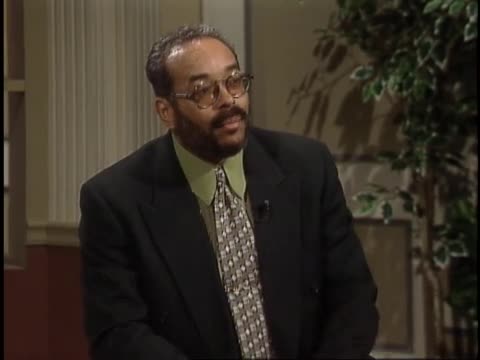
- Transcript
I hope you enjoyed this video, and I hope you enjoyed this video, and I hope you enjoyed this video, and I hope you enjoyed this video, and I hope you enjoyed this video, and I hope you enjoyed this video, and I hope you enjoyed this video, and I hope you enjoyed this video, and I hope you enjoyed this video, and I hope you enjoyed this video, and I hope you enjoyed this video, and I hope you enjoyed this video, and I hope you enjoyed this video, and I hope you enjoyed this video, and I hope you enjoyed this video, and I hope you enjoyed this video, and I hope you enjoyed this video, and I hope you enjoyed this video, and I hope you enjoyed this video, and I hope you enjoyed this video, and I hope you enjoyed this video, and I hope you enjoyed this video, and I hope you enjoyed this video, and I hope you enjoyed this video, and I hope you enjoyed this video, and I hope you enjoyed this video, and I hope you enjoyed this video, and I hope you enjoyed this video, and I hope you enjoyed this video, and I hope you enjoyed this video, and I hope you enjoyed this video, and I hope you enjoyed this video, and I hope you enjoyed this video, and I hope you enjoyed this video, and I hope you enjoyed this video, and I hope you enjoyed this video, and I hope you enjoyed this video, and I hope you enjoyed this video, and I hope you enjoyed this video, and I hope you enjoyed this video, and I hope you enjoyed this video, and I hope you enjoyed this video, and I hope you enjoyed this video, and I hope you enjoyed this video, and I hope you enjoyed this video, and I hope you enjoyed this video, and I hope you enjoyed this video, and I hope you enjoyed this video, and I hope you enjoyed this video, and I hope you enjoyed this video, and I hope you enjoyed this video, and I hope you enjoyed this video, and I hope you enjoyed this video, and I hope you enjoyed this video, and I hope you enjoyed this video, and I hope you enjoyed this video, and I hope you enjoyed this video, and I hope you enjoyed this video, and I hope you enjoyed this video, and I hope you enjoyed this video, and I hope you enjoyed this video, and I hope you enjoyed this video, and I hope you enjoyed this video, and I hope you enjoyed this video, and I hope you enjoyed this video, and I hope you enjoyed this video, and I hope you enjoyed this video, and I hope you enjoyed this video, and I hope you enjoyed this video, and I hope you enjoyed this video, and I hope you enjoyed this video, and I hope you enjoyed this video, and I hope you enjoyed this video, and I hope you enjoyed this video, and I hope you enjoyed this video, and I hope you enjoyed this video, and I hope you enjoyed this video, and I hope you enjoyed this video, and I hope you enjoyed this video, and I hope you enjoyed this video, and I hope you enjoyed this video, and I hope you enjoyed this video, and I hope you enjoyed this video, and I hope you enjoyed this video, and I hope you enjoyed this video, and I hope you enjoyed this video, and I
hope you enjoyed this video I hope you enjoyed this video, and I hope you enjoyed this video, and I hope you enjoyed this video, and I hope you enjoyed this video, and I hope you enjoyed this video, and I hope you enjoyed this video, and I hope you enjoyed this video, and I hope you enjoyed this video, and I hope you enjoyed this video, and I hope you enjoyed this video, and I hope you enjoyed this video, and I hope you enjoyed this video, and I hope you enjoyed this video, and I hope you enjoyed this video, and I hope you enjoyed this video, and I hope you enjoyed this video, and I hope you enjoyed this video, and I hope you enjoyed this video, and I hope you enjoyed this video, and I hope extremely, and I hope you'll enjoy this video. Tell me about this program, this is new, this is exciting, it's an opportunity for diversity and culture and so much more, right? Absolutely, Chris. Project Aussie originated from a stem of performances in which Emoja conducted last year, Africa Shout Voyage. And we found that
after conducting the performances, various schools and students were very excited about how can we take this one step further and receive the benefits of Emoja African Arts Company. So a Lee and I contacted Stan Denton and inquired about the interest of the students of the schools that participated in going into the schools and conducting workshops and residencies, which we'd have African dance, visual arts, such as mass making, as well as African music. Dr. Denton, I imagine so many ideas come over the transom, what did you think when this one landed on your desk? Well, first and foremost, we were just very excited about the prospect of working with such a reputable and quality arts organization as Emoja. Emoja has been working in the Pittsburgh public schools for a number of years and such as the Africa Shout Program that Ms. Long just referred to and we've had a good experience with them. We're now
adopting a standards -based curriculum and one of those standards calls for understanding and appreciating others and so little is understood and so much is misunderstood when it comes to African studies until this is an opportunity to correct some of the wrongs and dispel some of the myths. So you just won't be going to the middle of school where they have a curriculum that's designed to fit in very well with this, you're going to go almost everywhere, I guess, in the district, right? We're looking at this as something that can go district -wide, you know. Mr. Coney, as the artist in the group, how do you feel about being able to have this wider performance venue to take your art and your music and your culture and the heritage and the understanding about Americans and Africans and African -Americans to students in the Pittsburgh public schools? Well, basically the music conception or what the African art basically been around the USA and that's what we're going there to correct. We've been around, as you
said, for a long time and by the problem is this people still don't understand it and the reason is simple because we haven't really explained it yet to our children. When you tell a child that the art or the dance you're doing, it came from Africa, a kid will not relate directly with that. They have to have, you've got to have some other way for a little chain so his kids see how the influence really is based through the dance, through the song, to the rhythm. For him to kind of compare it both and realize that whatever he's doing today, it's not something that they learn only in the recent days but it's been there for many, many years because the African art is the art, I will say, the humanity. Today all over the world, everywhere you go, we are dancing African music, all the museum what they're exposing is basically African music and you know African -American music is all over the world, even in China, everywhere, India, that's what they're playing, aren't beat, reggae, you know blues, jazz, which all those art music is coming from Africa
and that's why we're going to the school to kind of give the kids an understanding of where this life came from. Marlon Russell, I guess those of us in the media take a beating on some of the stereotypes that people commonly believe, I can see the you part of the media being with the Carnegie Museum of Art because you disseminate so much good information that could counteract that kind of stuff. What will the Carnegie's role in all of this be? Well the Museum of Art has a collection of African art that is permanently on view in the museum's galleries and we've collaborated with some Pittsburgh public schools over the years to develop some programs in which students come to the museum to supplement the classroom kinds of activities that they do. And excellent idea. Especially we've had a great relationship with Fort Pitt School in which they've come to the museum several times over the course of one school year the students will come repeatedly and study the objects that we have on view and we've used it especially as a catalyst for creative writing projects and it's culminated in the students writing being presented in the galleries as a little program that they present. That's their response
to the kinds of art that they've seen and the way in which that art touches them as contemporary students in America today and again it links to what Ellie's saying about that heritage. Now is this also part of the soul of Africa exhibitors? Is this something that's going to be an extension of that? Well the Soul of Africa exhibition is an opportunity a spectacular and rare opportunity for us to really present African art in a much grander and much more spectacular way than we can with our permanent collection. The Soul of Africa is a collection of over 200 objects from 48 different African cultural groups that will be on view in the Museum of Art beginning on May 8th and runs through the end of July in the summer. Sounds like a fabulous resource. It's a wonderful resource and we will be doing programs to prepare teachers and students throughout the winter so that they're in a position to really take advantage of these outstanding objects when they're in the Museum. Dr. Dent, will you all be collaborating and working together with the schools and the Museum to make sure that this happens? Certainly, hope so. And that was on the stand
-up point of Womonga. We already participated in the Soul of Africa in New York for example. Soul of Africa is the exhibition you know being on tour in the USA and Pittsburgh is the last city. More than if I was just getting this exhibition before no man again. At least we get it though, right? Okay. It's from the University of Zurich and it's one of the most renowned collections of African art in the world and it's having a very limited run in the United States and Hollywood. It seems odd that it would be from Zurich, I wonder why Zurich? The collection was assembled between 1916 and 1928 by Han Chorae who was a Swiss art dealer and teacher and his collection, which numbered about 2 ,000 objects at one point, was then given to the University of Zurich which has organized the exhibition and circulating it. He probably made many trips to Africa then. And yes, in that time period, African art, his collection was one of the ways in which African art was first recognized in European circles for its aesthetic. So he's done some good
just by doing that. I can imagine some of the stereotypes persisted about African art for a long time. As long, Emoji itself and the performances, how do they receive when you go into schools? Very well, exceptionally well. The students participate not only by hands long but by jumping on a stage, inquiring. It's a practice. It's a practice. Exactly. Often we tend to run over on a lot of our performances and residencies. The principal is looking at you like this. Exactly, we're signaling us. And it's also by, I'd like to add, by collaborating with the Carnegie Museum, the Museum is a viable tool to also reach the African and African American community as well as the Pittsburgh Public Schools. Well, if I want to add what Andrea is talking about and especially what the reason really we thought is valuable to have Miss Denton to help us through this whole project because question like this, if you go to school kids will ask you a simple question like, what are you doing in Africa? Do you have TV? Do you have this? What do you leave? Do
you have animal walking around? And simple because they never understand. It's true. It's true type of justice. Exactly. Exactly. So that's why having Miss Denton with us and Maryland, we think this is. It sounds like it's much more than just performance, in other words. Education first. You know, we're getting there to educate first to, as you say, fight this third type because if a person understands where you are, where you came from, what kind of valuable tool you have to offer in the world and a person who has such a way to look in a different eyes and in the usual. The opportunity for first -hand learning also that you can achieve when you have an actual performance, music, drumming, dancing, and visual arts, original visual arts objects is the kind of learning that really sticks with the learner, regardless of whether the learner is a child or a donor. Because it's interactive. And because you're looking at primary material that you draw your own conclusions from, you compare it to what you already know.
There's something before you that you can ask questions of and help to establish your response to original situations, original material. And Miss Long, a lot of educators are probably watching this program in January. It's going to, you're getting underway this month and you're going to be going all the way through June with the public schools, right? That is correct. How can they get in contact with you? Who should they contact? They should contact me, Andre Long at Amoja African Arts Company and our number is 412 -471 -1121. Would you repeat that, please? Andre Long, Amoja African Arts Company, 412 -471 -1121. And Miss Russell, the exhibit about Africa, the soul of Africa, when is it starting? How long will it run? It opens at the Carnegie Museum of Art on May 8th and runs through July 18th and will have a tremendous array of programming through Amoja and lots of national and international recognized performing in groups and lectures. Okay. Dr. Denton, I'm sure you're looking forward to seeing all the young, bright faces
expand their minds and their learning and destroying a lot of stereotypes in the Pittsburgh public schools, right? Absolutely. This is really the realization of a dream control to see authentic African cultural studies being taught, beginning at the elementary level and moving all the way up to grade 12. As a performer, what is your greatest excitement? Well, we're going to just roll those drums and schools and have those kids jumping and dancing and understanding exactly what the culture of Africa is. Well, it might be time to jump and dance right now then. Thanks for being here. We do appreciate it. Thank you. All right. All
right. All right. All right.
All right.
- Series
- Black Horizons
- Episode Number
- 3010
- Episode
- Umoja Project
- Producing Organization
- WQED (Television station : Pittsburgh, Pa.)
- Contributing Organization
- WQED (Pittsburgh, Pennsylvania)
- AAPB ID
- cpb-aacip-0bd84a7a16f
If you have more information about this item than what is given here, or if you have concerns about this record, we want to know! Contact us, indicating the AAPB ID (cpb-aacip-0bd84a7a16f).
- Description
- Episode Description
- No description available.
- Series Description
- WQED’s Black Horizons was launched in 1968 and was designed to address the concerns of African American audiences. More than just a forum for the community, the series served as a training ground for Black talent in front of and behind the camera. Through the decades, the program featured various hosts and producers until Emmy winning journalist Chris Moore took over the program in the 1980s. He was later joined by Emmy winning producer Minette Seate before the program evolved into WQED’s Horizons in the 2000s.
- Broadcast Date
- 1999-01-15
- Created Date
- 1998-12-15
- Asset type
- Segment
- Topics
- Public Affairs
- Media type
- Moving Image
- Duration
- 00:15:39;28
- Credits
-
-
Producing Organization:
WQED (Television station : Pittsburgh, Pa.)
- AAPB Contributor Holdings
-
WQED-TV
Identifier: cpb-aacip-715be21398d (Filename)
Format: Betacam: SP
If you have a copy of this asset and would like us to add it to our catalog, please contact us.
- Citations
- Chicago: “Black Horizons; 3010; Umoja Project,” 1999-01-15, WQED, American Archive of Public Broadcasting (GBH and the Library of Congress), Boston, MA and Washington, DC, accessed May 31, 2026, http://americanarchive.org/catalog/cpb-aacip-0bd84a7a16f.
- MLA: “Black Horizons; 3010; Umoja Project.” 1999-01-15. WQED, American Archive of Public Broadcasting (GBH and the Library of Congress), Boston, MA and Washington, DC. Web. May 31, 2026. <http://americanarchive.org/catalog/cpb-aacip-0bd84a7a16f>.
- APA: Black Horizons; 3010; Umoja Project. Boston, MA: WQED, American Archive of Public Broadcasting (GBH and the Library of Congress), Boston, MA and Washington, DC. Retrieved from http://americanarchive.org/catalog/cpb-aacip-0bd84a7a16f